What We Are Called Out For
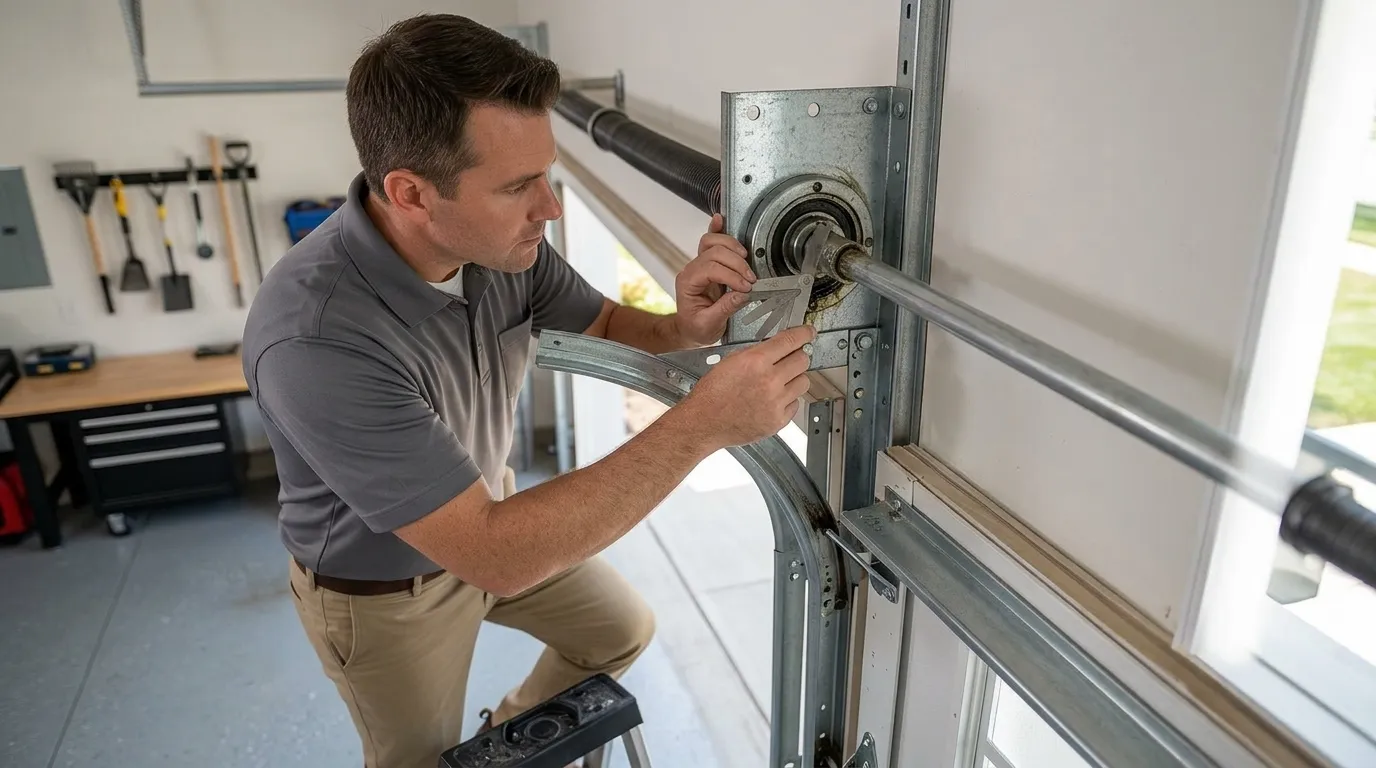
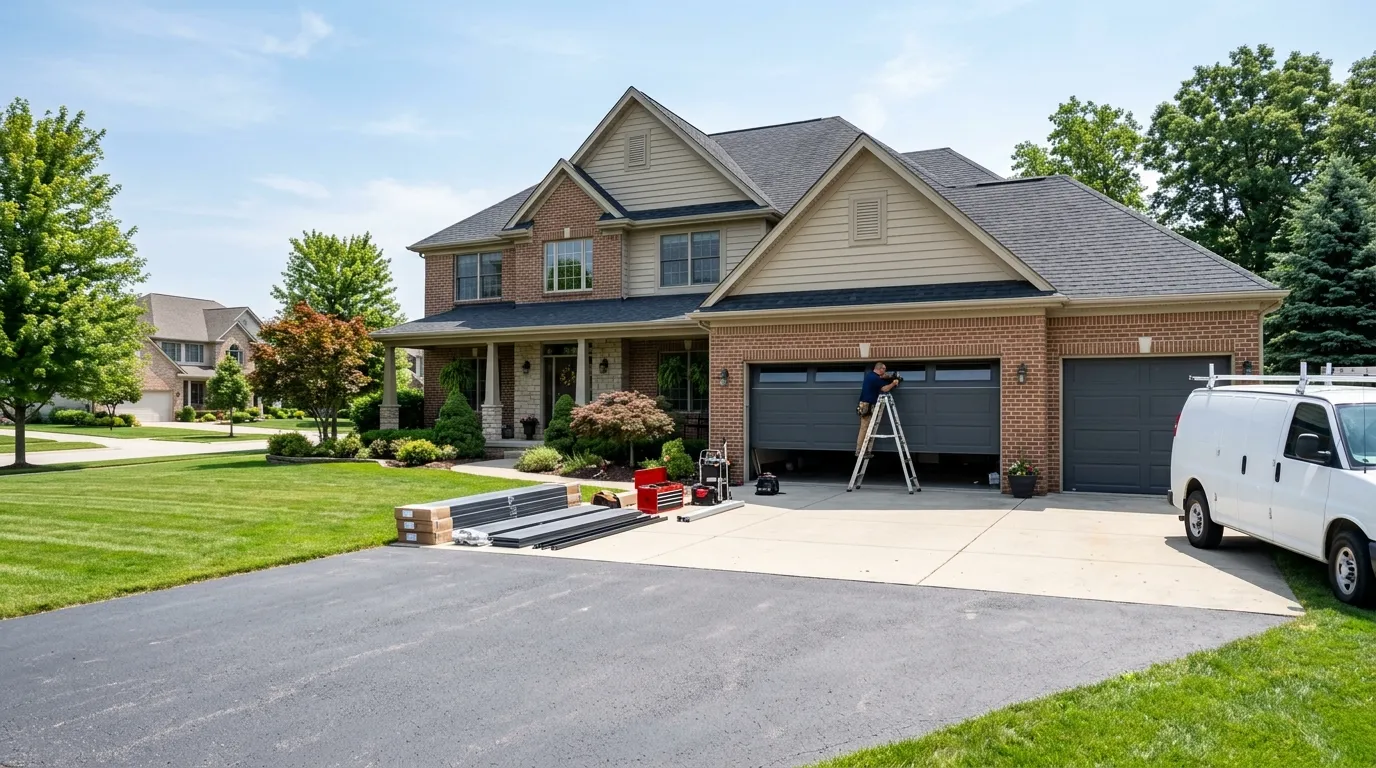
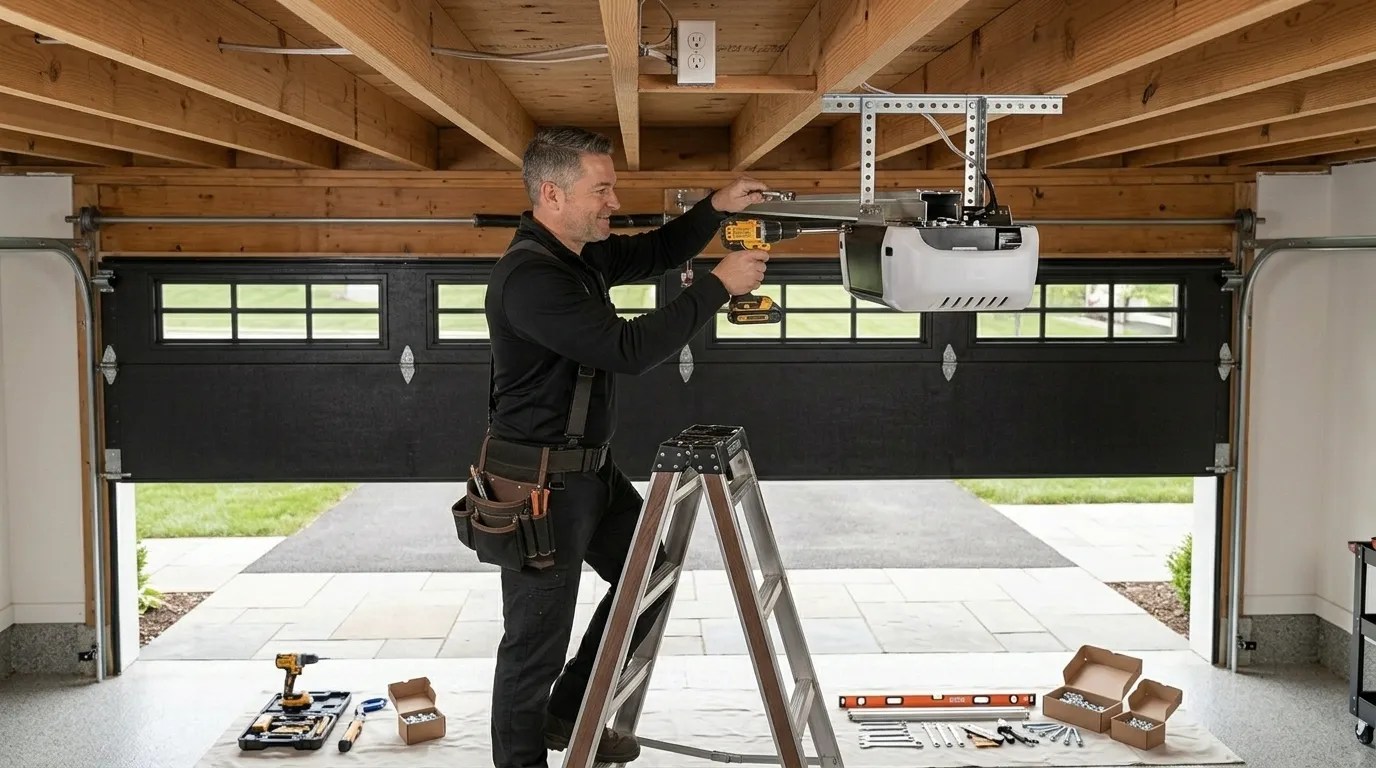
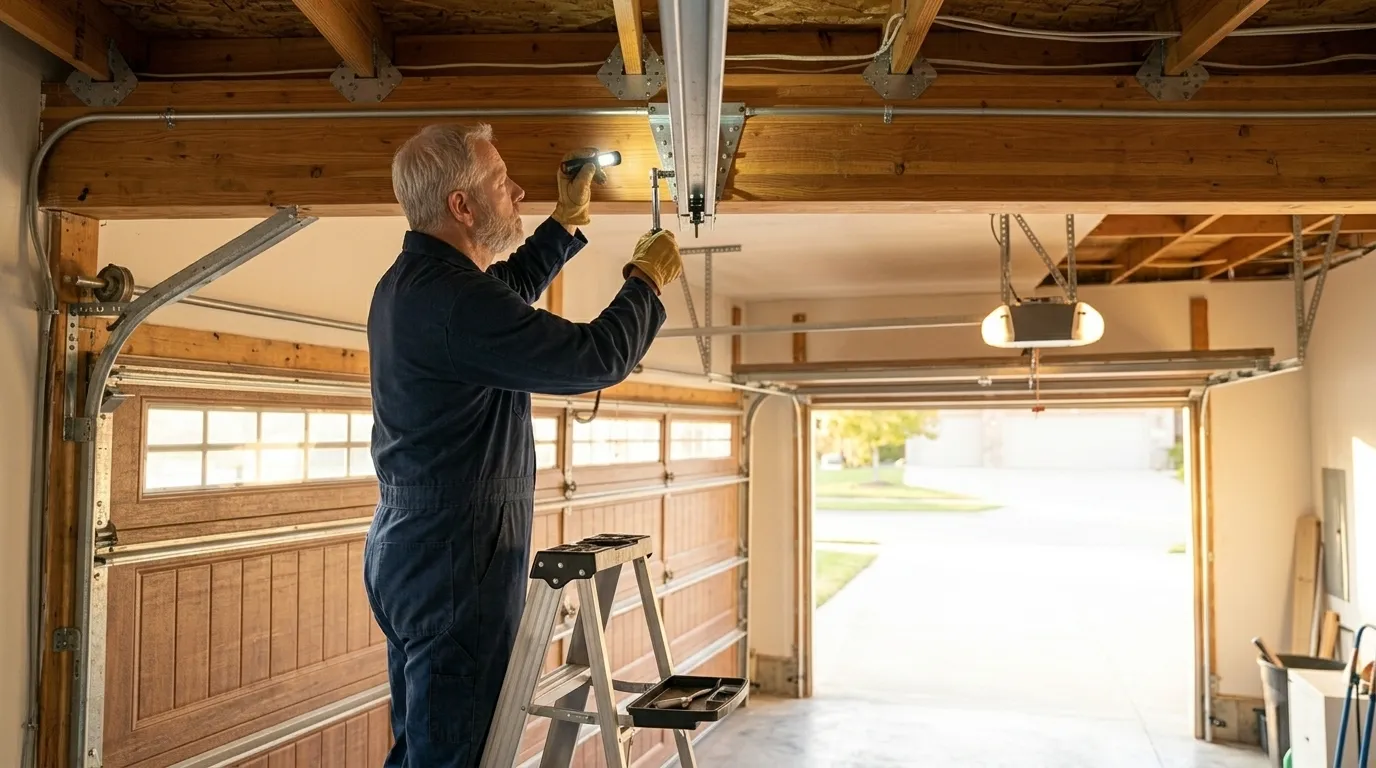
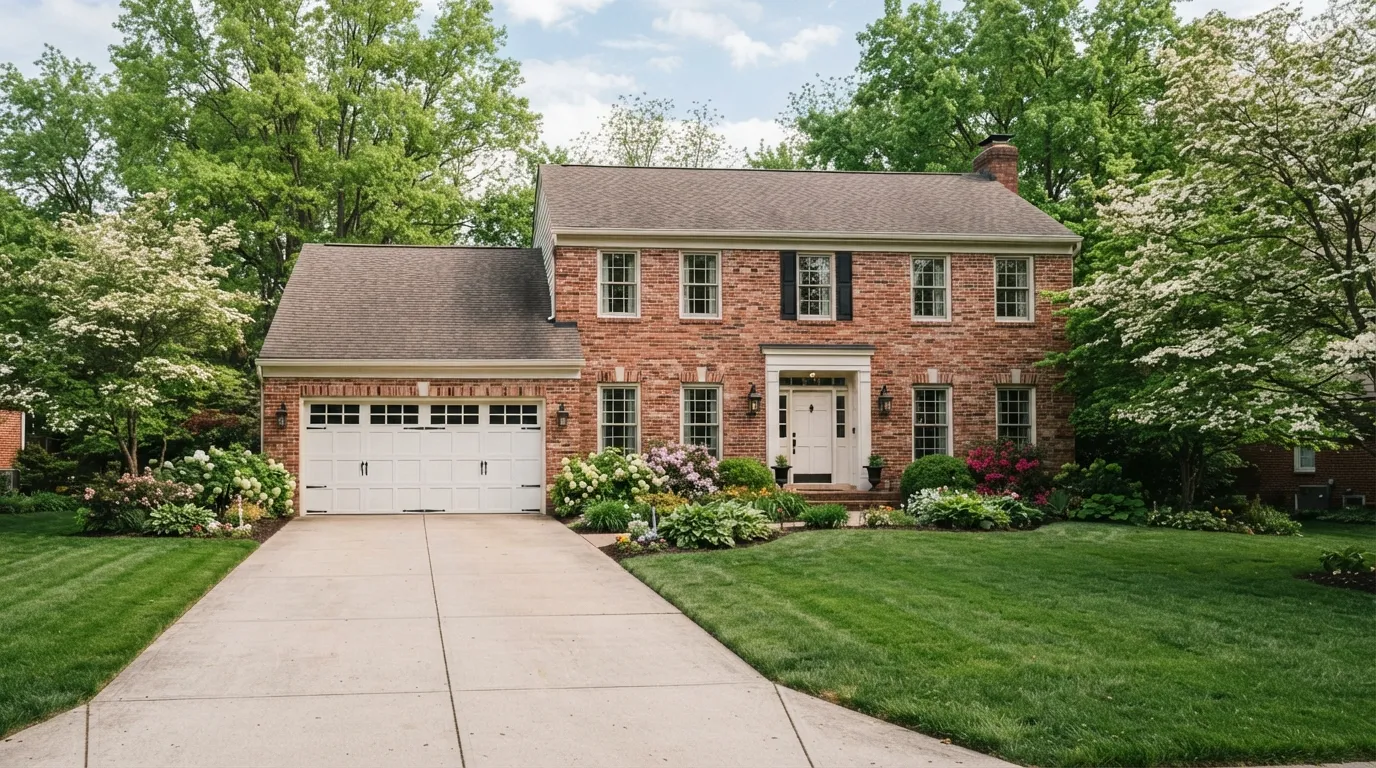
Most of the houses we get called to here went up between 1969 and 2003, with the bulk built in the 1980s and 90s, and that stretch of housing stock tells us a lot before we even see the door. Torsion springs from that era are past their rated cycle count on plenty of these homes, and extension spring setups still show up on the older end of that range. Openers from the same window are often on their second or third remote, with worn drive gears and sensor eyes clouded from years of dust.
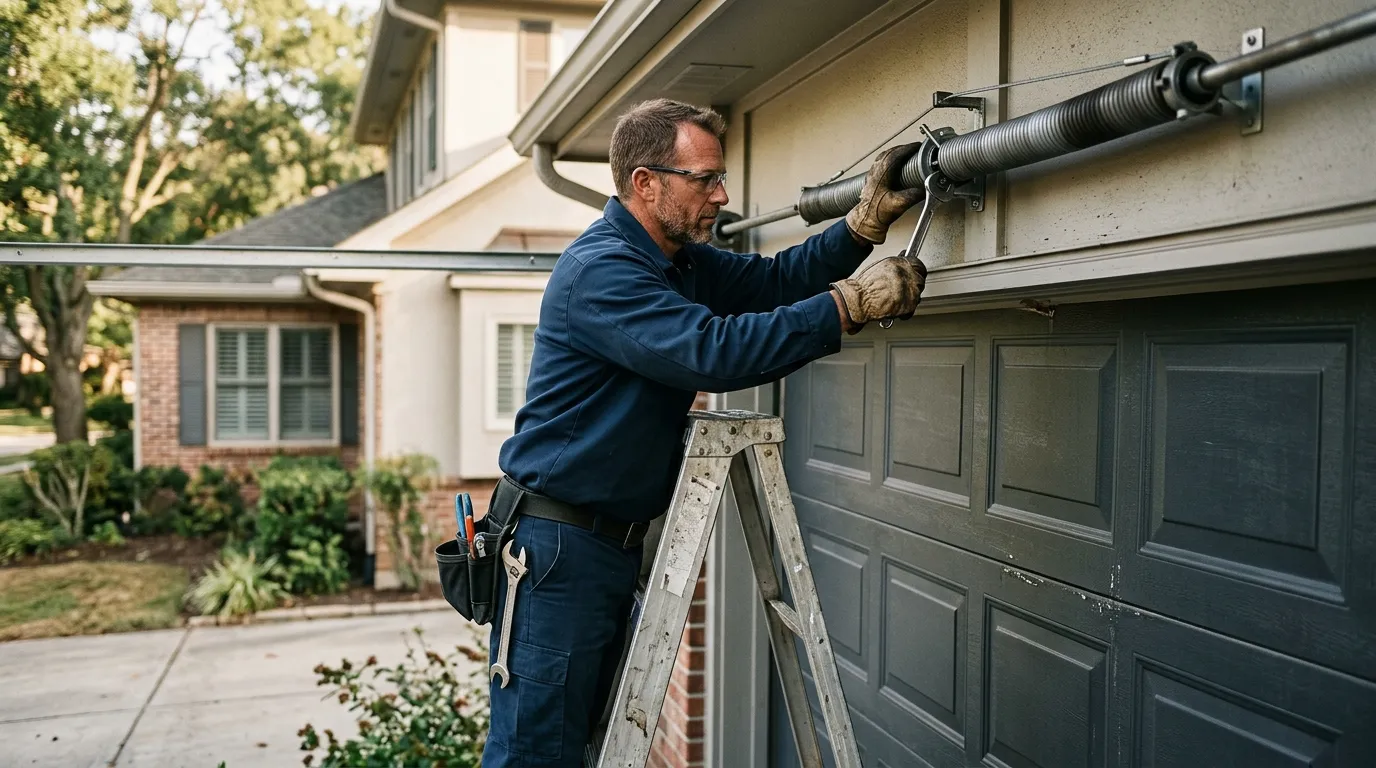
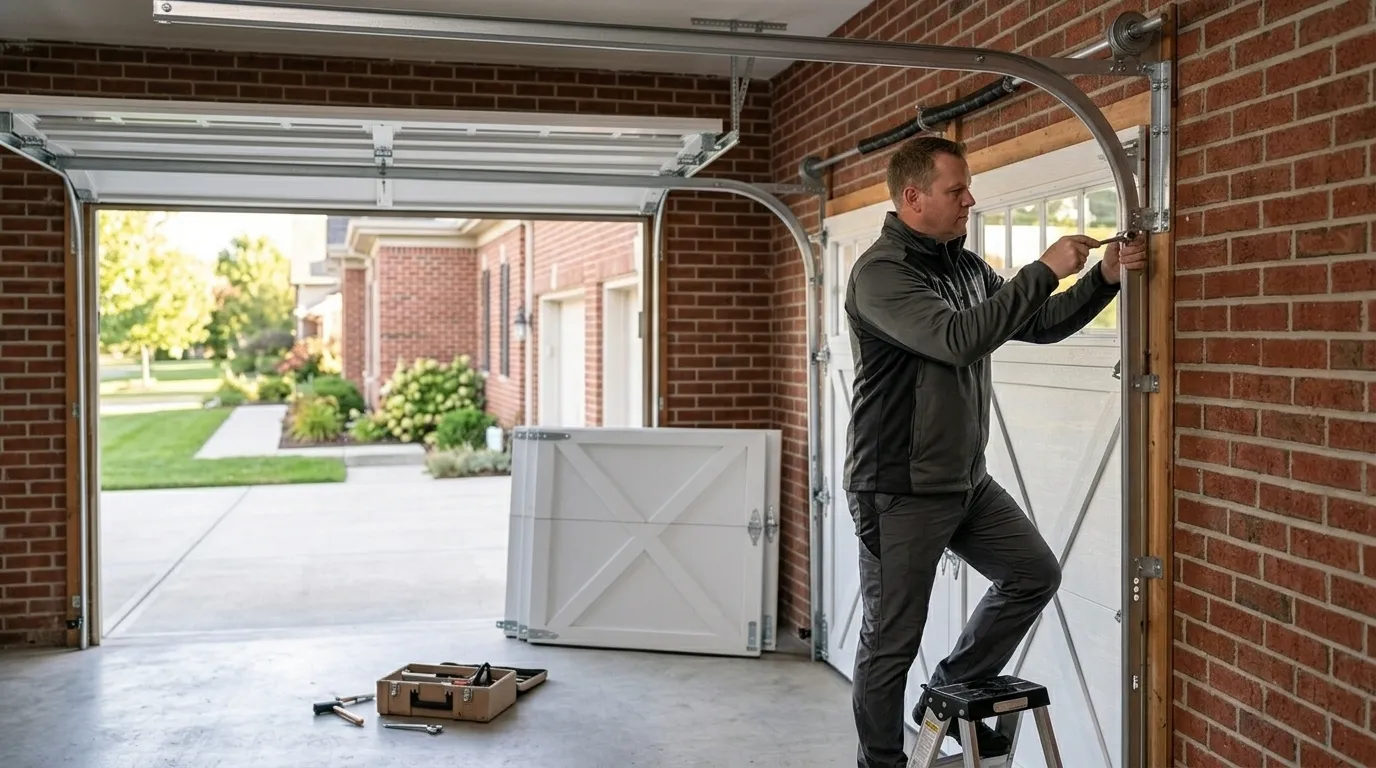
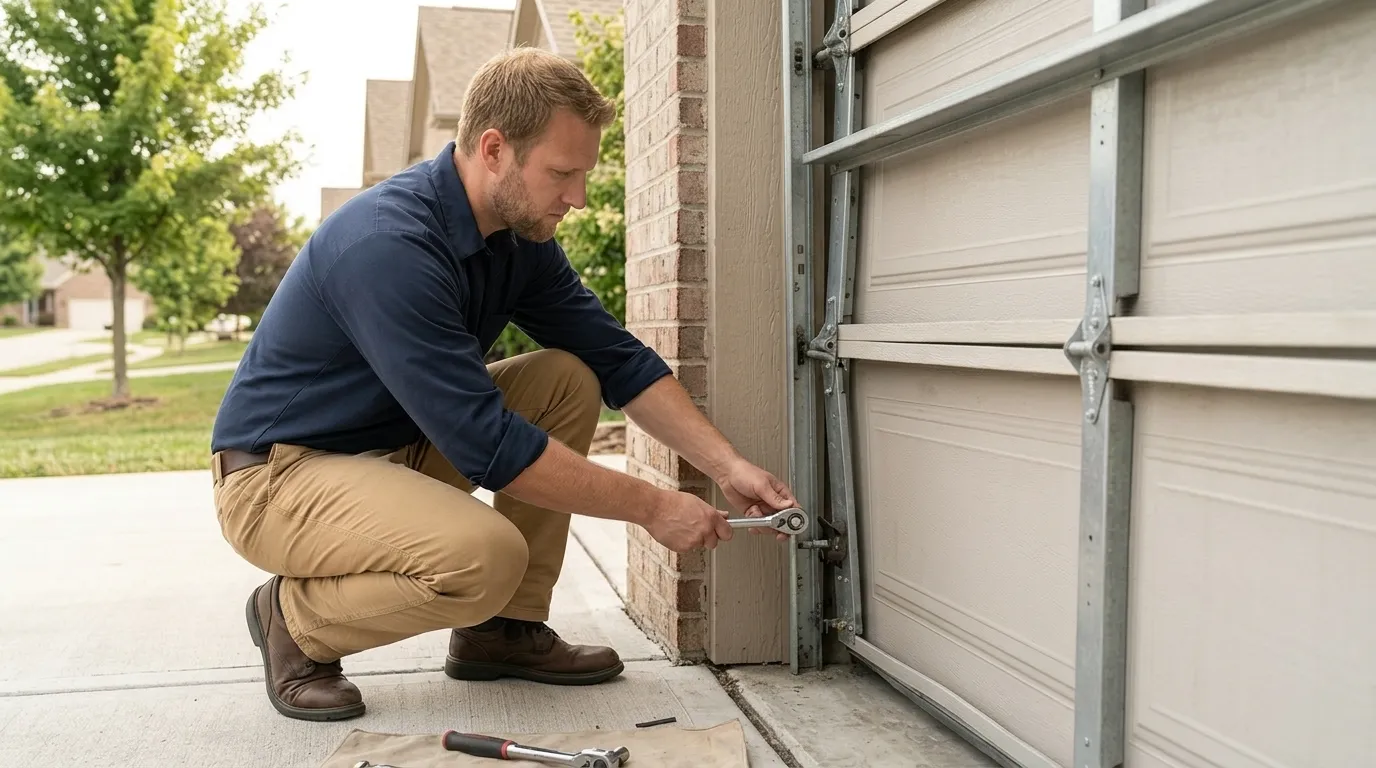
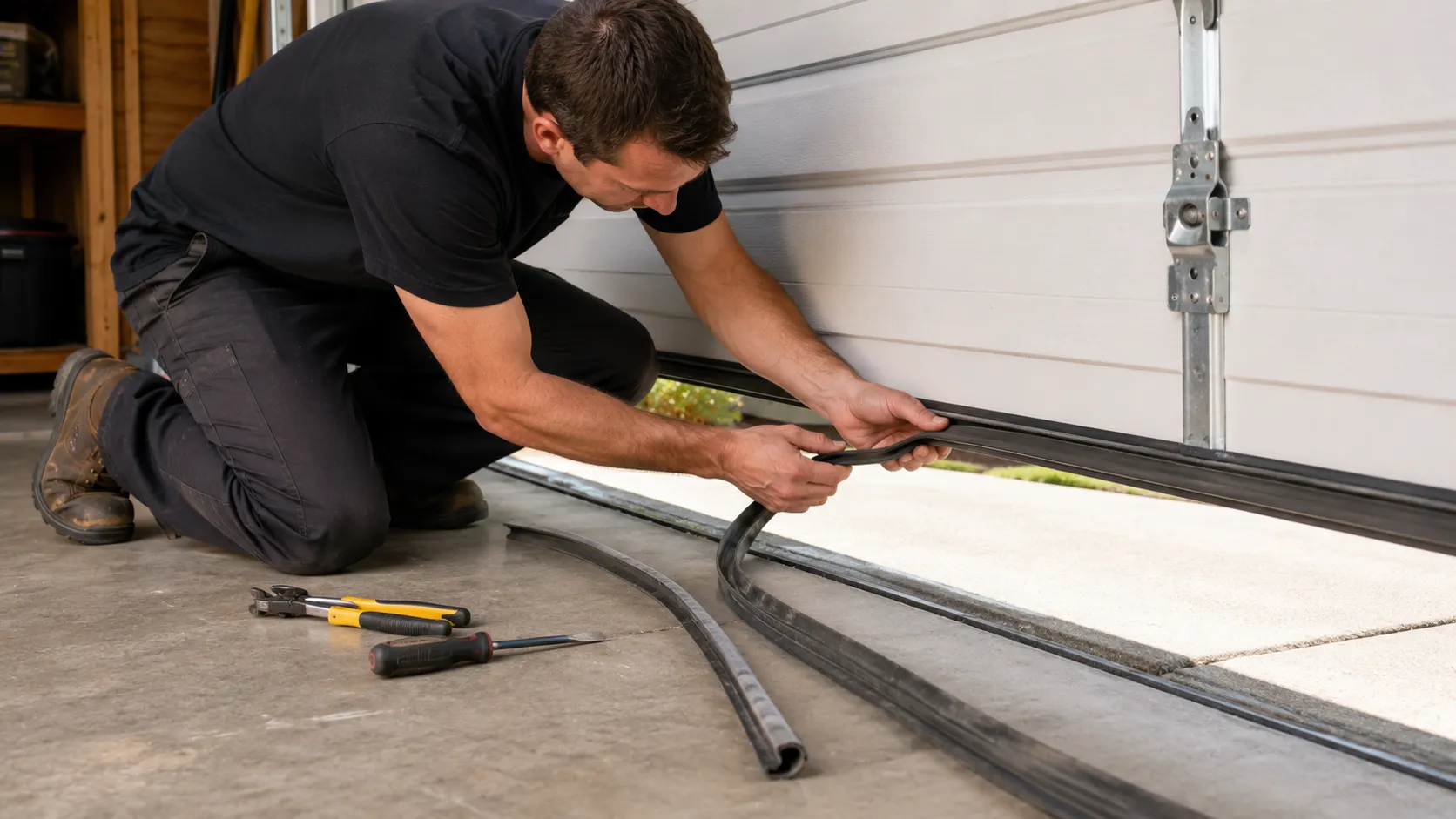
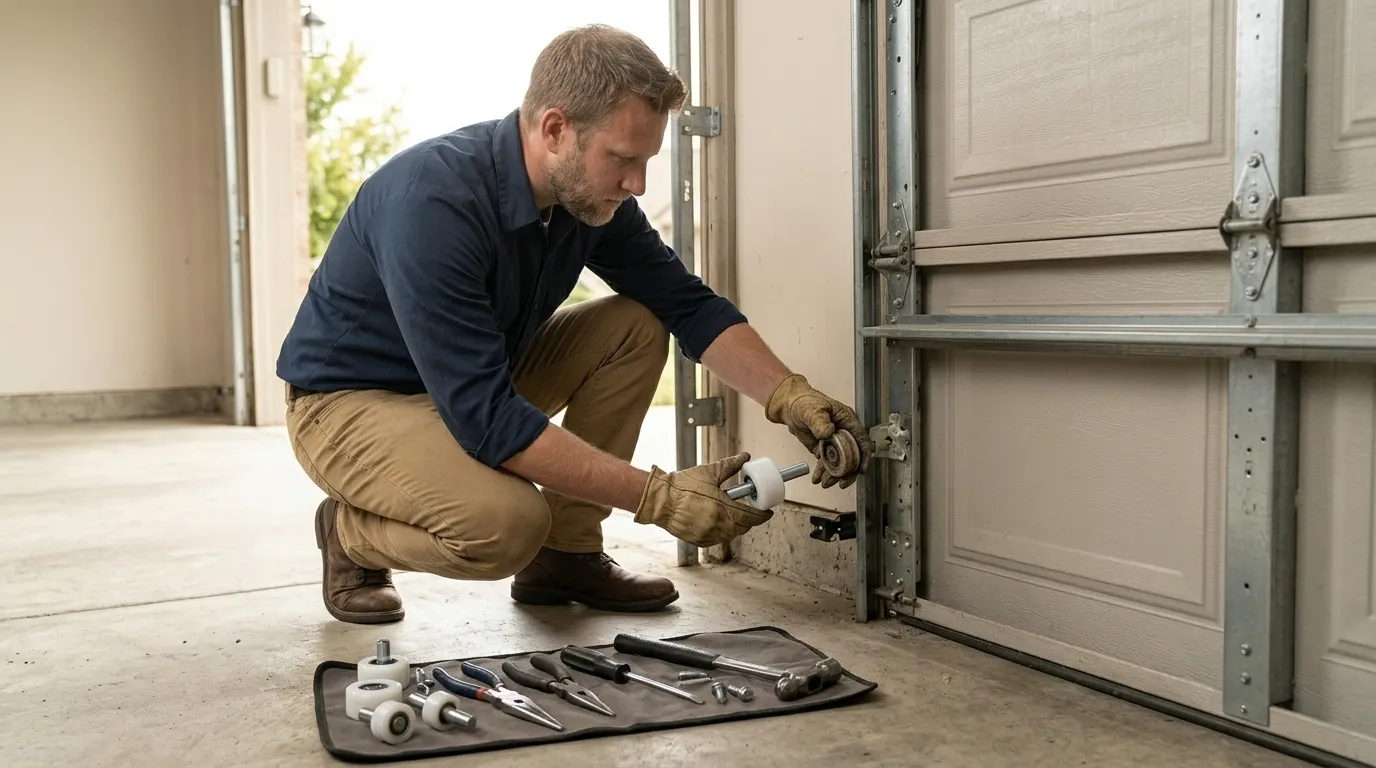
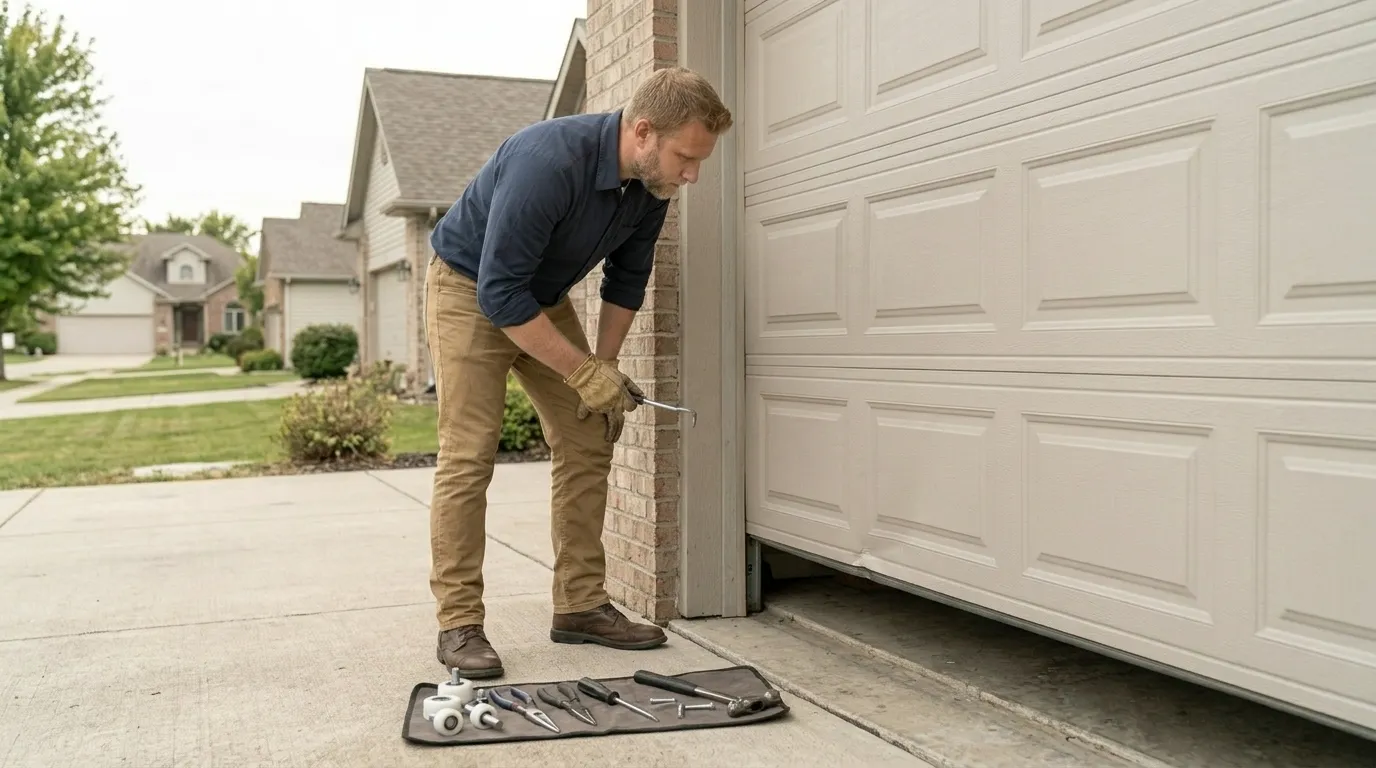
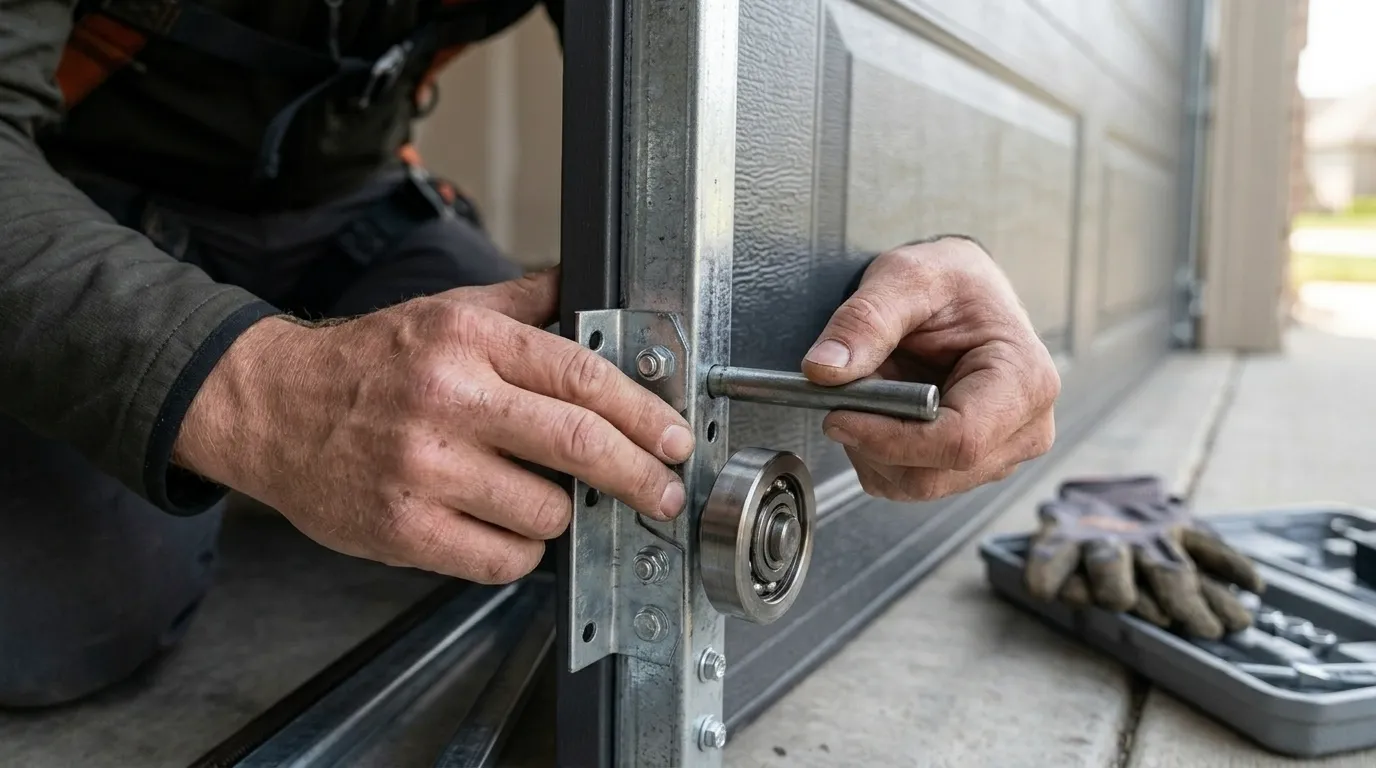
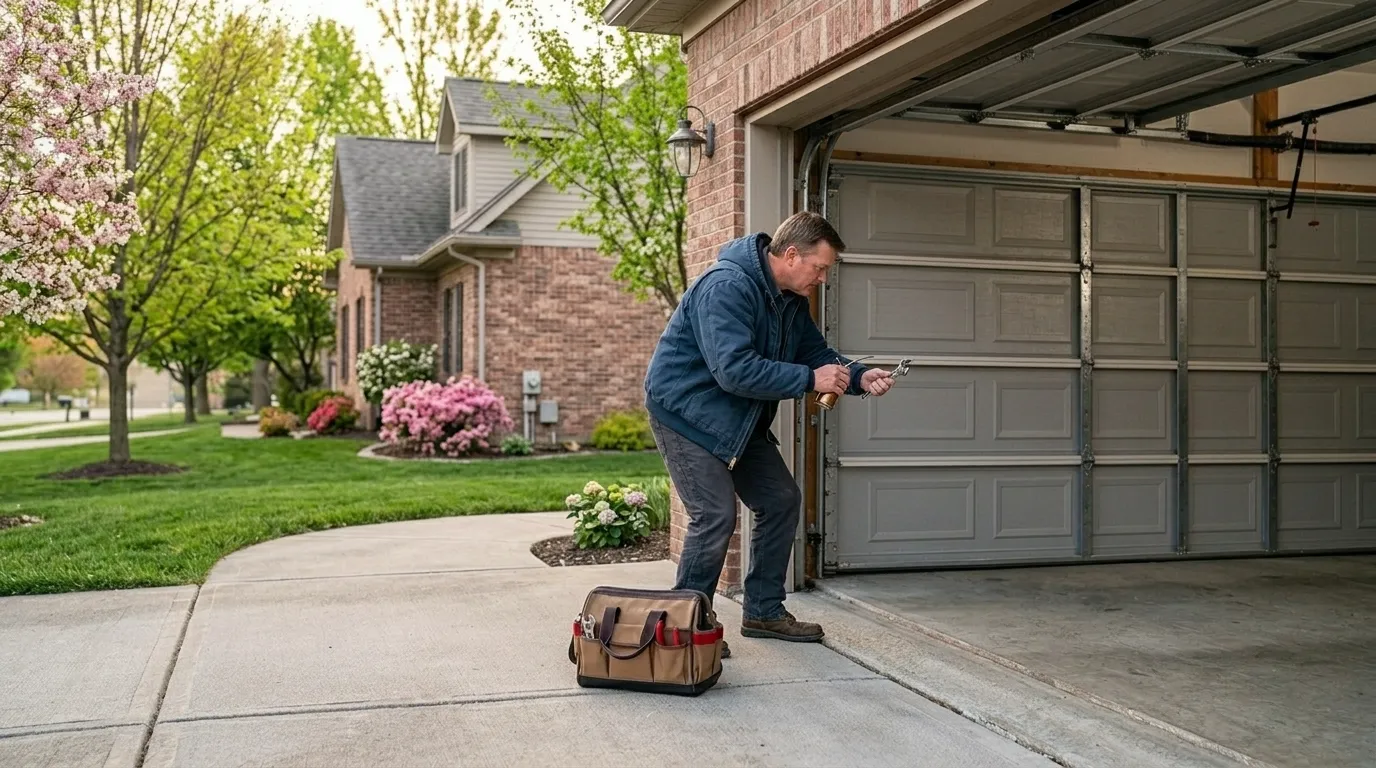
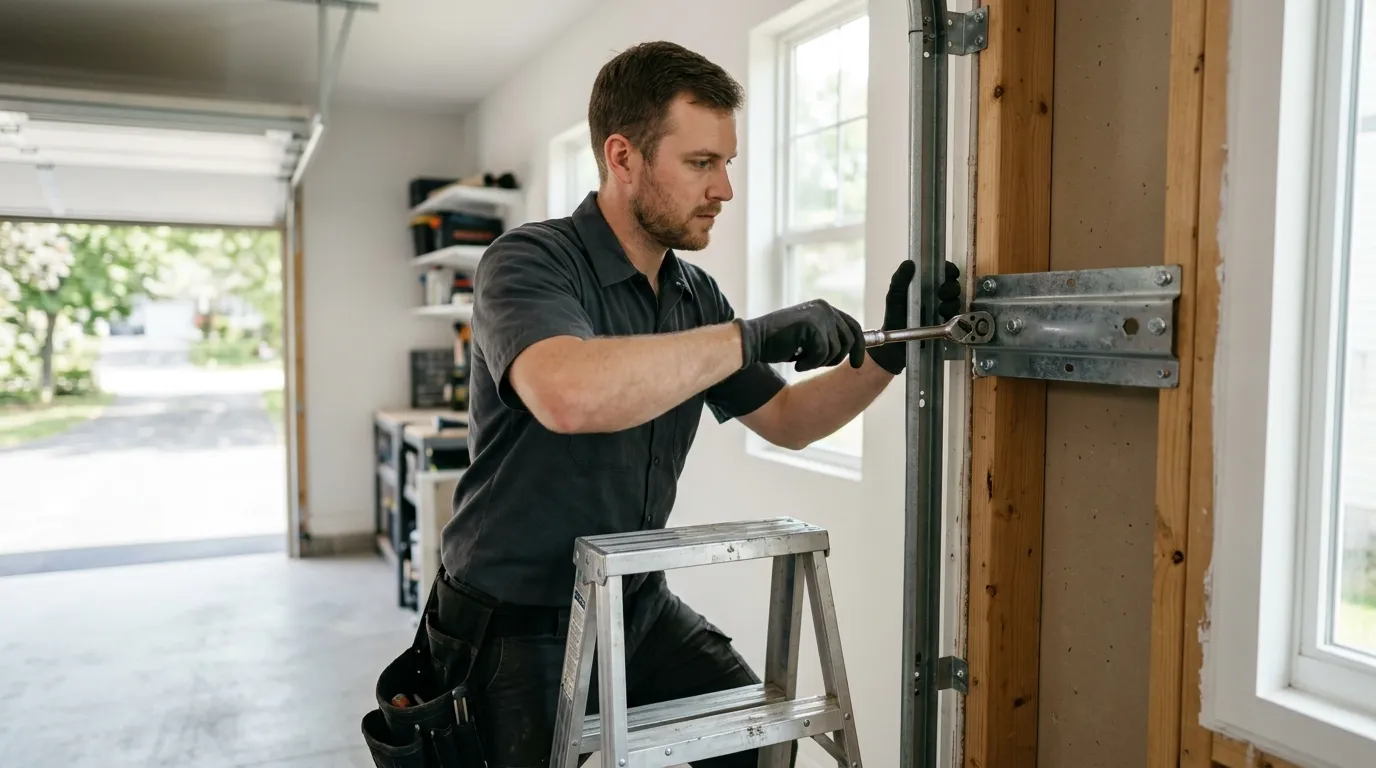
Summers here run hot enough that we file it under severe heat, which is what kills nylon rollers and cheap circuit boards years before their time. Heat also dries out weatherstripping fast and can throw off the balance on a door that was fine in the spring. We see a steady run of broken torsion springs, opener boards that won't take a signal anymore, bent tracks from someone backing out too fast, and cables that have started to fray at the drum.
We don't do new construction framing or structural garage work - if the header or jamb needs rebuilding, that's outside what we handle, and we'll say so on the spot rather than take the job.
Plain Answers
With a median household income of $50,000 across the area, a lot of the calls we take come down to a straight choice: fix the spring and cable now, or put that money toward a full door replacement if the panels are already rusted or the track is bent beyond a clean adjustment. We'll tell you which side of that line your door is on before we start work, not after.
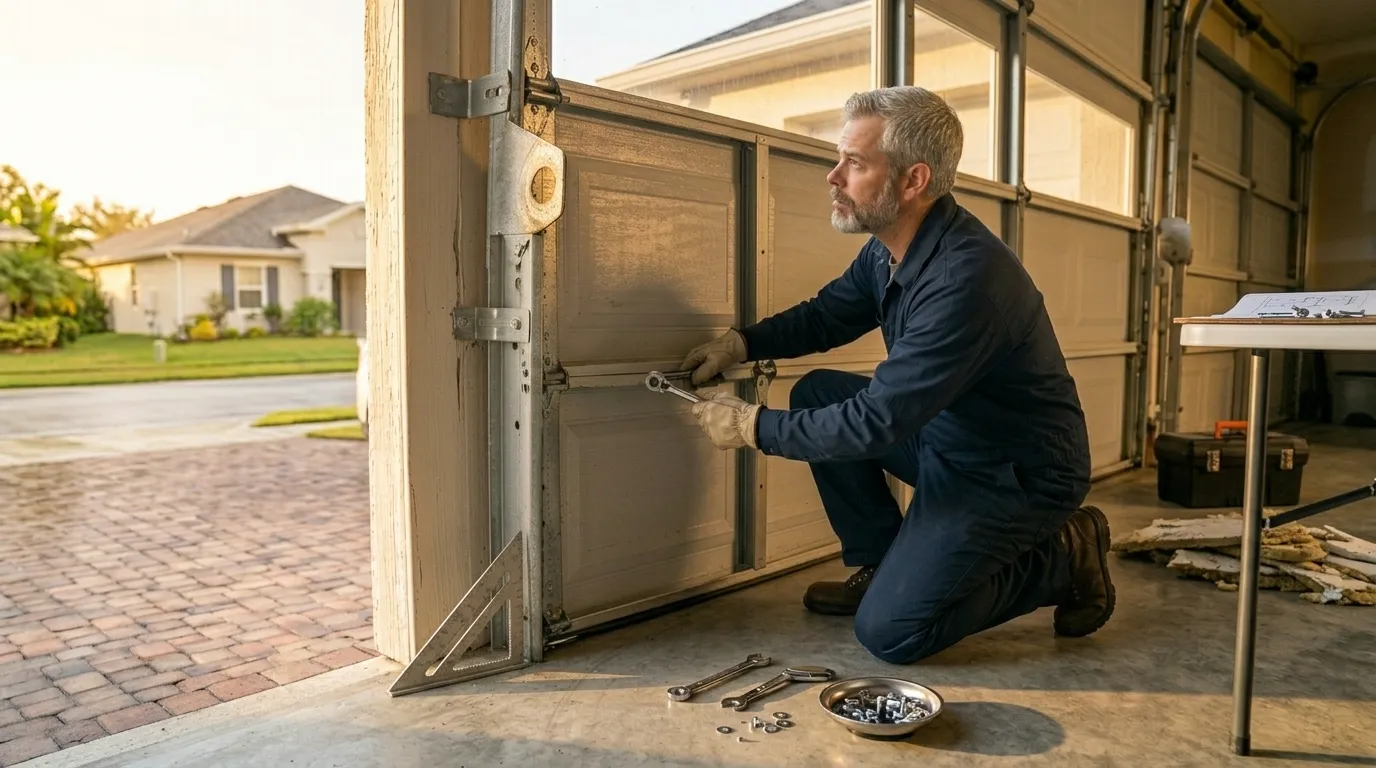
If your house dates to the 1969-2003 stretch that covers most of this area, chances are the hardware inside the door is original or close to it, and original parts on a torsion system aren't always something we can match off the shelf same day. When that happens, we're upfront about the wait instead of promising a fix we can't deliver on the spot.
We won't quote a job over the phone without at least a photo or a look at the door in person, because a spring problem and a track problem sound the same to most people until we're standing in front of it. That's not a stall - it's how we keep from guessing wrong and costing you twice.