Time on the Job
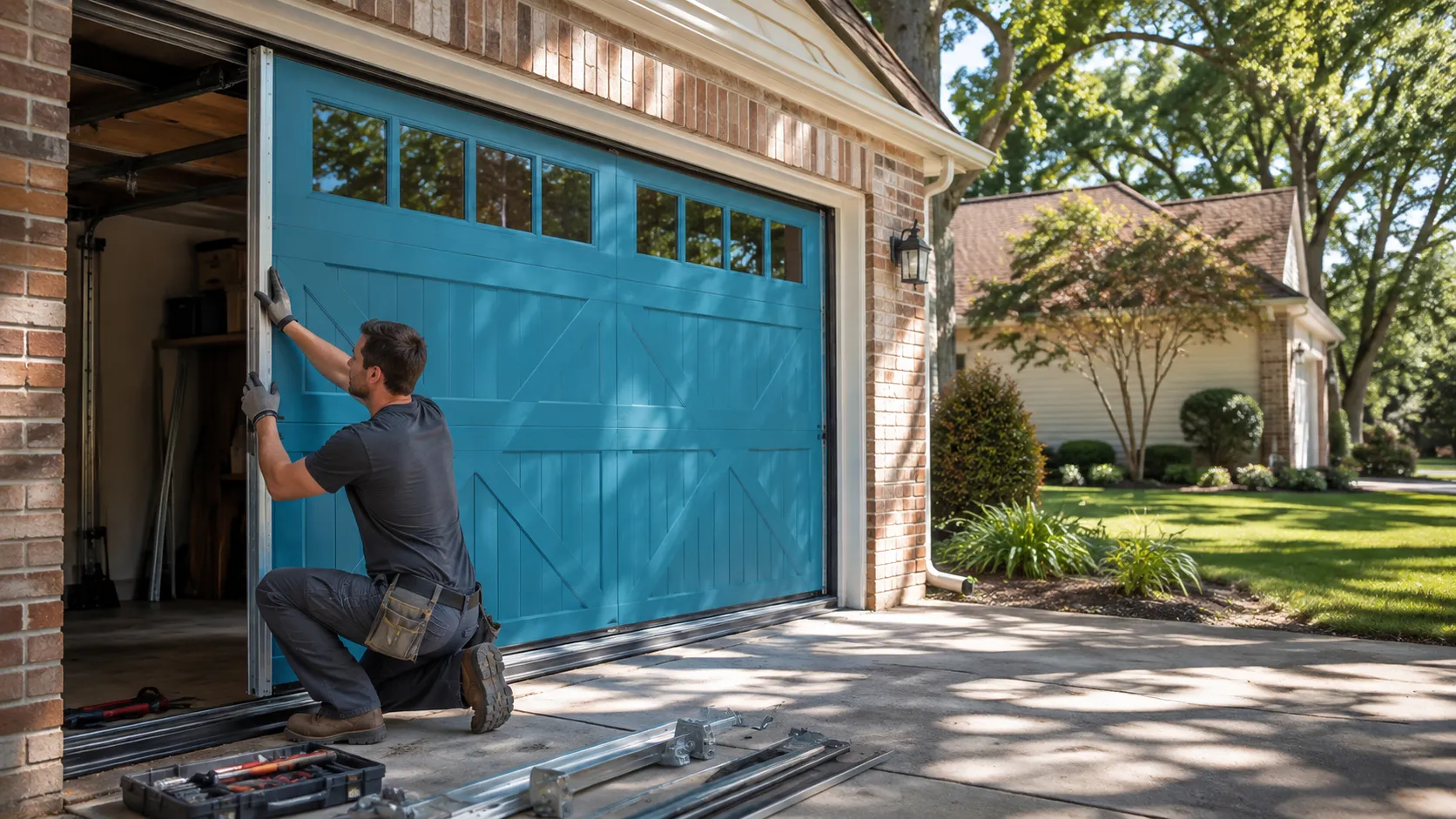
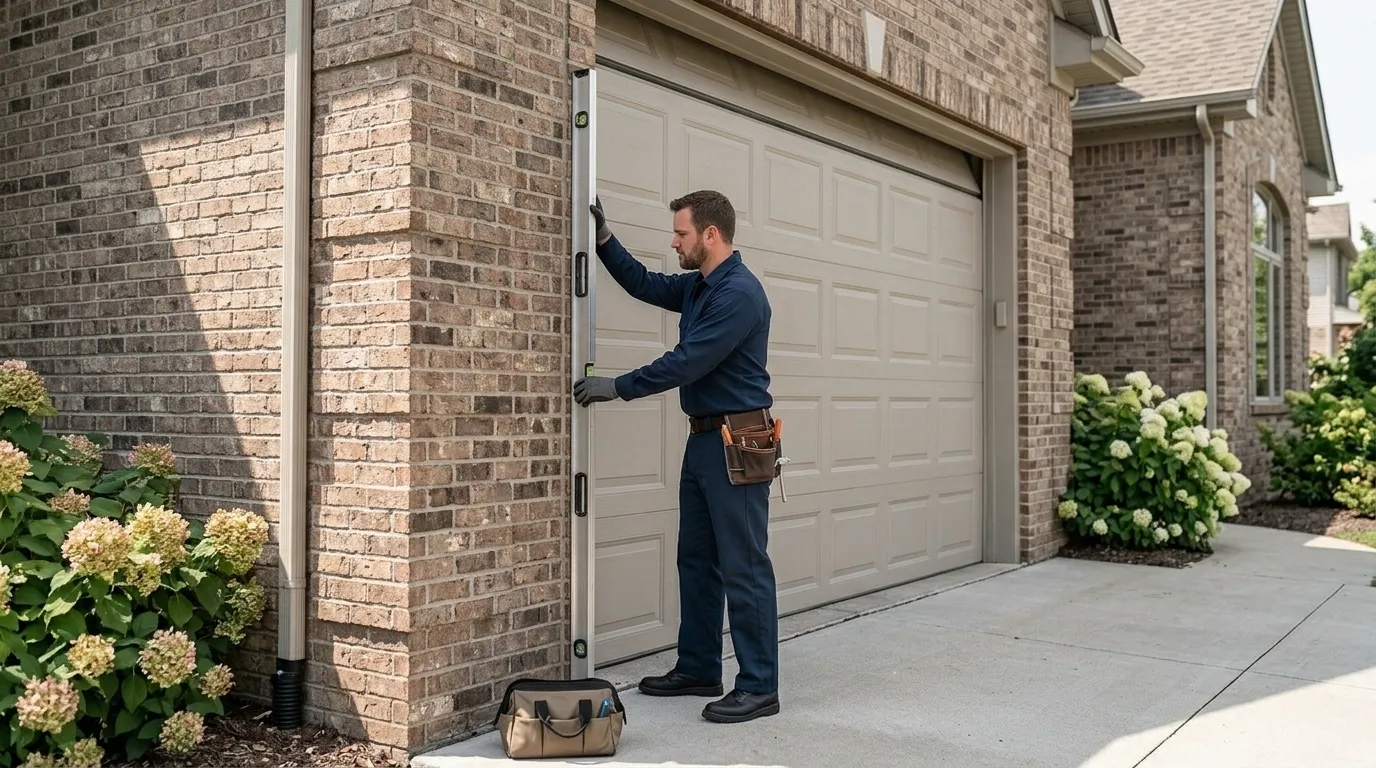
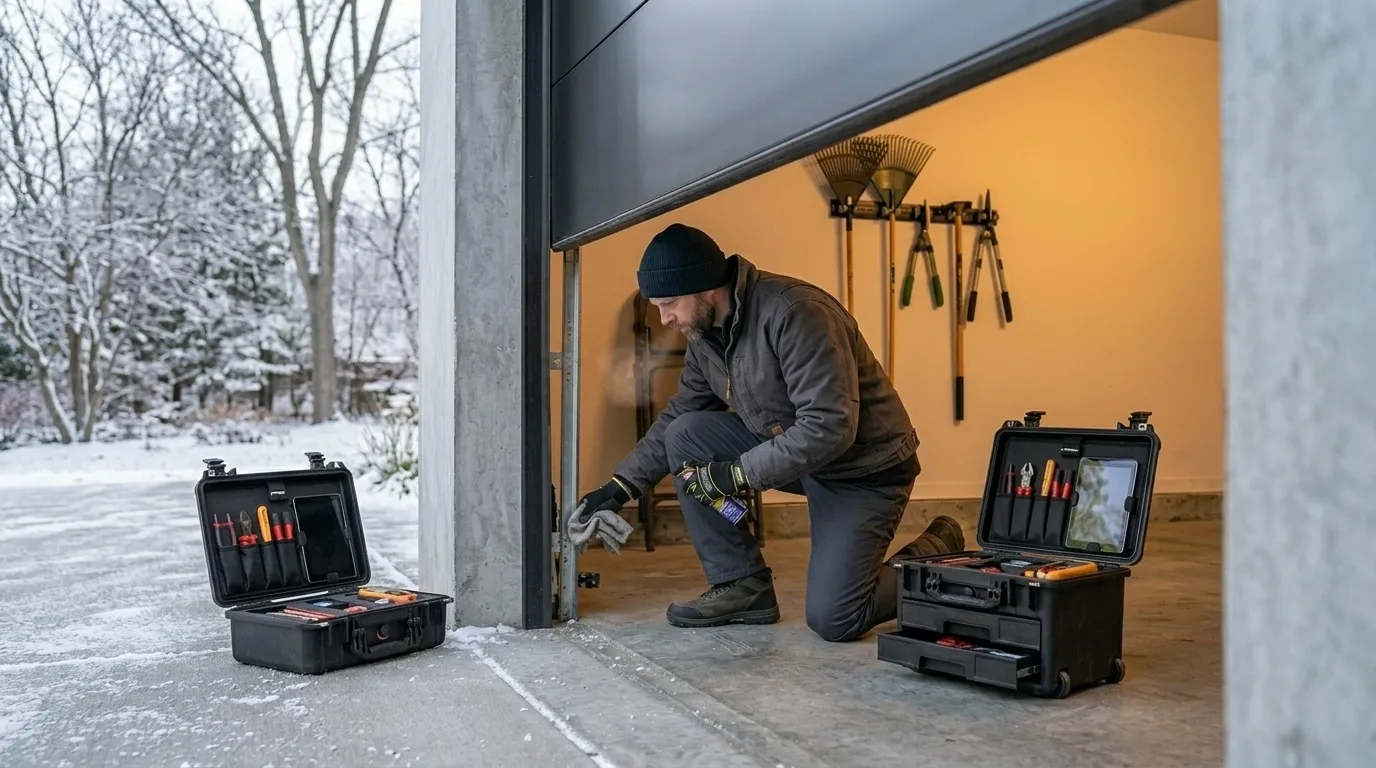
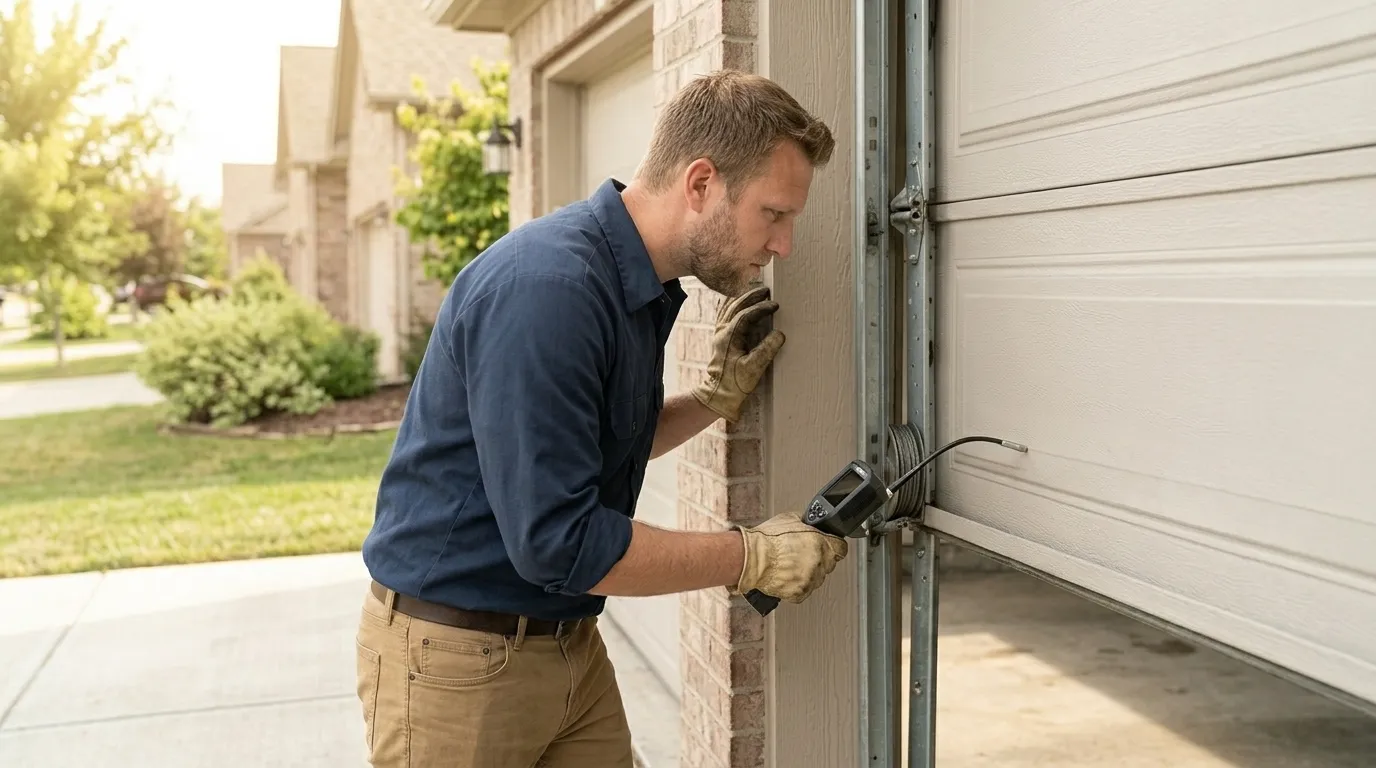
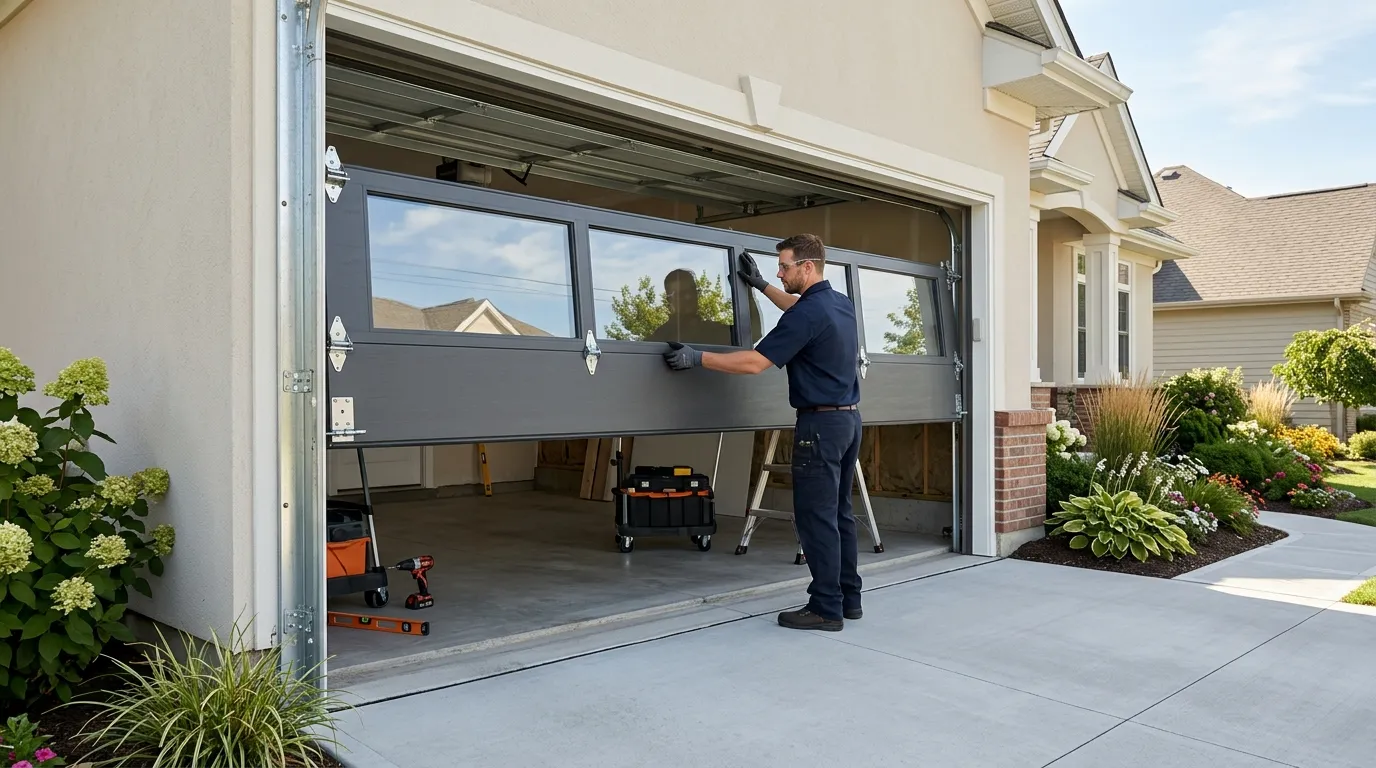
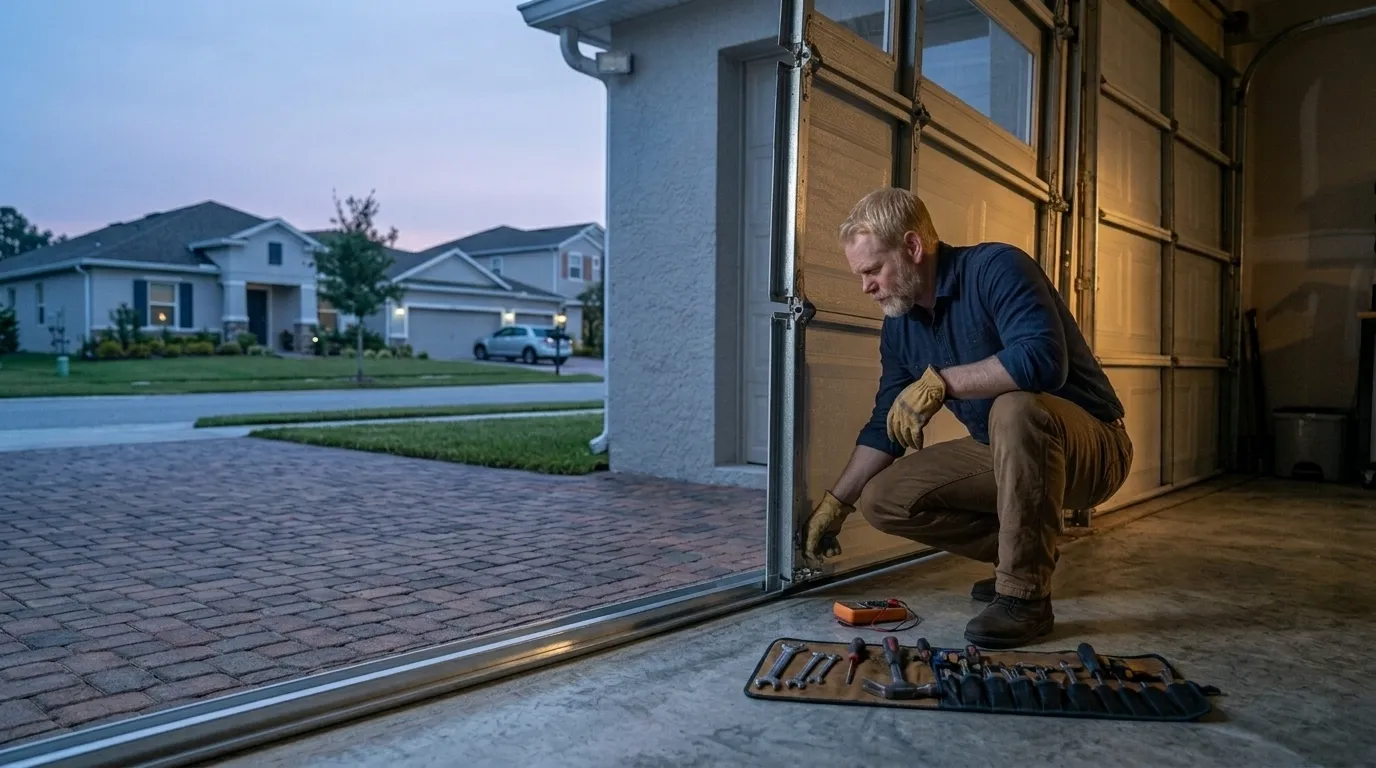
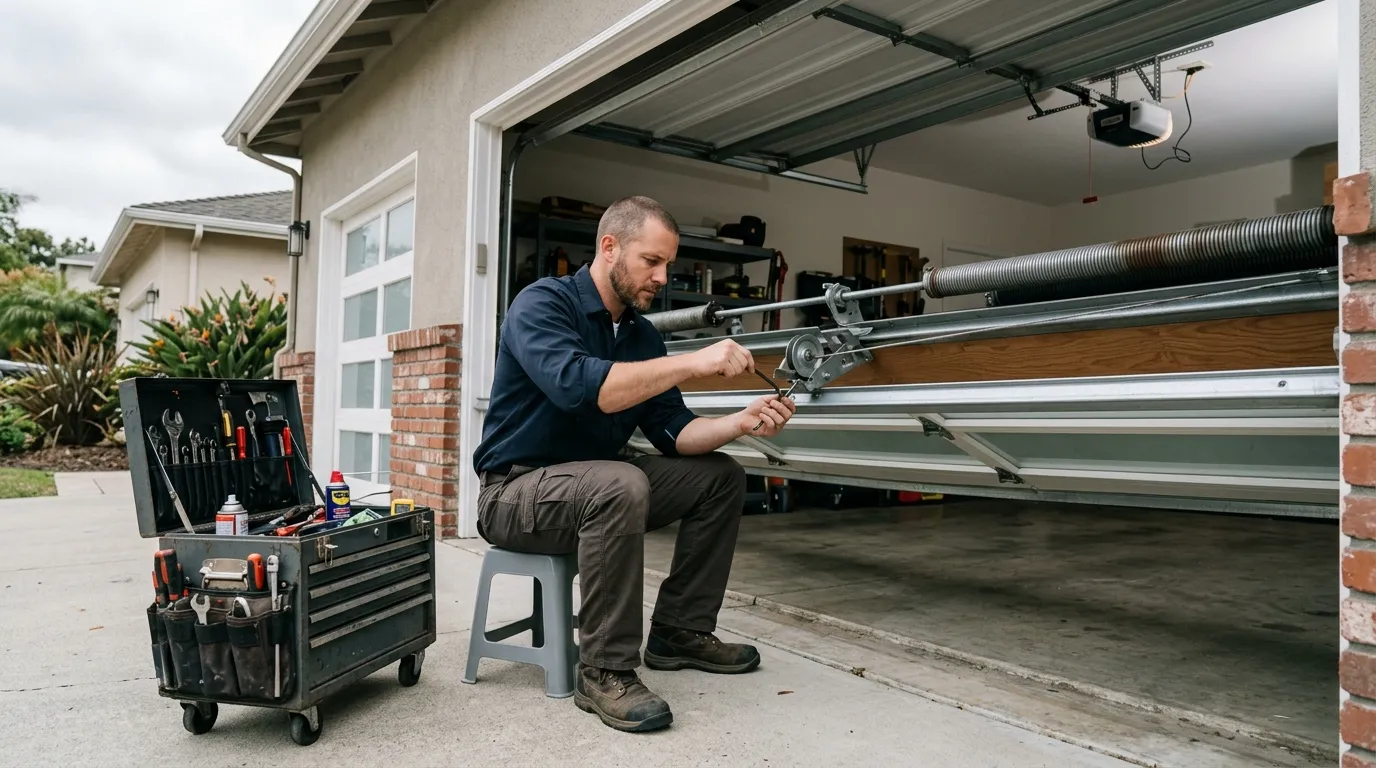
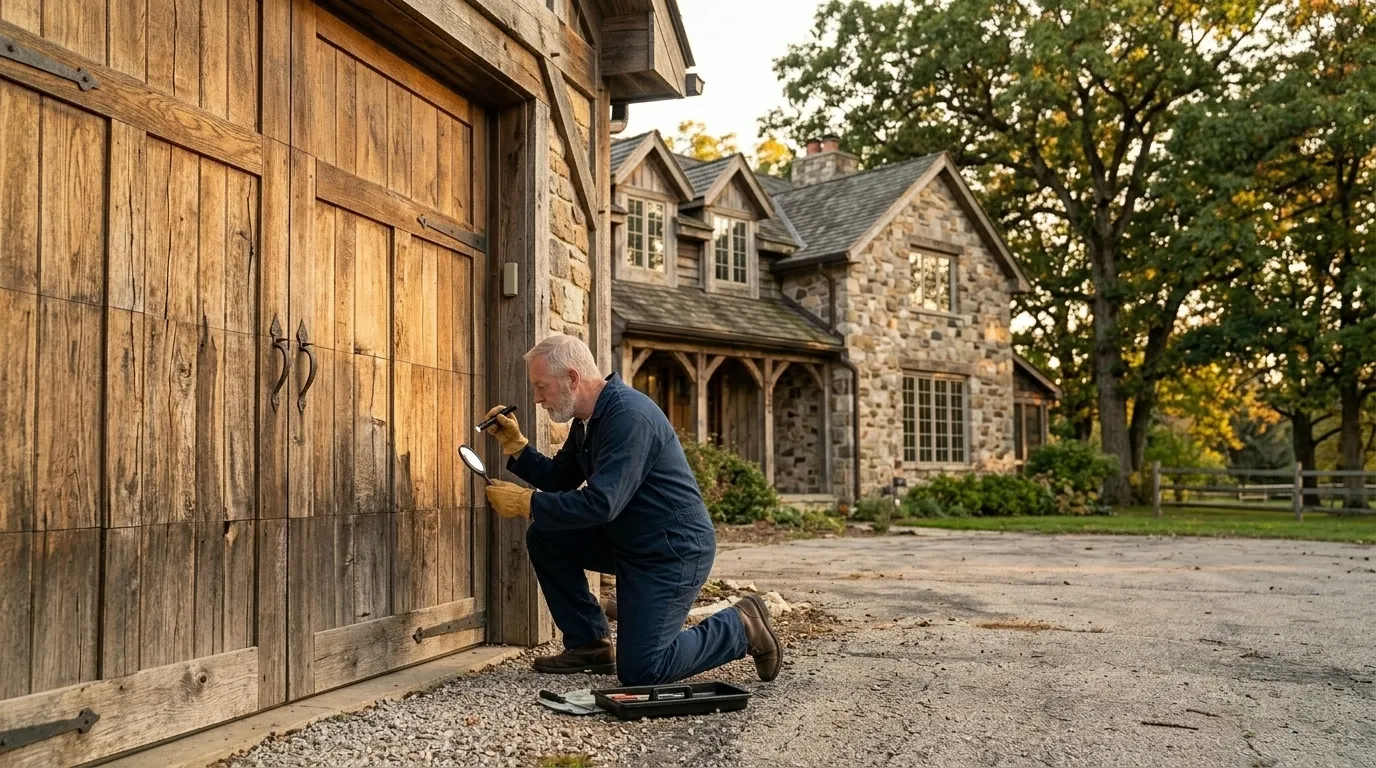
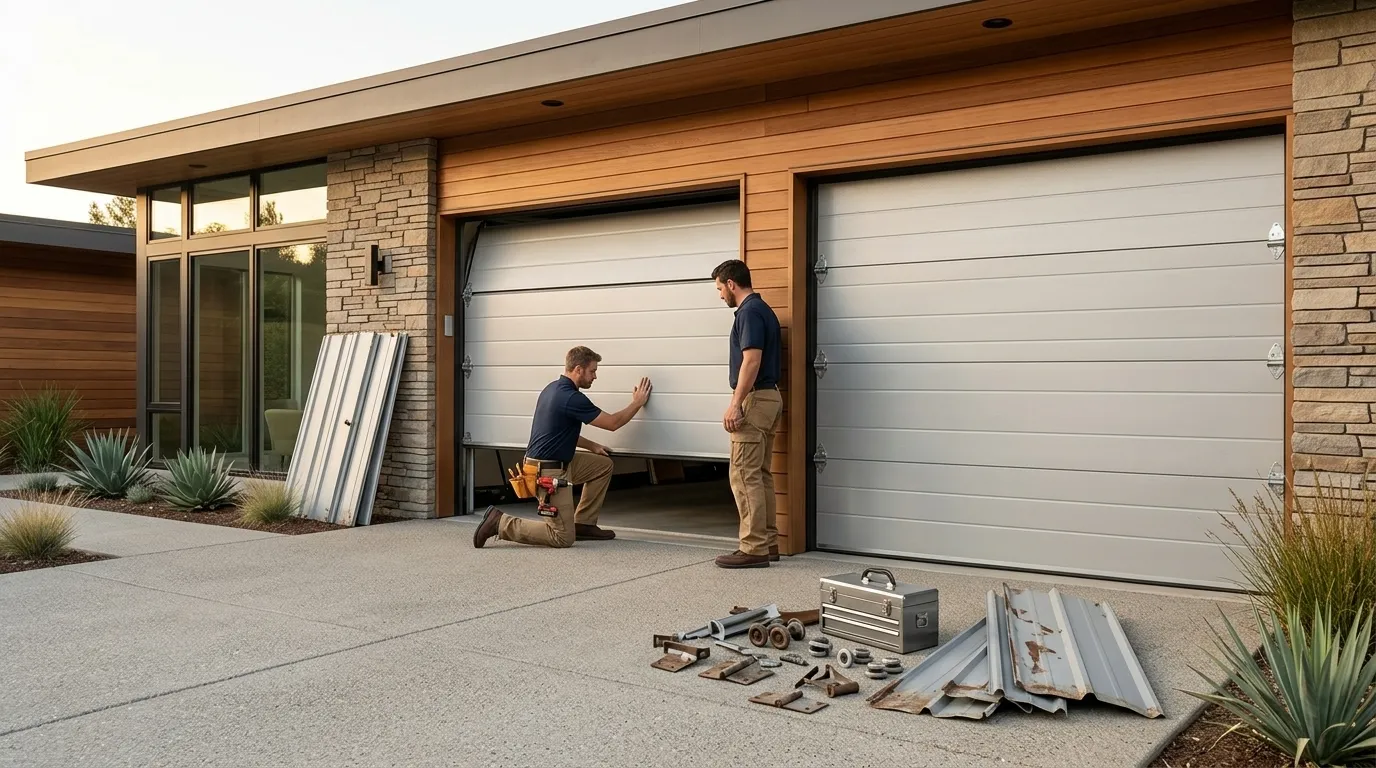
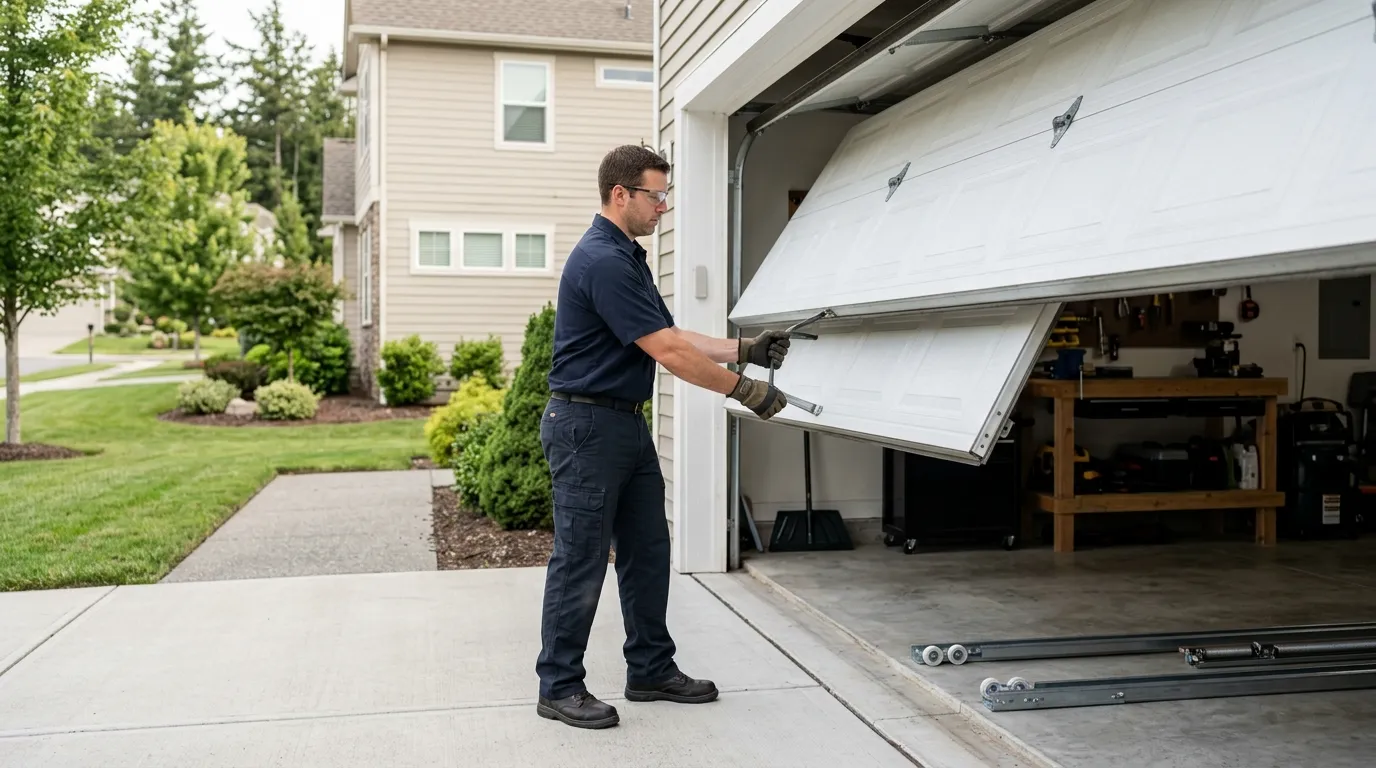
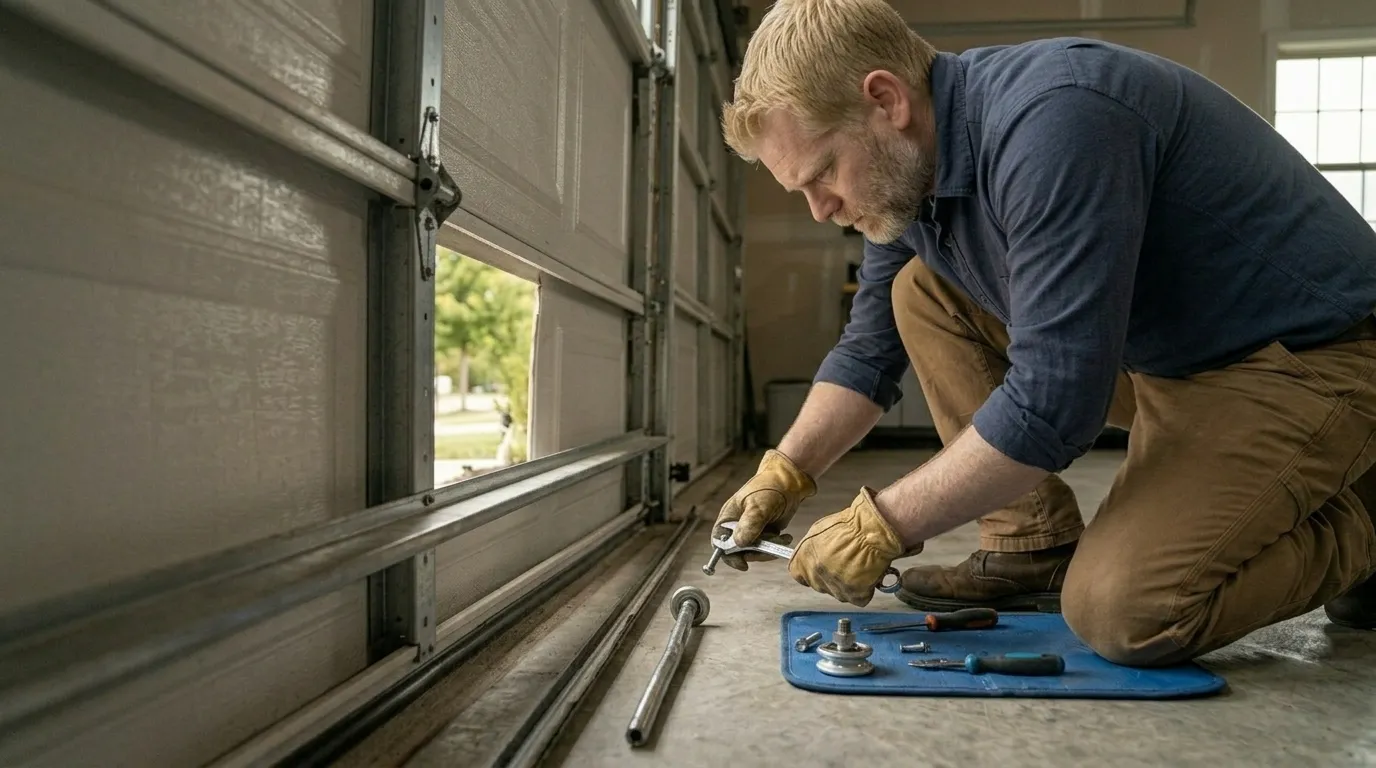
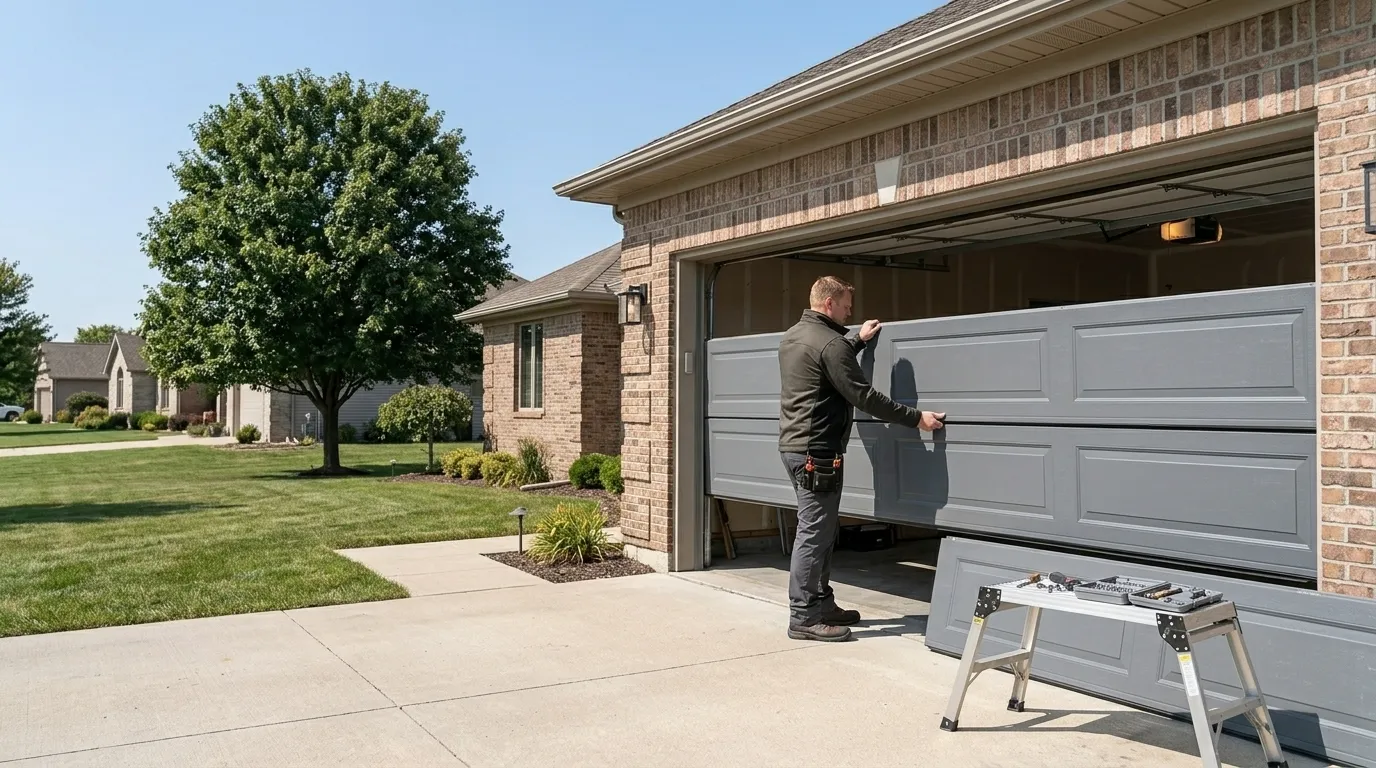
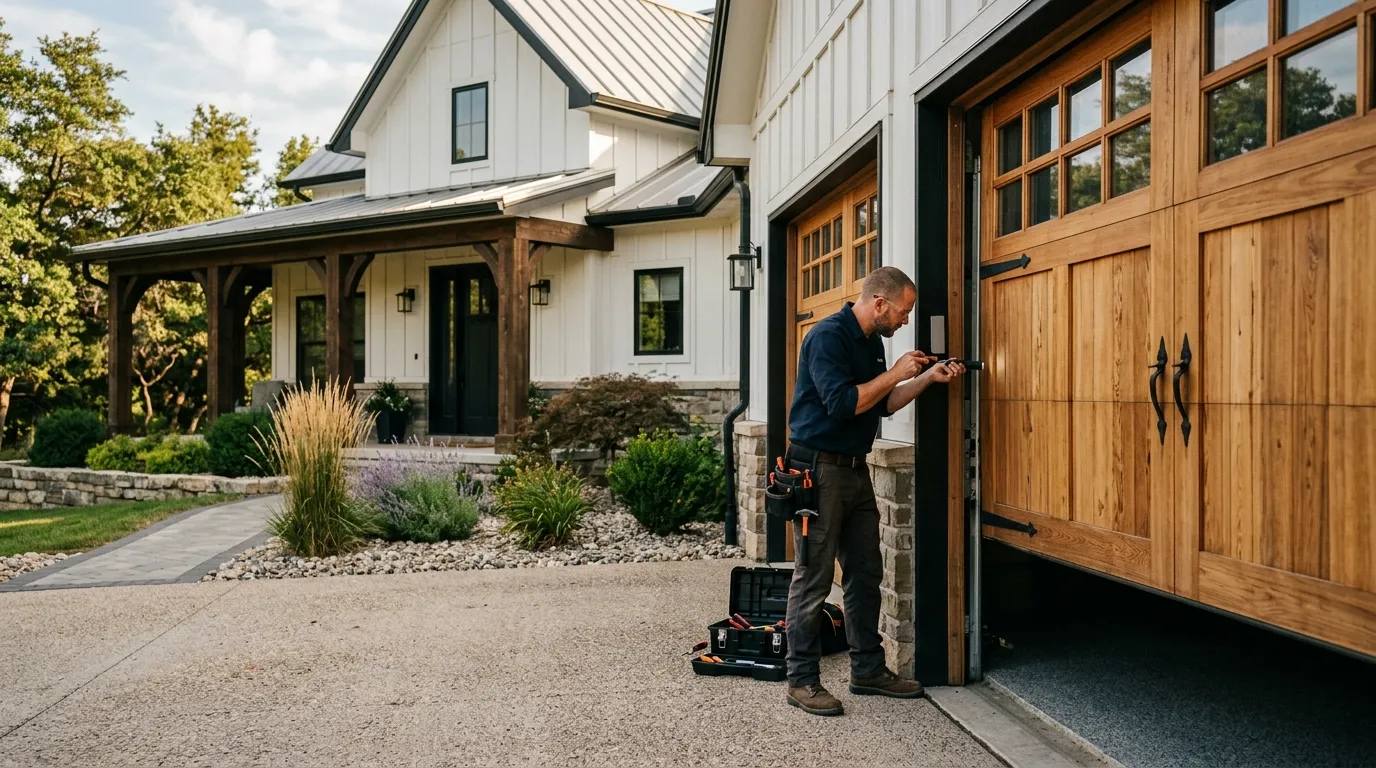
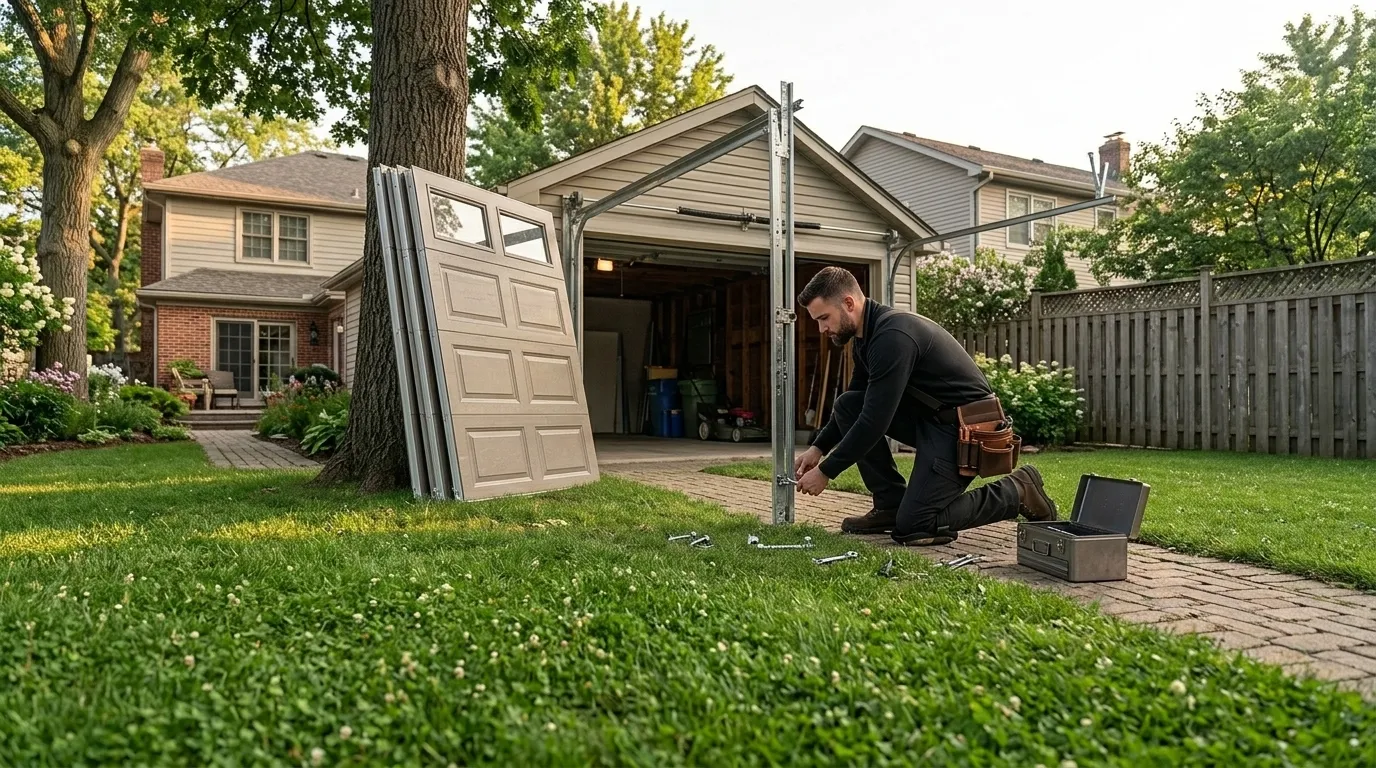
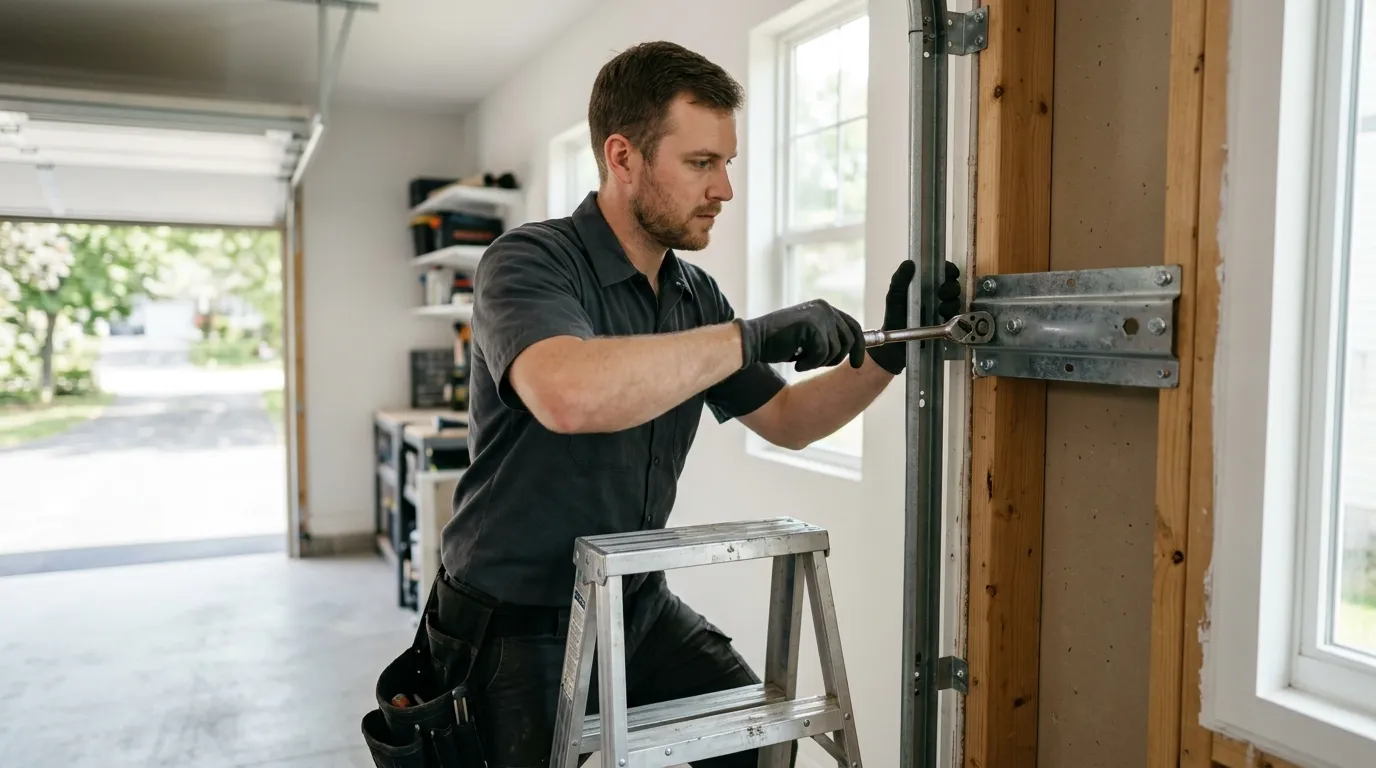
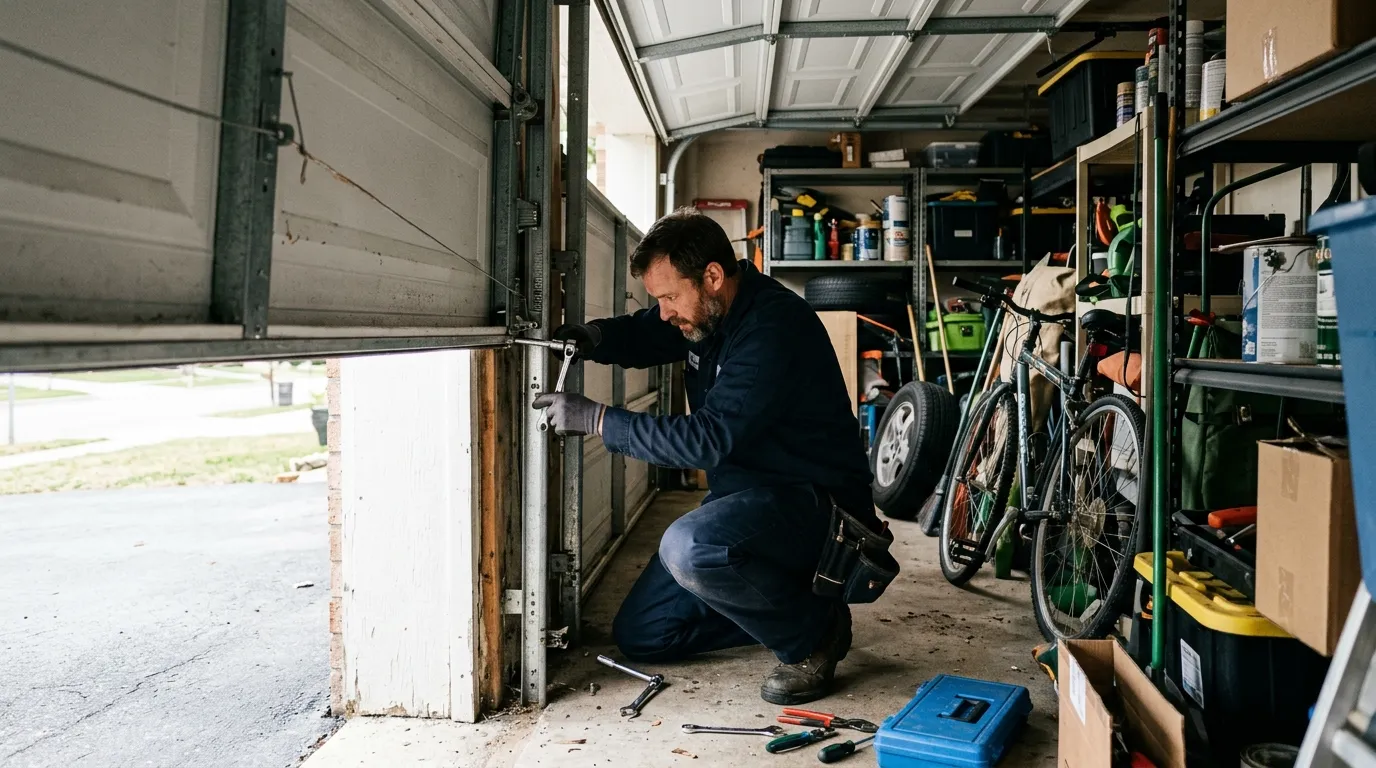
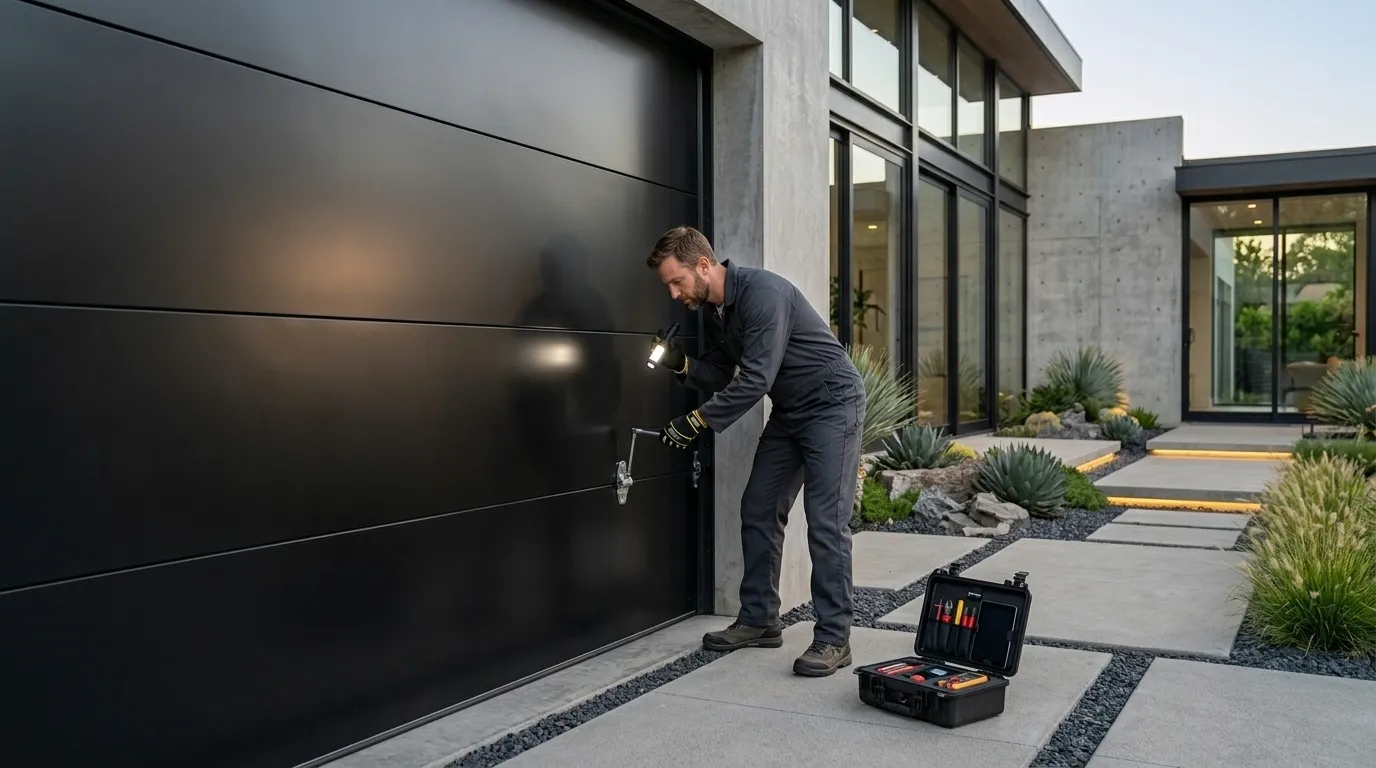
A standard maintenance visit runs through the whole door: torsion spring tension, track alignment, roller condition, cable wear, opener force settings, and the weatherstripping at the bottom panel. We're not replacing parts on a maintenance call unless something's actually failing - the point is to catch the roller that's two months from cracking, not to sell a new one today. Most visits are steady, unhurried work; we're checking hardware that's often older than the buyers who now own the house. Where we find galvanized parts pitted from years of heat and dust rather than rust, that's a sign of the local climate doing its slow work, not neglect.
Why This Fails Locally
Las Cruces sits in a severe-heat band, and that matters more for garage doors than most homeowners expect. Steel expands under sustained high temperatures, and torsion springs that cycle hot every afternoon for months lose calibrated tension faster than the same spring would in a mild climate. Combine that with a housing stock where the median build year is 1986 - meaning a large share of the openers, springs, and track hardware in this service area are original or one prior replacement - and you get a predictable failure pattern: heat-fatigued springs, dried lubricant baking off in a hot garage, and opener gears wearing down under strain nobody adjusted for. This isn't a one-house problem. Across the seven main pockets we cover, from newer builds to the 1970s originals, the same heat is working on every one of them the same way.