Time on the Job
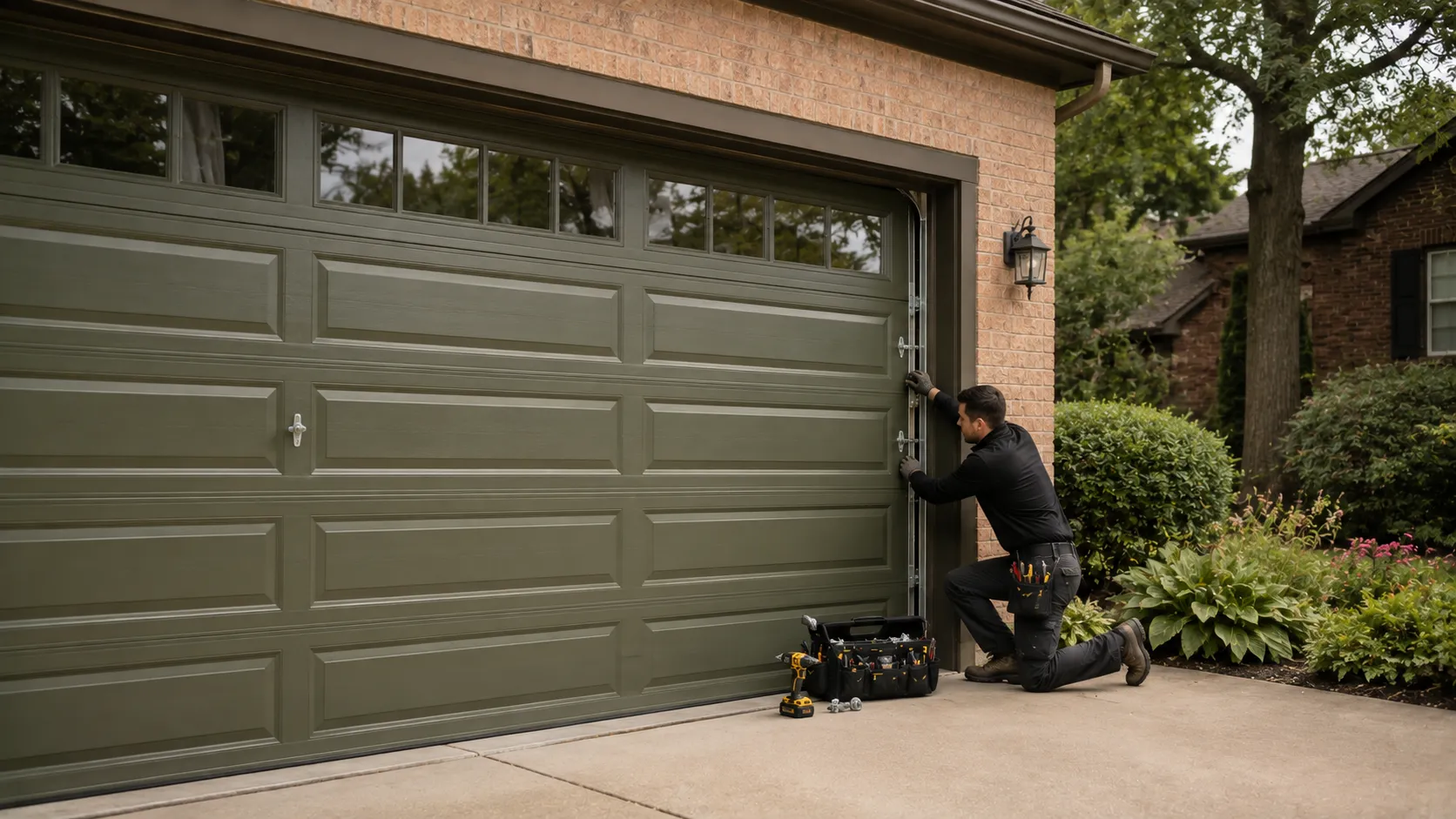
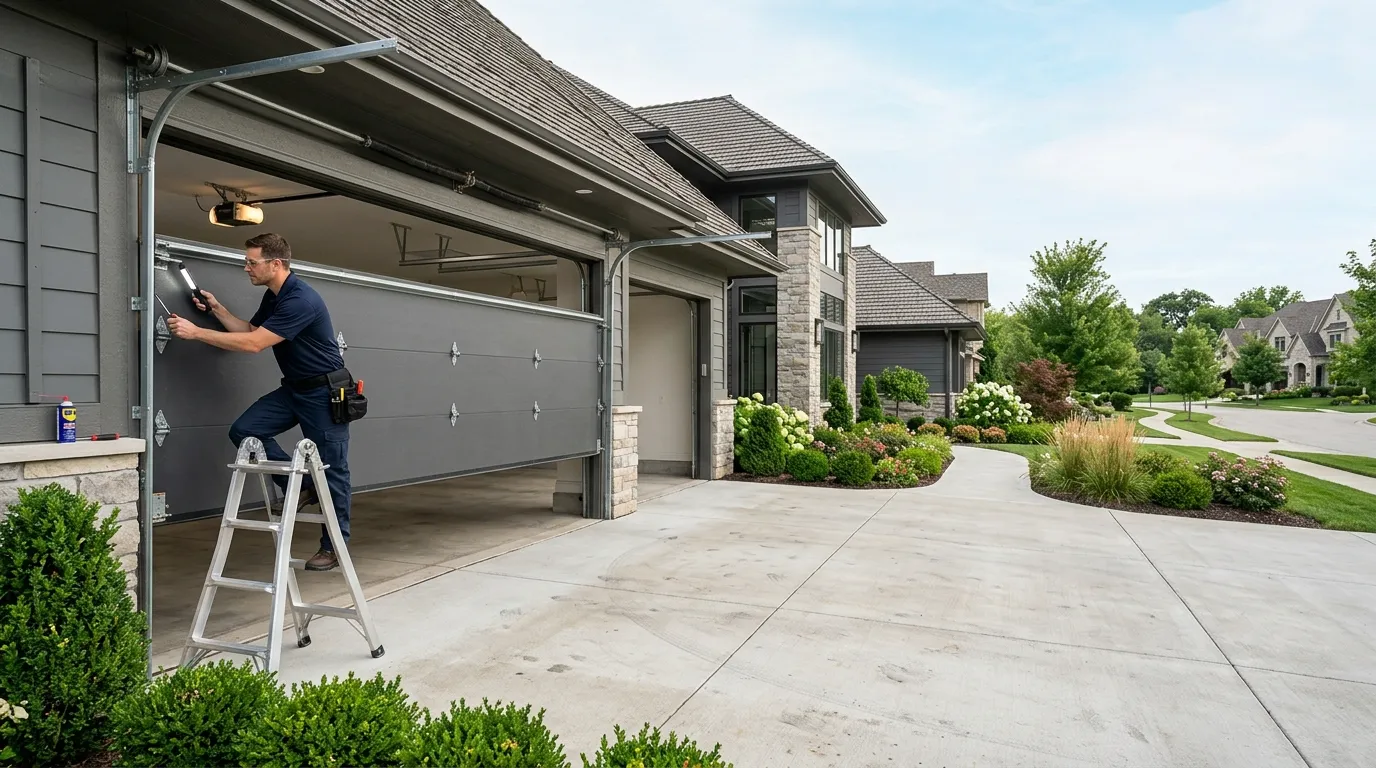
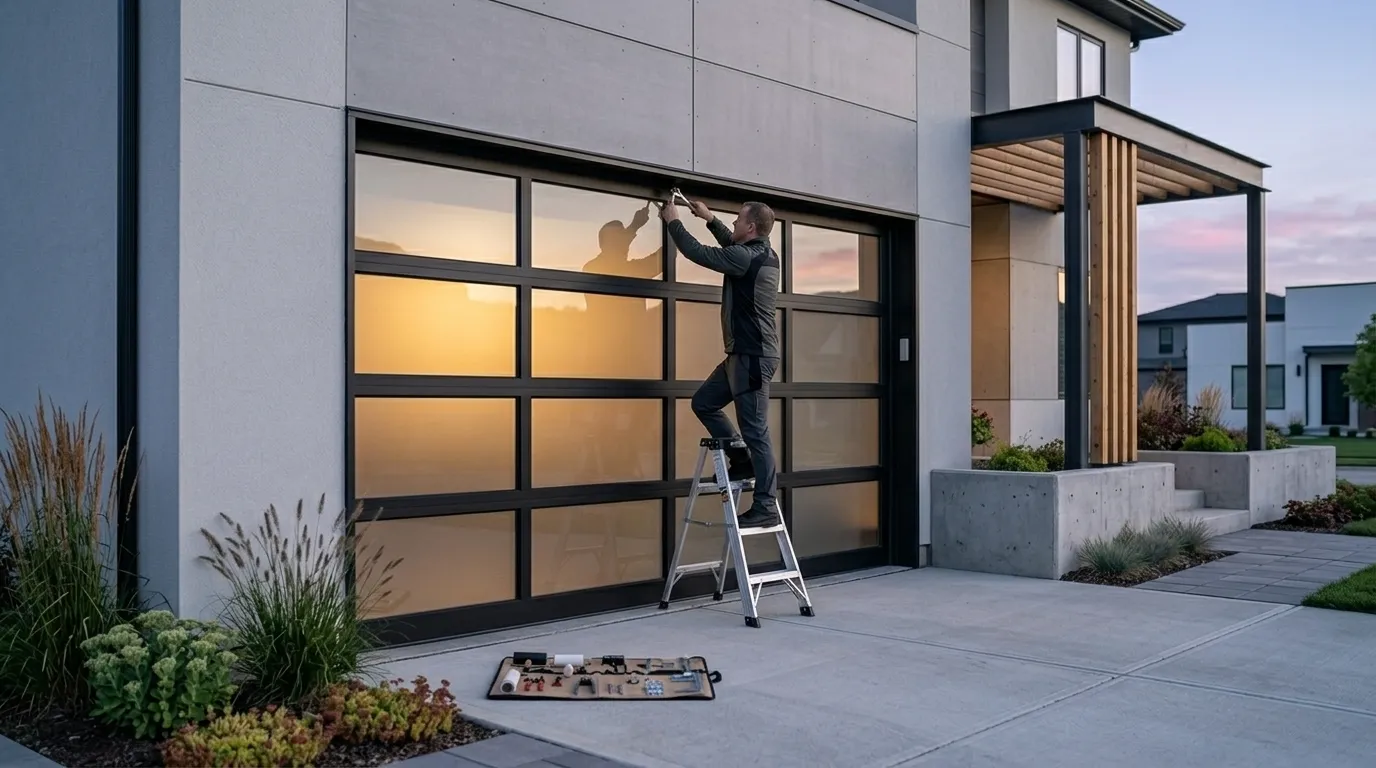
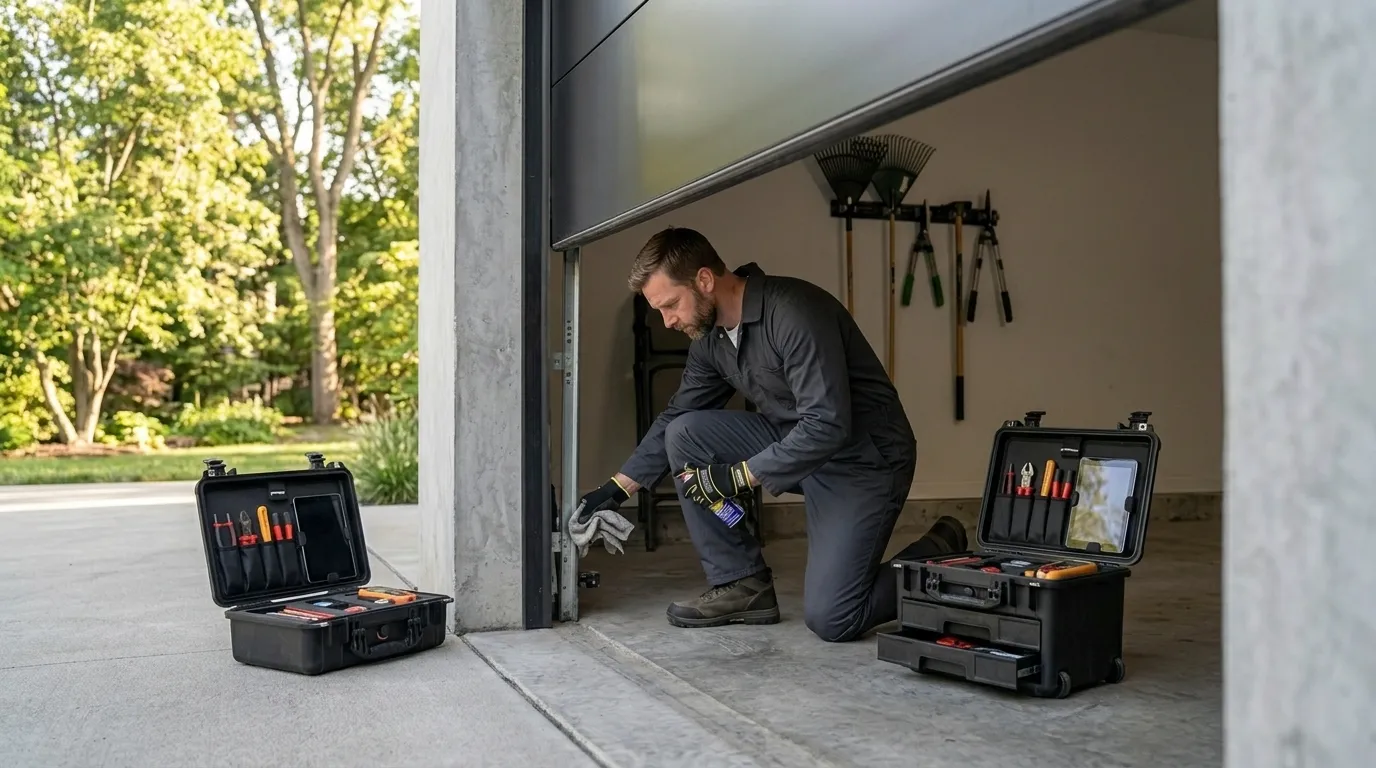
An opener swap follows the same order every time: disconnect and pull the old unit, mount the new rail and motor to the header, wire in the wall control and safety sensors, then set the travel limits so the door seats fully open and closed without slamming or stalling.
We test the auto-reverse with a block under the door before we call it done - that's not optional, it's the one safety check that keeps a closing door from crushing something under it. Remotes and any smartphone pairing get programmed on site so you're not left figuring out a manual after we leave.
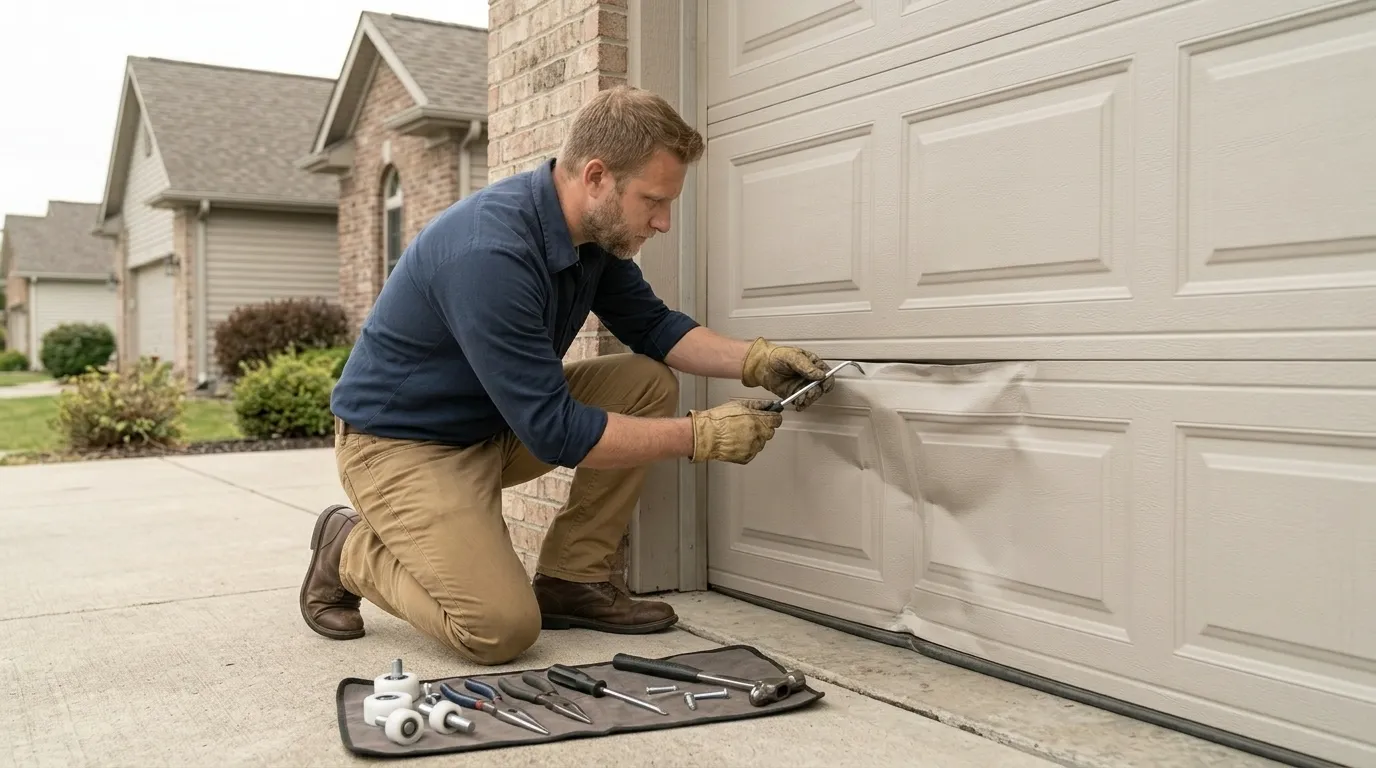
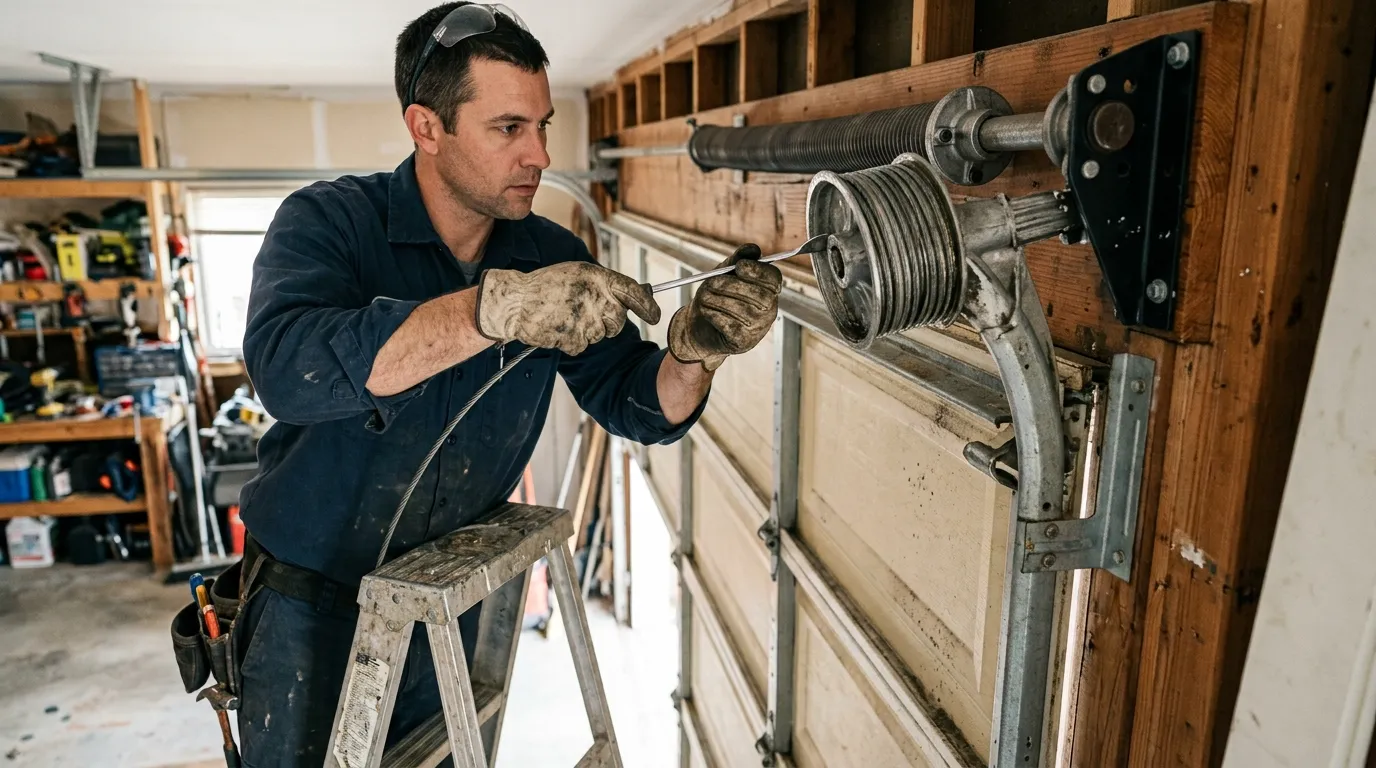
We don't quote a fixed number of hours here because it depends on what's already in the garage - whether the header needs new bracing, whether old wiring has to be replaced, whether the existing track is salvageable or needs to come out with the opener. A straightforward swap onto solid mounting is a different job than one where the header itself has to be reinforced first. We'll tell you which one you've got before we start, not after.
Why This Fails Locally
Most of the housing stock in this area went up between 1969 and 2003, with a lot of it concentrated in 1980s and 90s construction across the seven pockets we work in regularly. Openers from that era are original chain-drive units built around circuit boards that were never designed to sit in an unconditioned garage for thirty-plus years.
That matters because this area sits in a climate band classified as severe heat. A garage ceiling here can run well past the ambient outdoor temperature on a summer afternoon, and that heat cycles the capacitors and solder joints on an opener's logic board every single day. Cold nights and hot days aren't gentle on electronics that were already decades old to begin with.
So the failure pattern we see isn't random wear - it's a predictable outcome of pairing 1980s-era opener hardware with a climate that cooks circuit boards faster than it cooks almost anything else in the house. Newer openers use sealed boards and better heat tolerance, which is part of why replacement, not repair, is usually the right call once a board has already failed once.