Serving Las Cruces, NM & nearby
(575) 240-7658
Las Cruces, NM

Garage Door Repair for Radium Springs' Late-80s Housing Stock

Radium Springs homes mostly went up around 1988. That means late-80s torsion hardware and openers built before today's safety sensors. We drive out from Las Cruces to fix it.

Garage Door Repair for Radium Springs' Late-80s Housing Stock
Las Cruces, NM
7 services
6 service areas
Diagnosis first, then the fix

Stocked Parts

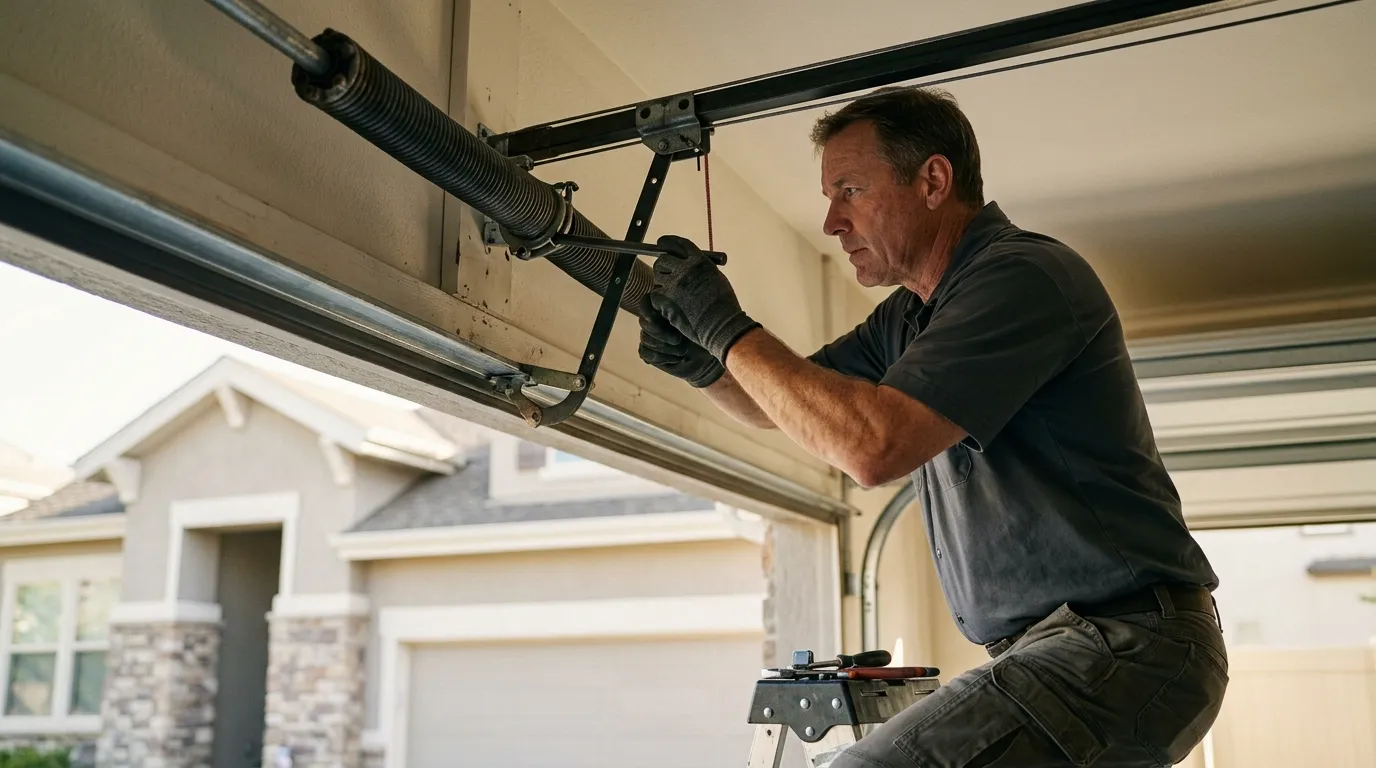
Most houses out here went up around 1988, in the same stretch when a lot of the wider Las Cruces service area was building out between 1969 and 2003 with a median around 1986. That matters for parts. A door installed in the late 80s is running a torsion spring sized for steel panel weights that were standard then, and an opener from that era - if it hasn't already been swapped once - predates the photo-eye safety sensors that became standard later. We carry torsion springs across the common sizes from that period, plus 2-inch and 3-inch rollers, standard-lift cable, and the safety sensor kits that get retrofitted onto older openers when a homeowner wants to keep the door but bring the opener up to a safer setup. What we don't carry on the truck is anything custom or oversized - if a door has been modified with a nonstandard track or panel width somewhere along the line, that's a special order, and we'll tell you the lead time before we start rather than after.

The DIY Question

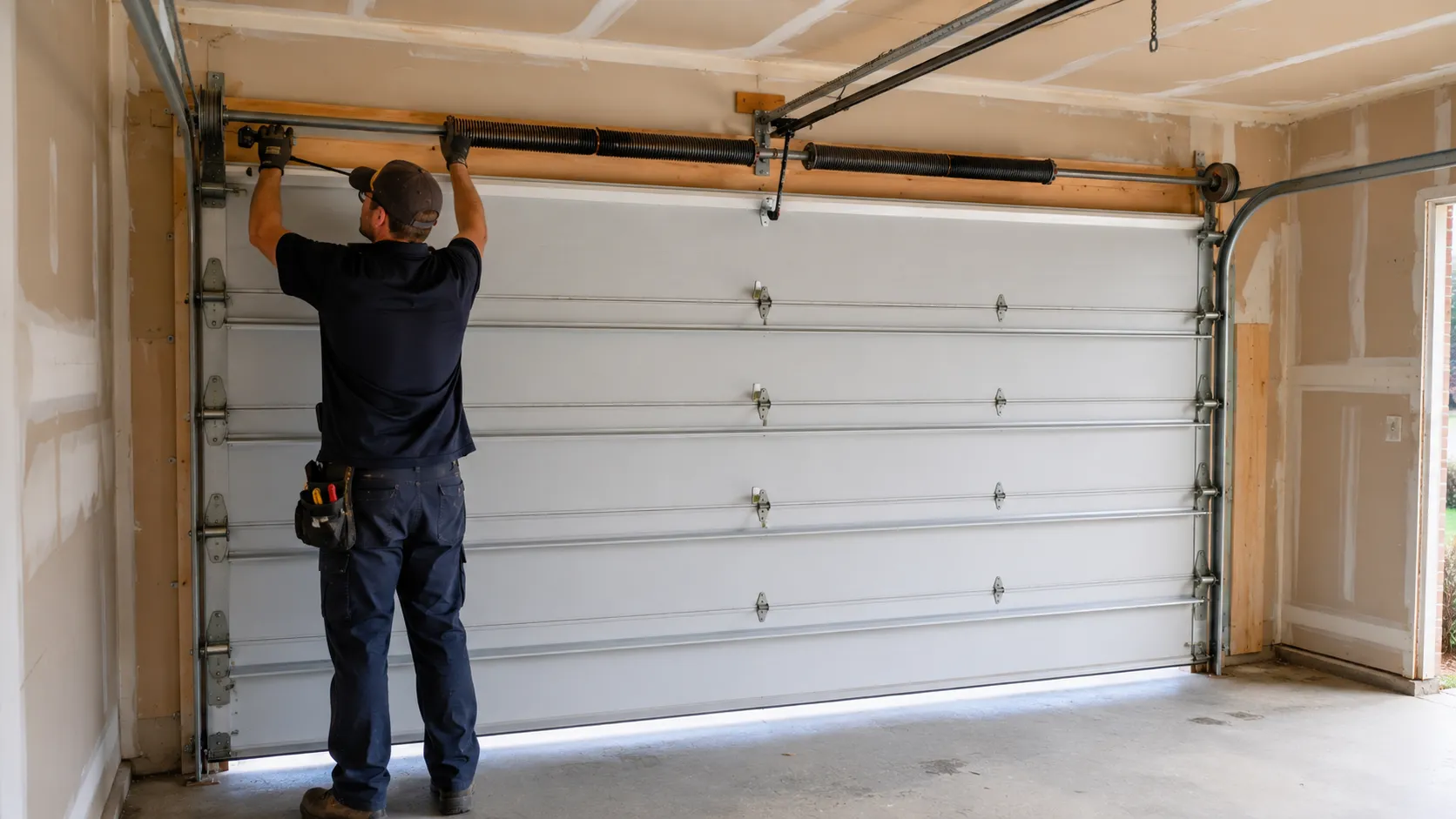
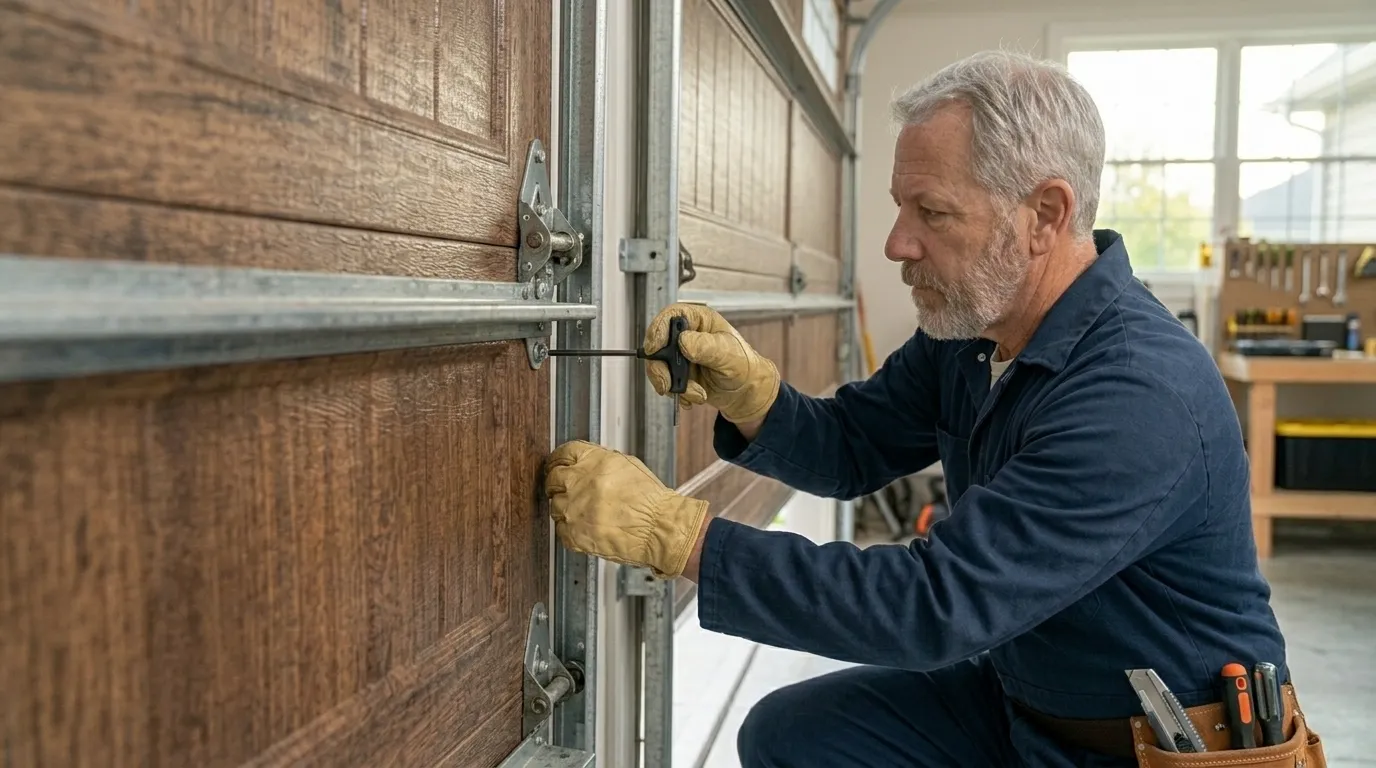
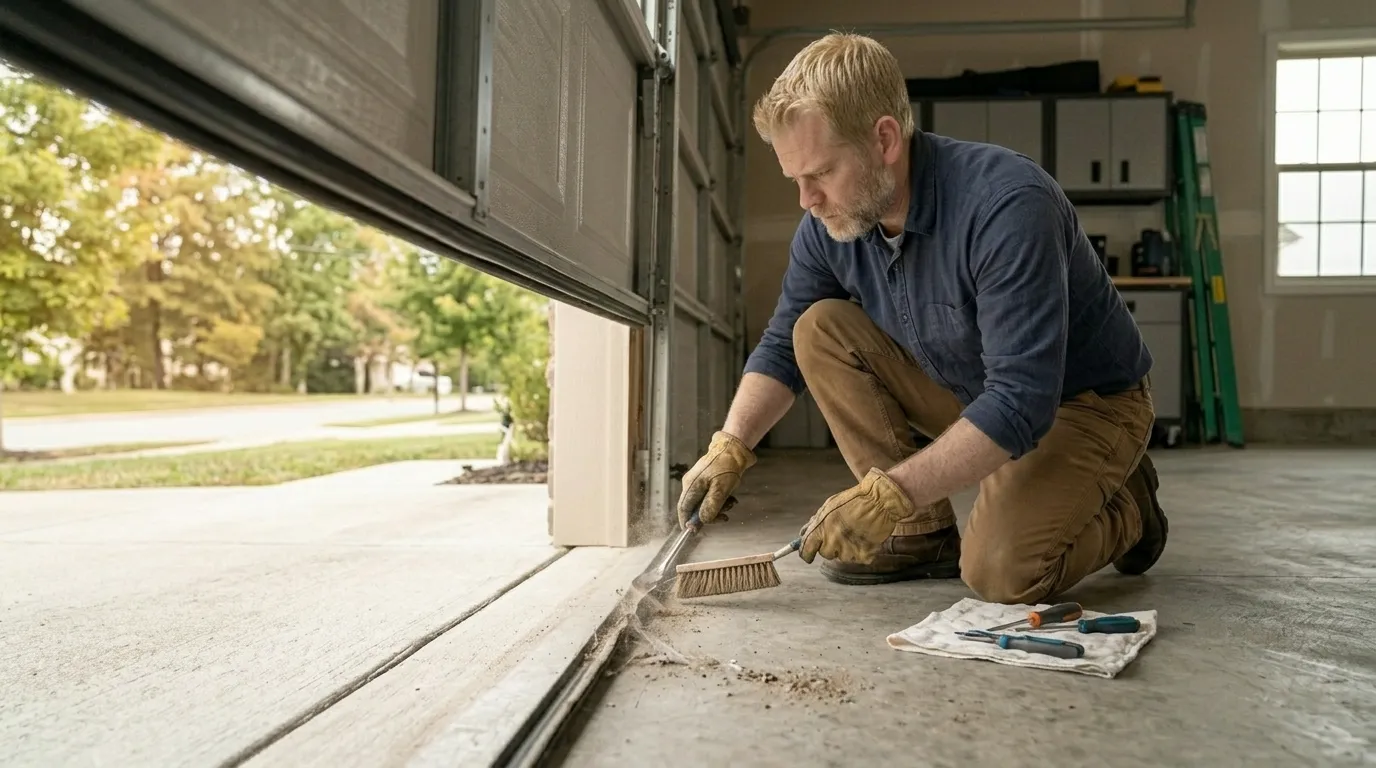
A torsion spring under full tension can put someone in the hospital, and on a late-80s door that spring has had over three decades to fatigue. If your door won't open and you can see a gap in the coil, or the spring looks stretched or twisted wrong, that's not a project for a Saturday afternoon - call it in. Where DIY makes sense: replacing worn rollers on a door that still opens fine, tightening loose hardware, lubricating hinges and track. Where it doesn't: springs, cables, or anything involving the opener's electrical connection on a system old enough that the wiring may not match what's in a modern how-to video. If you're not sure which category you're in, describe what you're seeing when you call and we'll tell you straight whether it's safe to handle yourself.

What Can Go Wrong

This area sits in a severe heat climate, and heat is hard on garage door hardware in ways owners don't expect. Steel panels expand and contract, which loosens hinge bolts and track brackets over years of cycling. Lubricant on rollers and hinges breaks down faster in sustained high heat, so a door that was quiet in spring can start grinding by August. Openers suffer too - the drive belt or chain sees more friction, and the motor works harder to lift a door whose spring tension has drifted from thermal cycling. On the late-80s stock common here, we also see torsion springs that have simply reached the end of their working life - they were rated for a certain number of cycles, and a door original to a 1988 build has put a lot of cycles through that coil. None of this is unique to any one house; it's what three-plus decades of heat and use does to hardware built to the standards of that period.

How It Shows Up

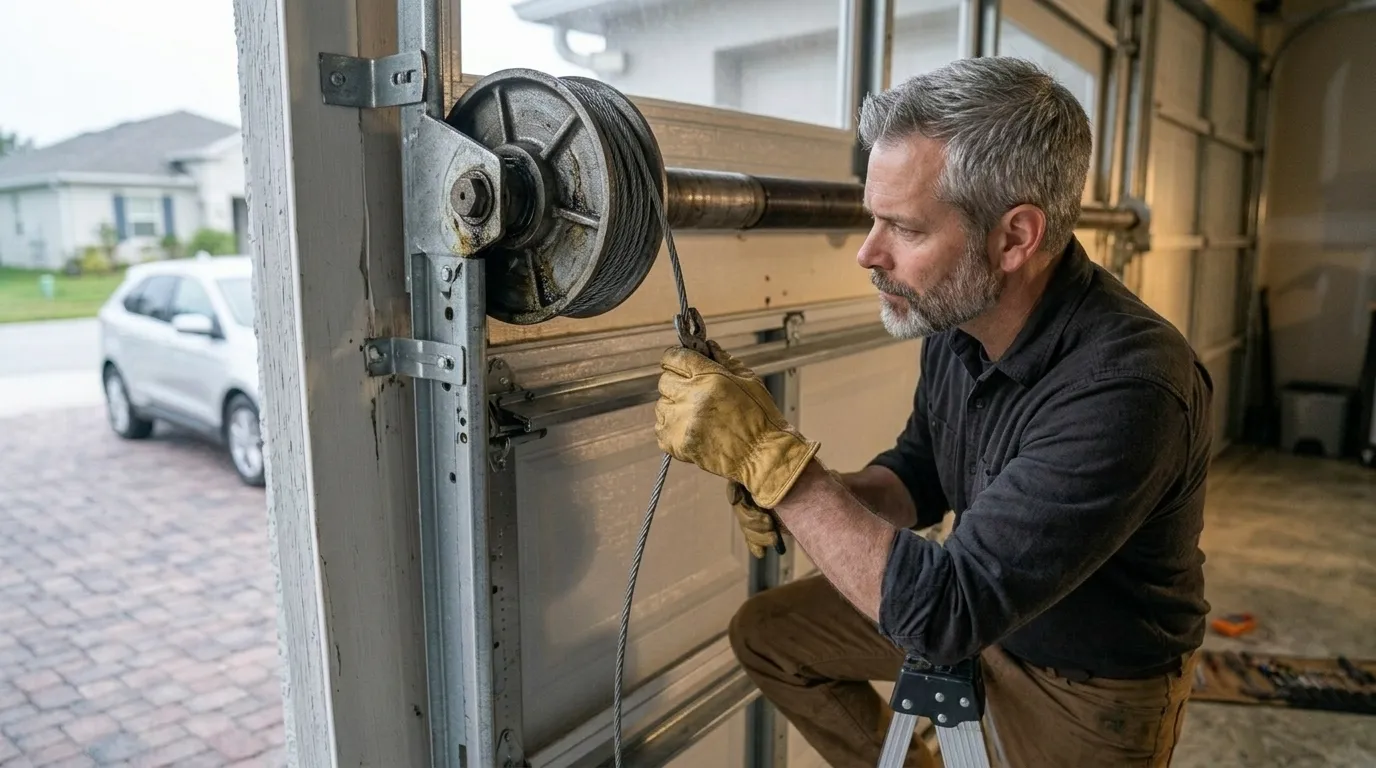
The signs are usually mechanical before they're total failure. A door that used to lift smoothly starts hesitating partway up, or the opener strains and reverses instead of finishing the cycle - that's often a spring losing tension, not the opener dying. A grinding or popping sound on the way up points to rollers or worn track, especially on doors that haven't had a roller change since they were installed. If the door drops faster than it used to on the way down, don't ignore that; it usually means the spring is no longer doing its job of controlling the descent, and that's a safety issue, not just an annoyance. Sensors that flicker or an opener light that blinks without a clear cause often trace back to an older photo-eye setup rather than anything wrong with the door itself.

Time on the Job

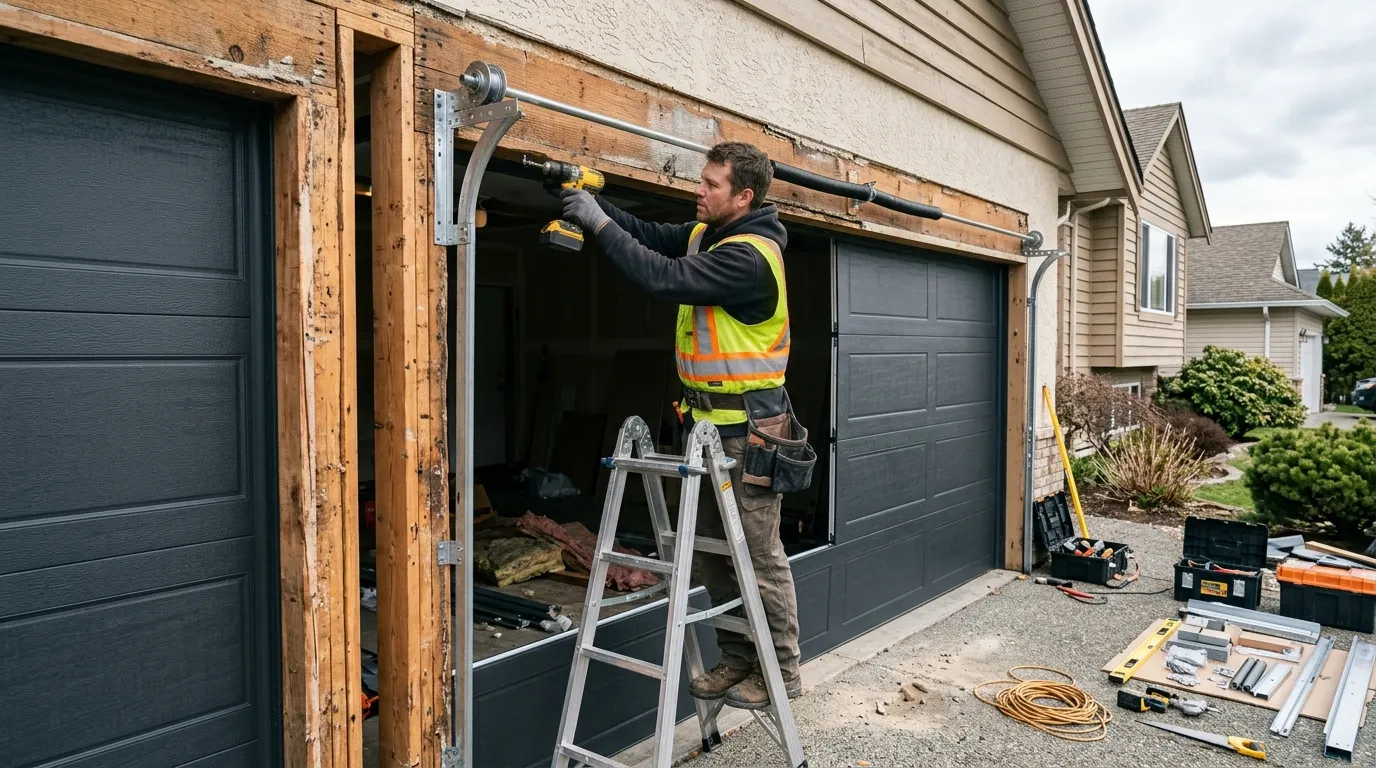
Radium Springs is about 12 miles out from our Las Cruces base, so factor that into when you call versus when we can be there - we're not sitting on a truck around the corner. Once we're on site, most spring replacements and roller jobs on a standard residential door run within a normal service window; a full opener swap takes longer because of the wiring and safety sensor alignment. If a part isn't one we carry on the truck - which happens more often with older or modified doors - we'll tell you that up front rather than have you wait at home for a part that hasn't arrived yet.

Booking a Visit

Median household income out here runs around $50,000, in line with the service area overall, and we quote the job before we start work so you're not guessing at cost. Tell us the age of the door if you know it, or just describe what's happening - grinding, drooping, an opener that strains - and we'll bring the right parts for a late-80s setup rather than showing up and having to make a return trip. Given the drive out from Las Cruces, booking ahead when the door is behaving badly but not yet broken usually beats waiting for a full stop.
How it works

From “it’s stuck” to “it’s fixed”

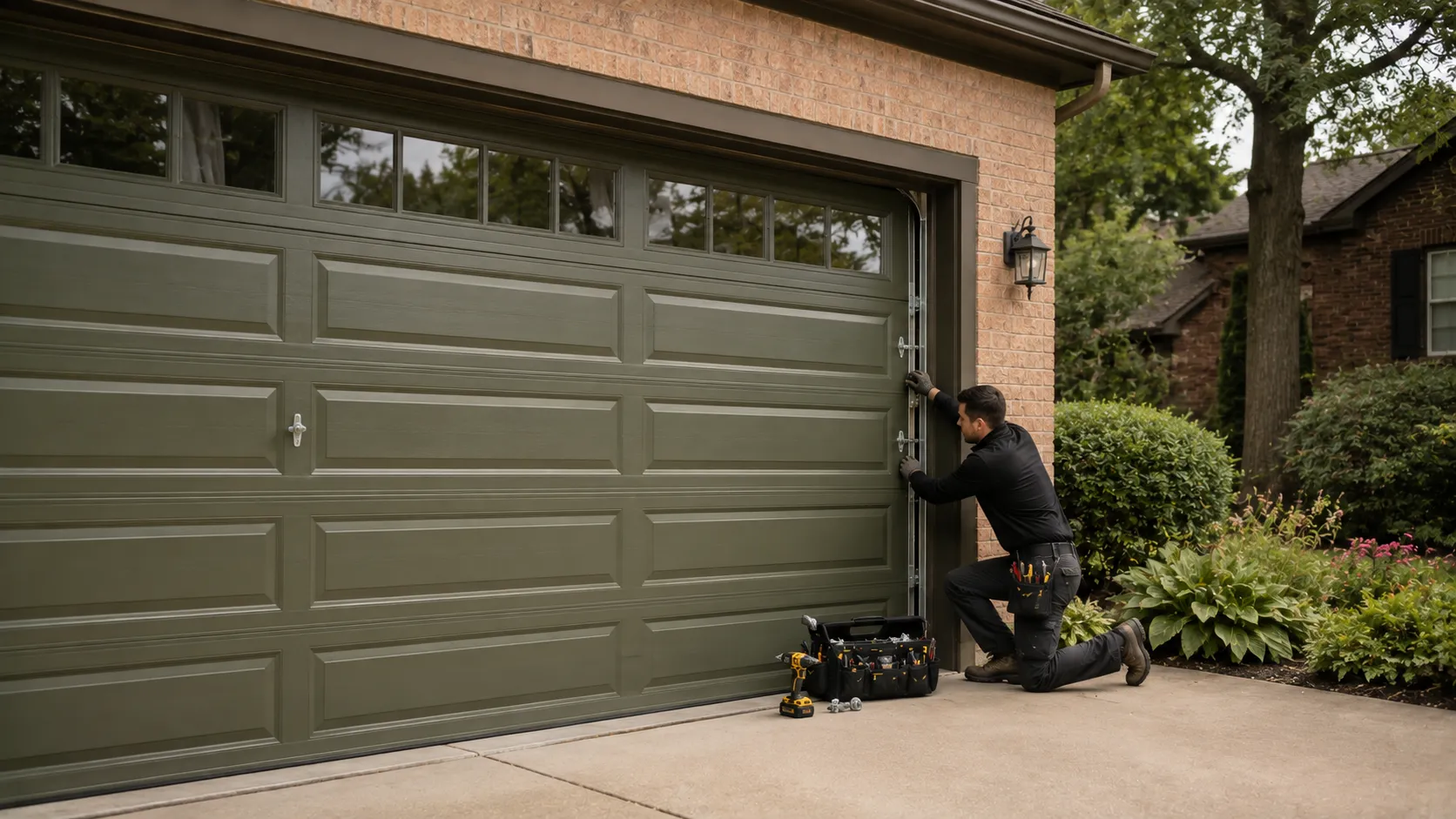
Tell us what’s wrong - Las Cruces garage door service

Tell us what’s wrong

Describe the symptom - won’t open, loud bang, opener runs but the door won’t move.

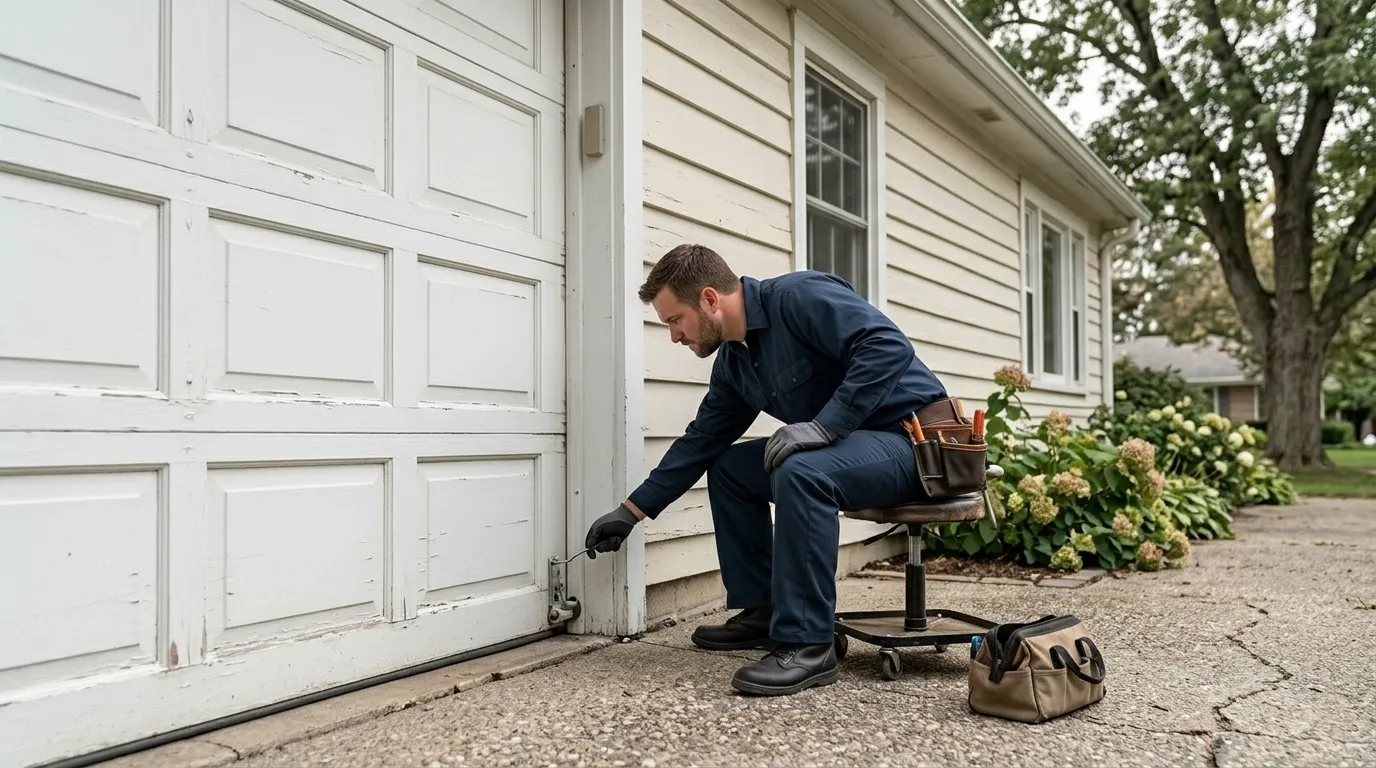
On-site diagnosis - Las Cruces garage door service

On-site diagnosis

A technician tests the door under power and by hand and finds what actually failed.

Clear, up-front plan - Las Cruces garage door service

Clear, up-front plan

You get the fix that’s needed and what drives the cost - before any work starts.

Repaired & tested - Las Cruces garage door service

Repaired & tested

The repair is done, the door is set true and tested, and the work area left clean.

Next step

Serving Las Cruces, NM - tell us what your door’s doing and we’ll take it from there.

How we work

What to expect

  • Diagnosis firstEvery visit starts by finding what actually failed - not a pre-written parts list.
  • The right part for the doorSprings and openers matched to the door’s weight and age, so the fix holds up.
  • Straight answersWhen a repair makes more sense than a replacement - or the reverse - you hear it plainly.
  • Clean, careful workTension released safely, hardware set true, the door tested under power before we leave.
Residents in Las Cruces
Garage door services
Neighborhoods & suburbs
Serving Las Cruces, NM
101,643
7
6
NM
Questions

Frequently asked

Straight answers about garage door repair in Las Cruces. Still unsure? Ask us directly.

Why does my opener not have a working safety sensor?

If your house was built around the late 1980s and the opener is original, it likely predates the photo-eye safety sensors that became standard later. We stock retrofit sensor kits and can add them to most older openers without replacing the whole unit, which brings the door up to current safety practice without the cost of a full opener swap.

How far out is Radium Springs from your shop?

About 12 miles from our Las Cruces base. We travel out for service calls; there's no local branch or depot here, so it helps to describe the problem clearly when you call so we bring the right parts on the first trip.

Is the heat here actually hard on garage doors?

Yes. This area sits in a severe heat climate zone, and sustained high temperatures dry out lubricant, loosen hardware through repeated expansion and contraction, and shorten the working life of torsion springs. Doors here often need lubrication and hardware checks more often than the same door would in a milder climate.

My door is original to a 1988 build - is that a problem?

Not automatically, but a torsion spring rated for a certain number of open-close cycles has been working for over three decades on a door that age. If you're hearing grinding, seeing sag, or the door drops fast on the way down, it's worth having the spring and hardware checked rather than waiting for it to fail outright.

Ready to get your garage door sorted?

Tell us what it’s doing and where you are in Las Cruces - we’ll take it from there.

Request a QuoteCall