What Can Go Wrong
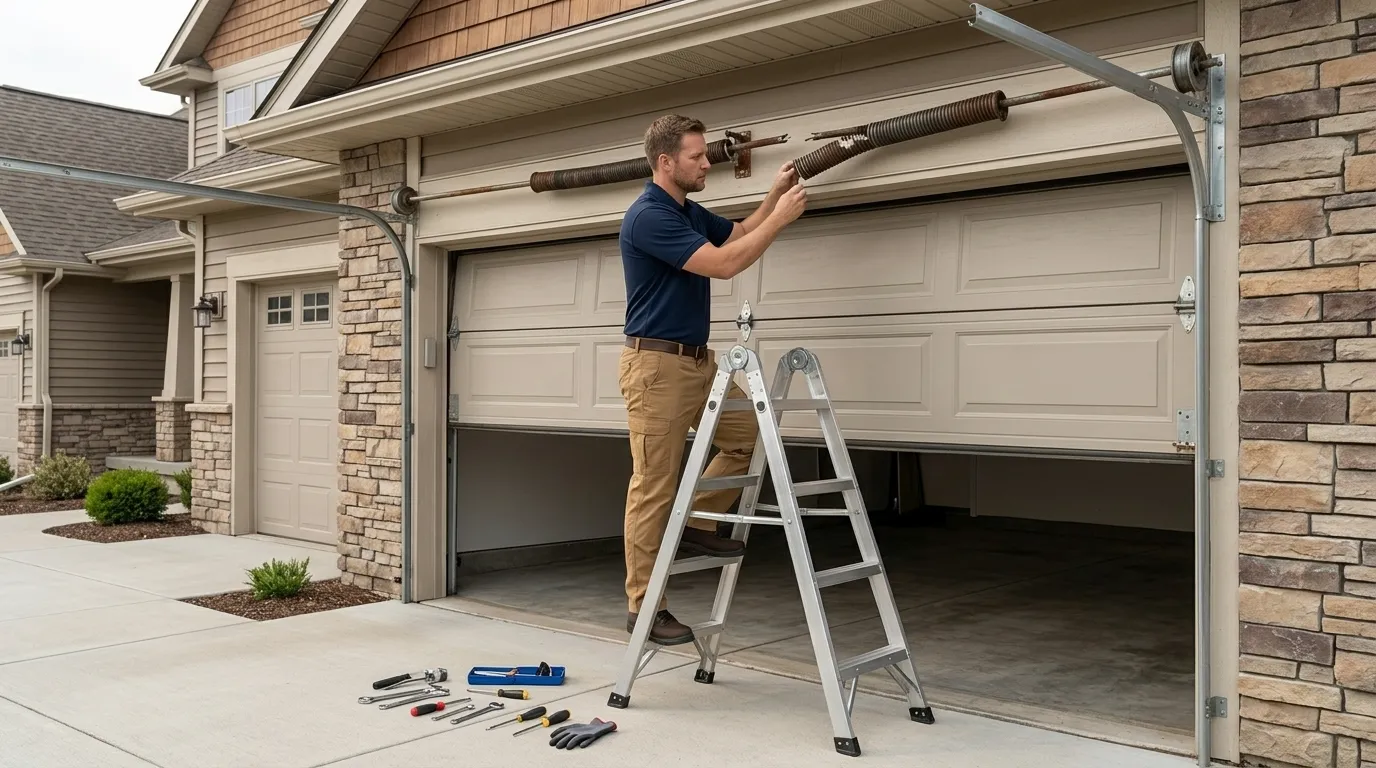
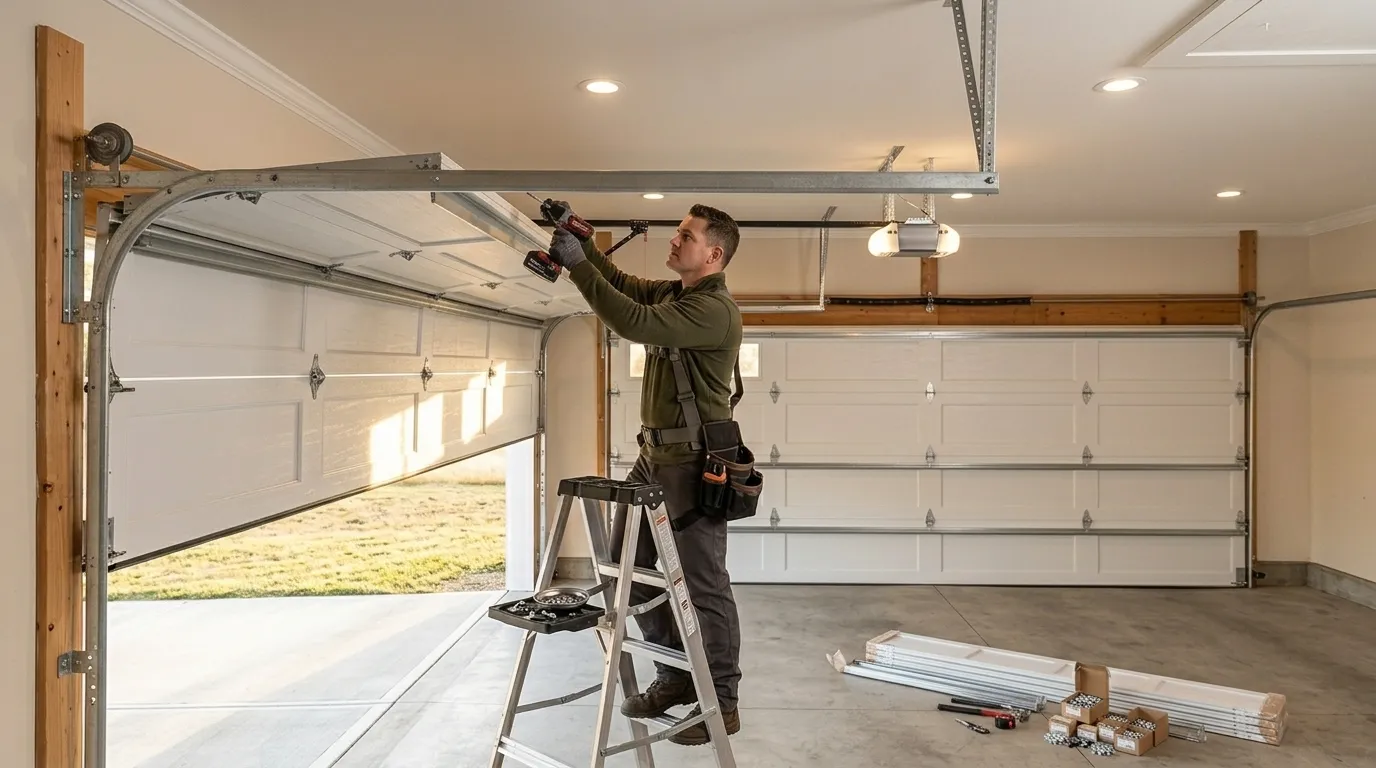
Torsion springs are the most common failure on a 1994-era door - they've had thirty years of summer heat cycling them, and heat-hardened grease means more friction on every open and close. A spring that's been slowly losing tension will make the opener work harder, which shows up as slower travel or a motor that strains before the door clears halfway.
Opener circuit boards are the other heat casualty. Boards mounted in an unconditioned garage that regularly tops out in severe summer heat degrade faster than the same part would in a milder climate - capacitors especially. That shows up as an opener that works intermittently, or a remote that stops talking to the unit on the hottest afternoons and comes back fine after dark.
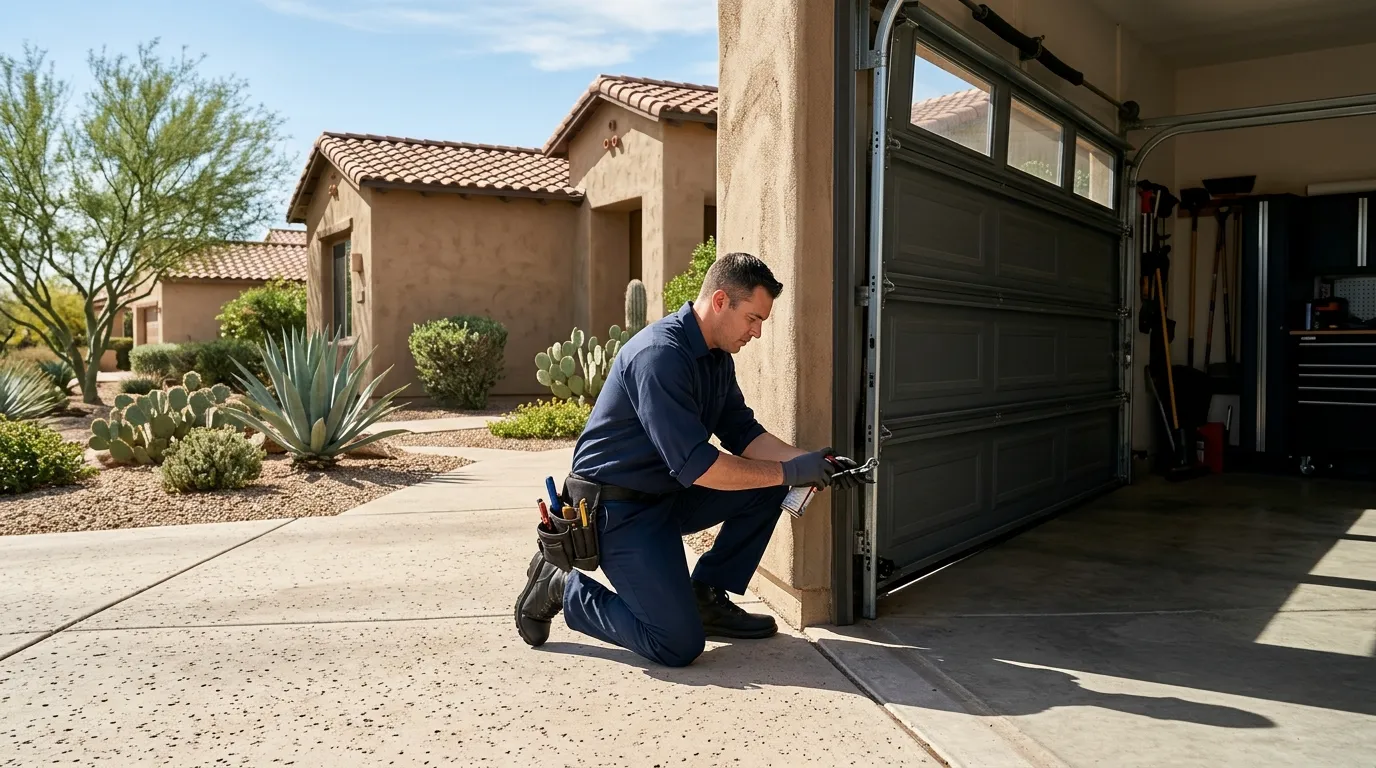
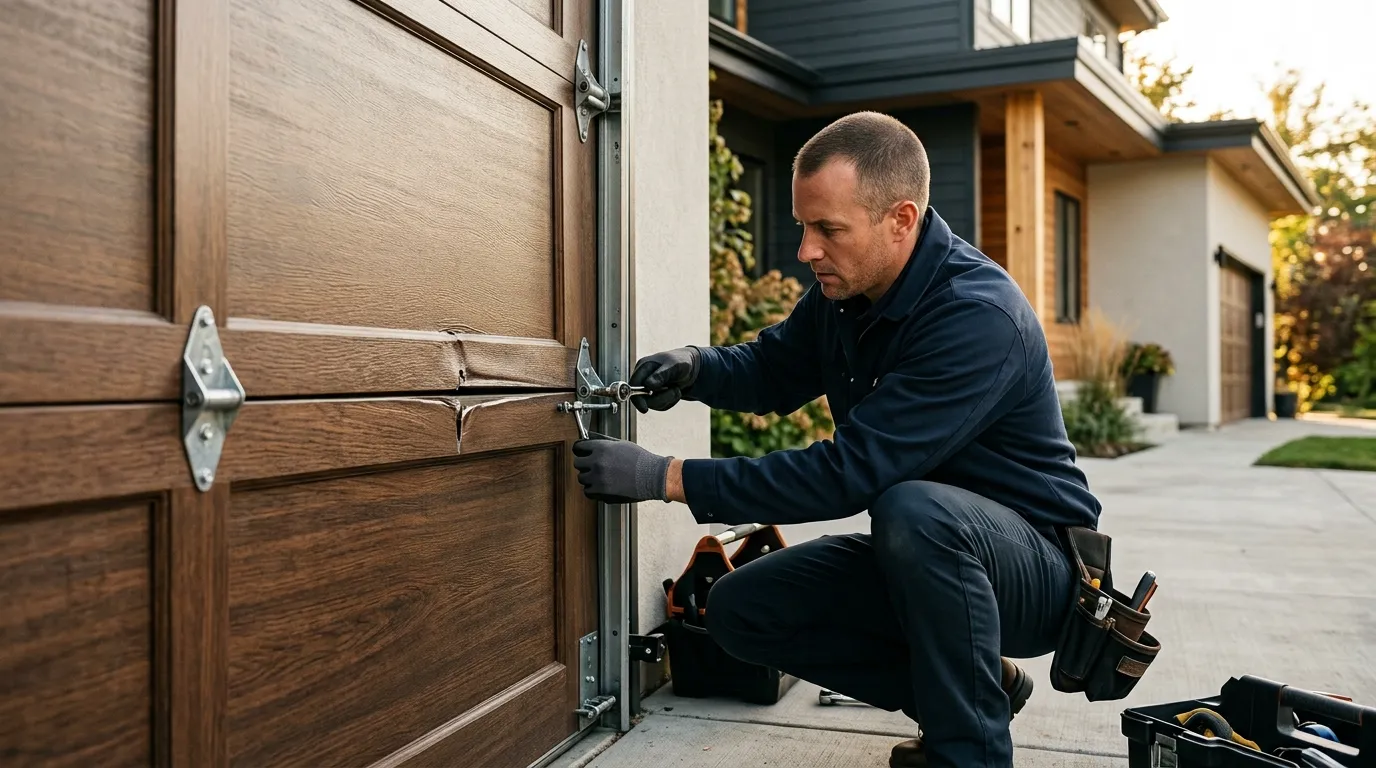
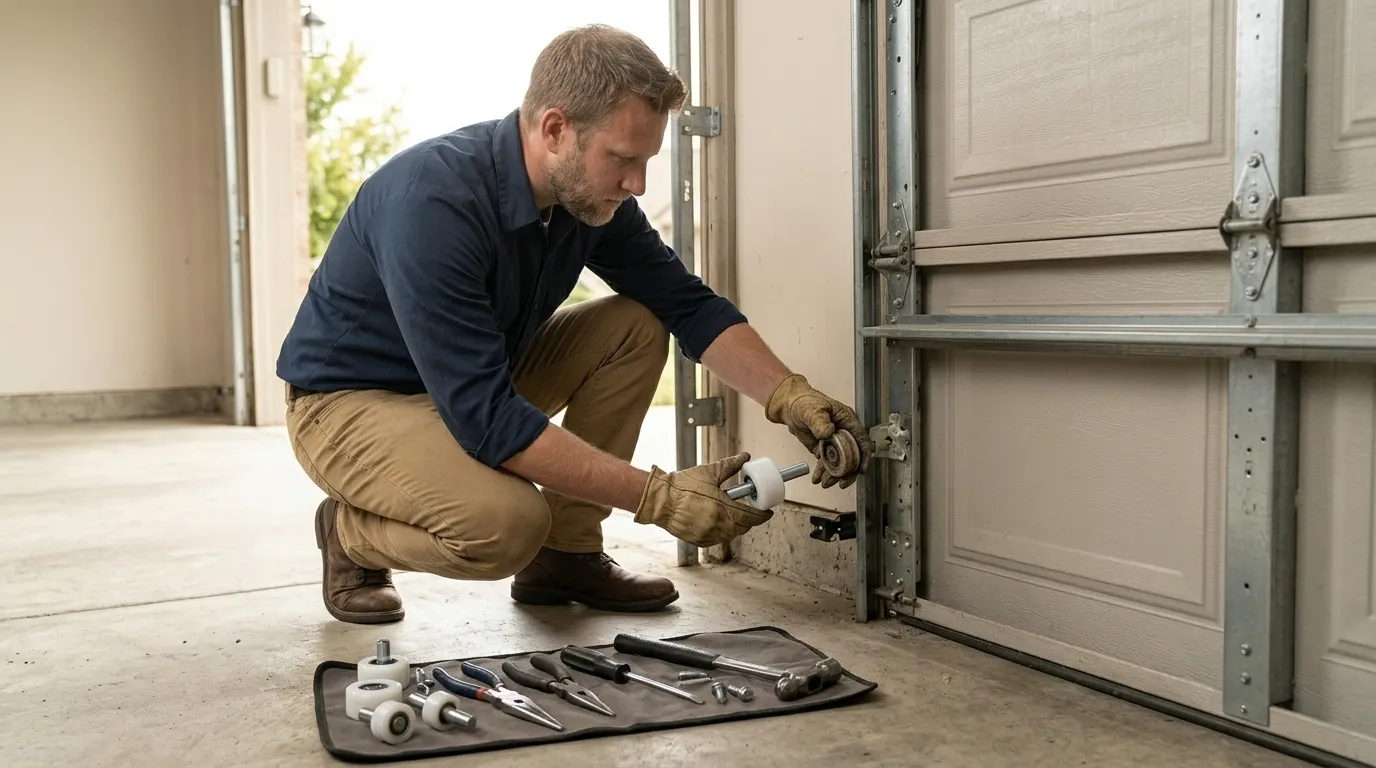
Rollers and hinges wear from the same cause: heat-thinned lubricant lets steel wear on steel. On a door original to 1994 construction, that's original hardware pushing three decades, and it's common to see roller wear well before spring failure on doors that get opened several times a day.
Cables fray from the same UV and heat exposure if any run outside the drum housing. None of this is dramatic until the day a spring lets go under tension or a cable snaps mid-cycle - both of which stop the door wherever it happens to be.
The DIY Question
A torsion spring under full tension can break a hand or worse if you're not using the right bars and the door isn't secured. That's true on any door, any town, any year - it's not specific to Mesquite, and it's the one place worth being blunt about a limit: this isn't a job to learn on your own garage.
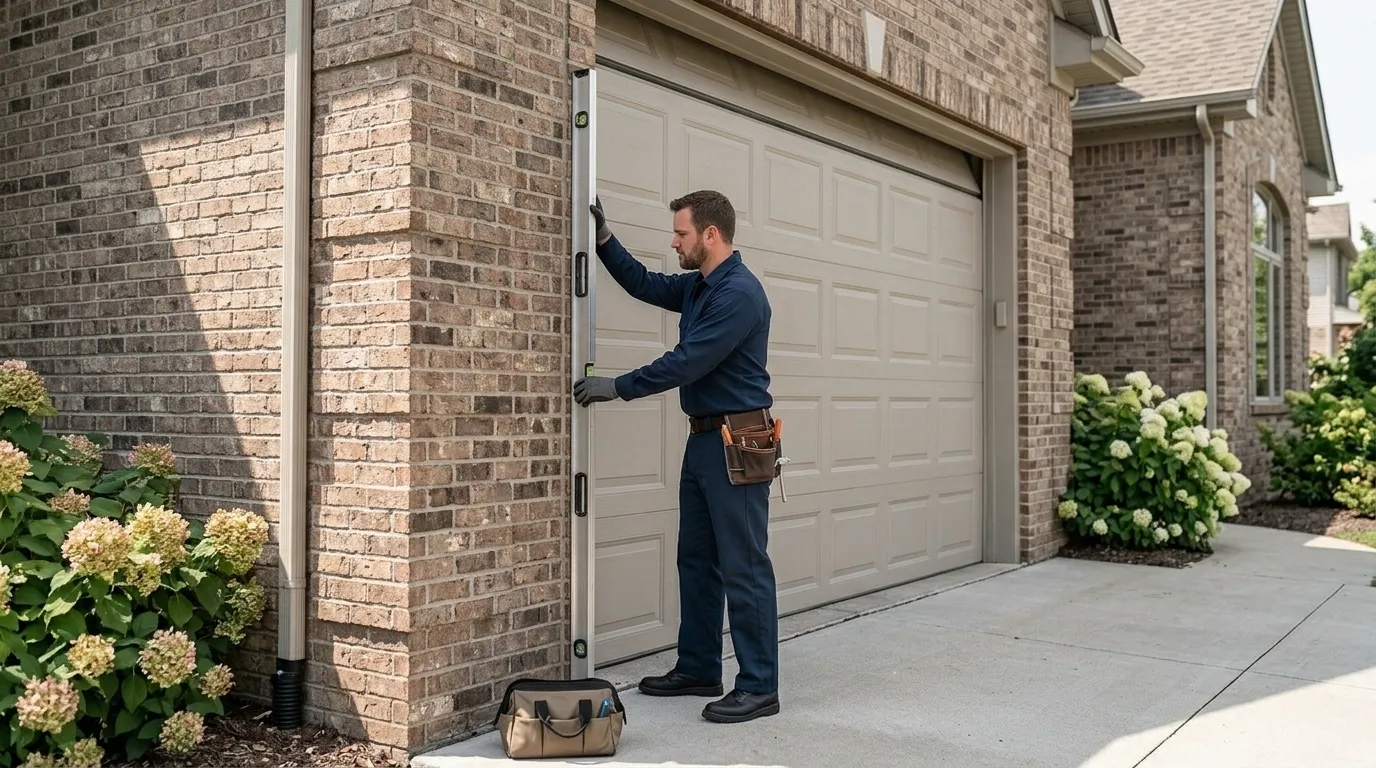
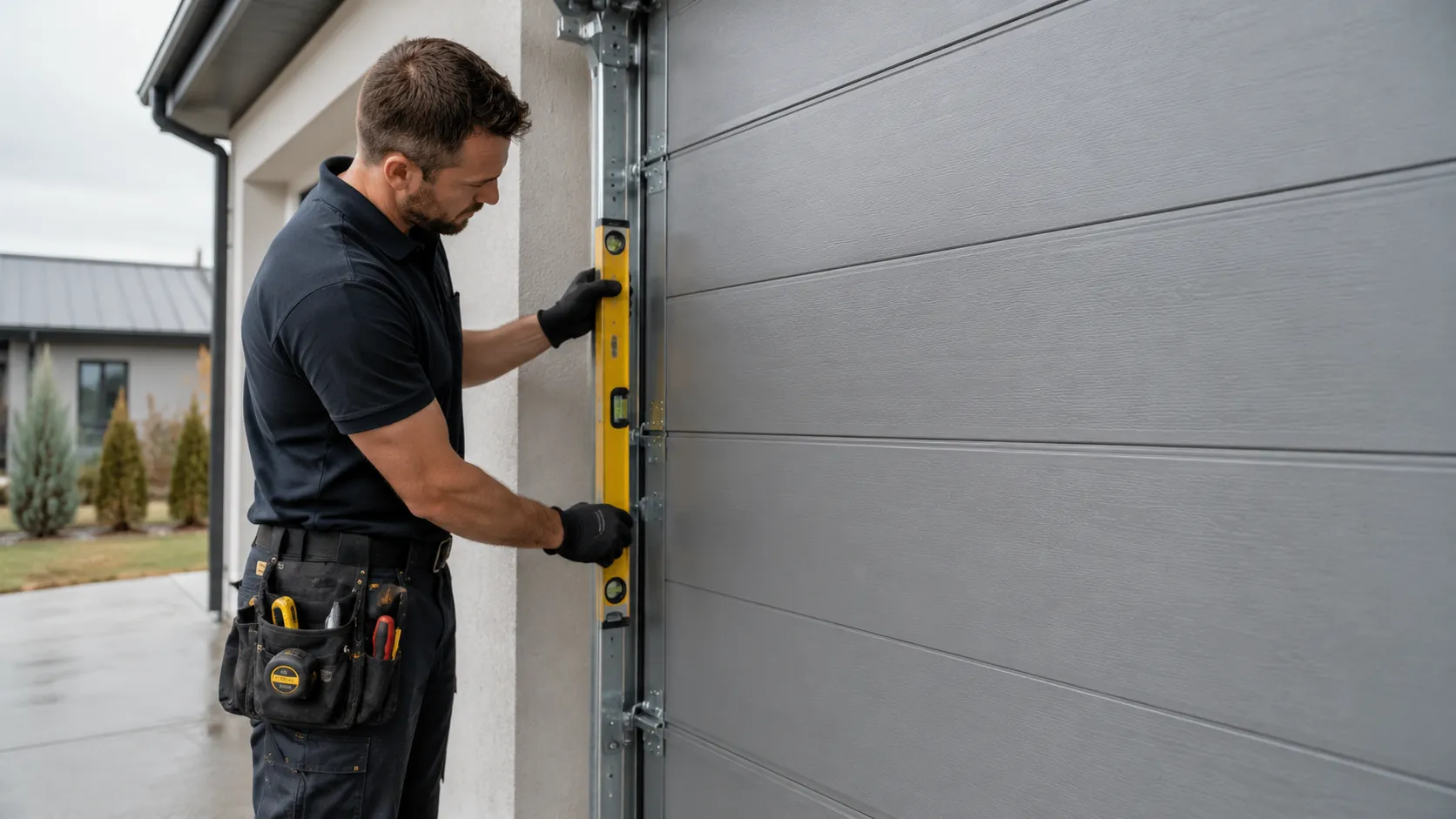
What is reasonable to check yourself: whether the tracks are visibly bent, whether the rollers look worn or cracked, whether the opener's safety sensors are aligned and not blinking an error code. Those are things you can see without touching a spring.
Here's the honest limitation on the Mesquite end specifically - with only 302 households in this area, it's a small enough market that not every door size or spring wind gets carried on the truck by default. A common 16-foot double with a standard torsion spring is a same-visit fix most of the time. A less common size or an older extension-spring setup carried over from before 1994 construction sometimes means a second trip once the right part is in hand. That's a lead-time issue, not a difficulty issue, and it's worth knowing before you call.
Stocked Parts
The truck carries what fits the housing that's actually out there - and across the seven named areas of this service territory, that's mostly 1980s and 90s construction, which means standard torsion springs sized for steel sectional doors, common roller and hinge sets, and openers compatible with the boards that were standard through the 90s and into the 2000s.
For Mesquite specifically, where the median build year runs around 1994, that stocked inventory covers the majority of calls without a second trip - a standard double-door torsion spring, a roller set, a logic board swap. Where it doesn't cover is anything unusual: a nonstandard door width, an older extension-spring setup carried over from construction that predates the neighborhood's main build years, or a specialty insulated panel. Those get ordered rather than pulled off the truck.
That's the honest limitation worth stating plainly: this isn't a warehouse, it's a truck stocked for the housing stock that's typical of the area, and typical covers most but not all of what shows up at a given door.