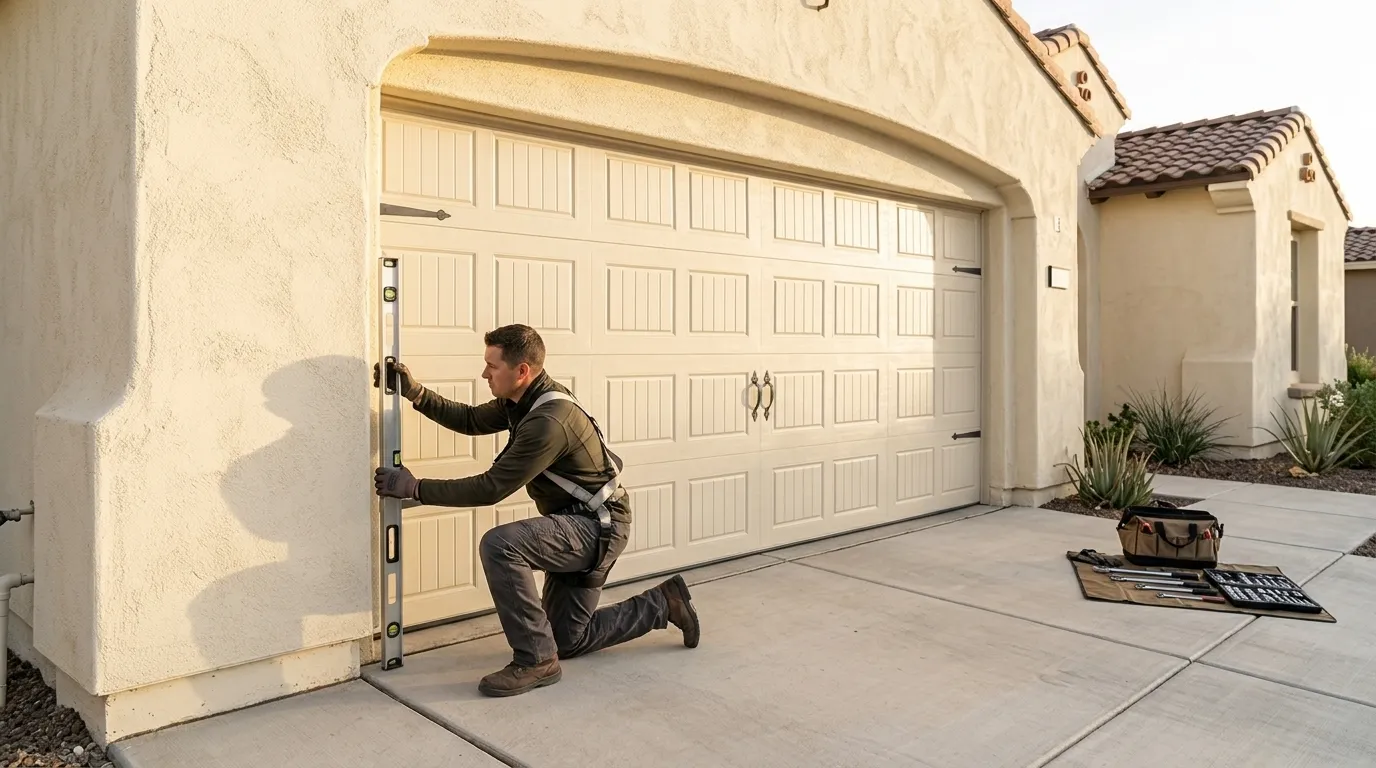
University Park sits four miles from Las Cruces, with homes built around 1973 - older stock than much of the service area, and hard on the desert heat.
Most homes in University Park went up around 1973, a decade before the wider Las Cruces service area's median build year of 1986. While the bulk of that service area's stock dates to the 1980s and 90s across its named neighborhoods, this pocket is older, which means original torsion or extension spring setups, painted steel panels that have taken forty-plus summers of sun, and hardware nobody has made in the same style for years.
The area sits in a climate zone rated for severe heat, and that heat is what actually kills a spring before its rated cycle count. Metal fatigues faster when it's baking against a stucco wall all afternoon. On doors this age, we also see dried-out rollers, tracks that have shifted a hair out of plumb over the decades, and openers that were never designed for today's safety reversal standards.
We won't tell you every door here is on its last leg. Plenty of these original doors are structurally sound and just need the moving parts serviced. But if a spring on a door like this lets go, it's often the older, heavier-gauge kind, and that's not a DIY fix.
Booking a Visit
University Park sits four miles from our shop in Las Cruces, close enough that a maintenance visit doesn't eat half a day in windshield time. We don't keep a branch or a drop box out here - every job comes off a truck that starts its route in Las Cruces, so the visit gets scheduled like any other stop on that day's list rather than treated as a special trip.
Because this is a small pocket - about 151 households, compared to roughly 3,349 across the full service area and 1,317 owner-occupied houses in that wider count - we're not running a high volume of calls through here on any given week. That's fine. It just means booking ahead gets you a better slot than trying to catch a same-day gap.
When you call, tell us the rough age of the house if you know it. On a door built anywhere near 1973, we bring different spring stock and different roller sizes than we would for a 1990s build, and knowing that ahead of time saves a second trip.
How We Fix It
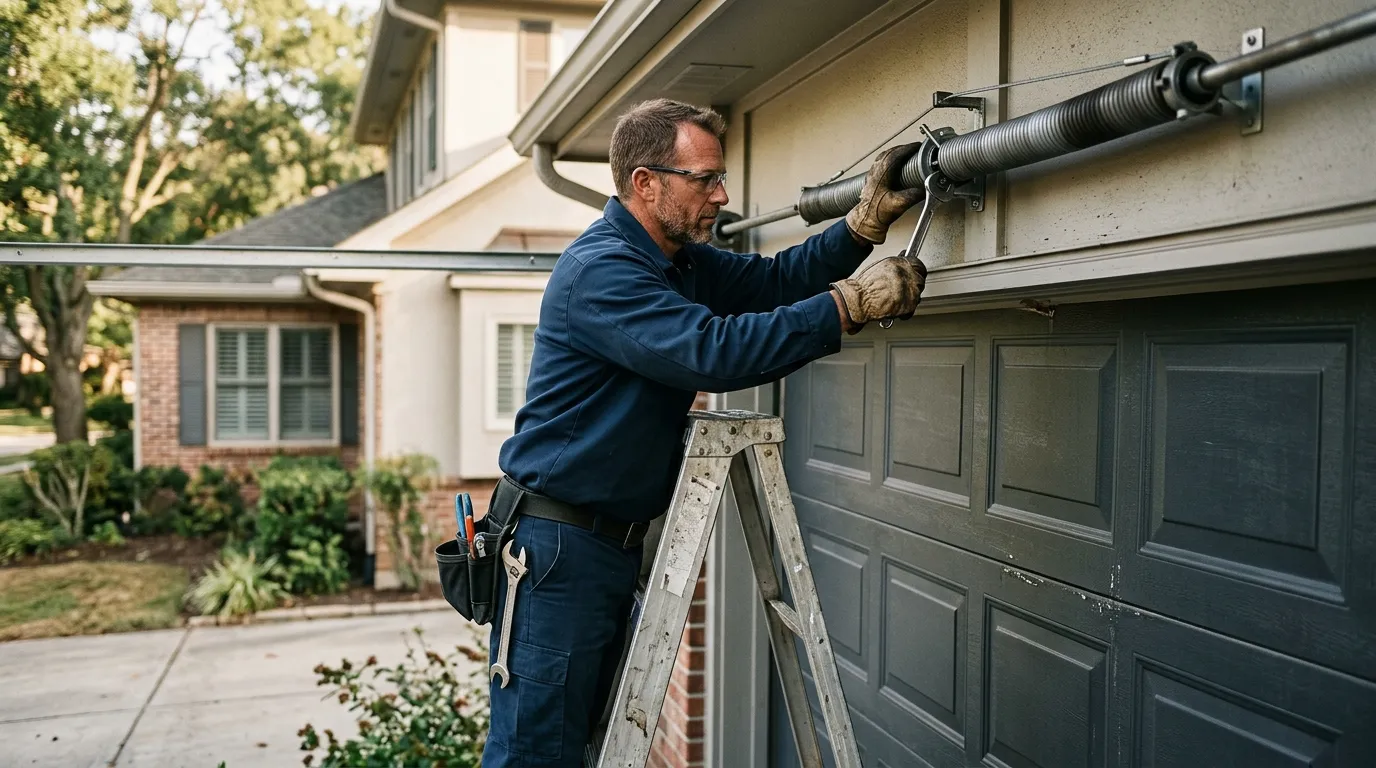
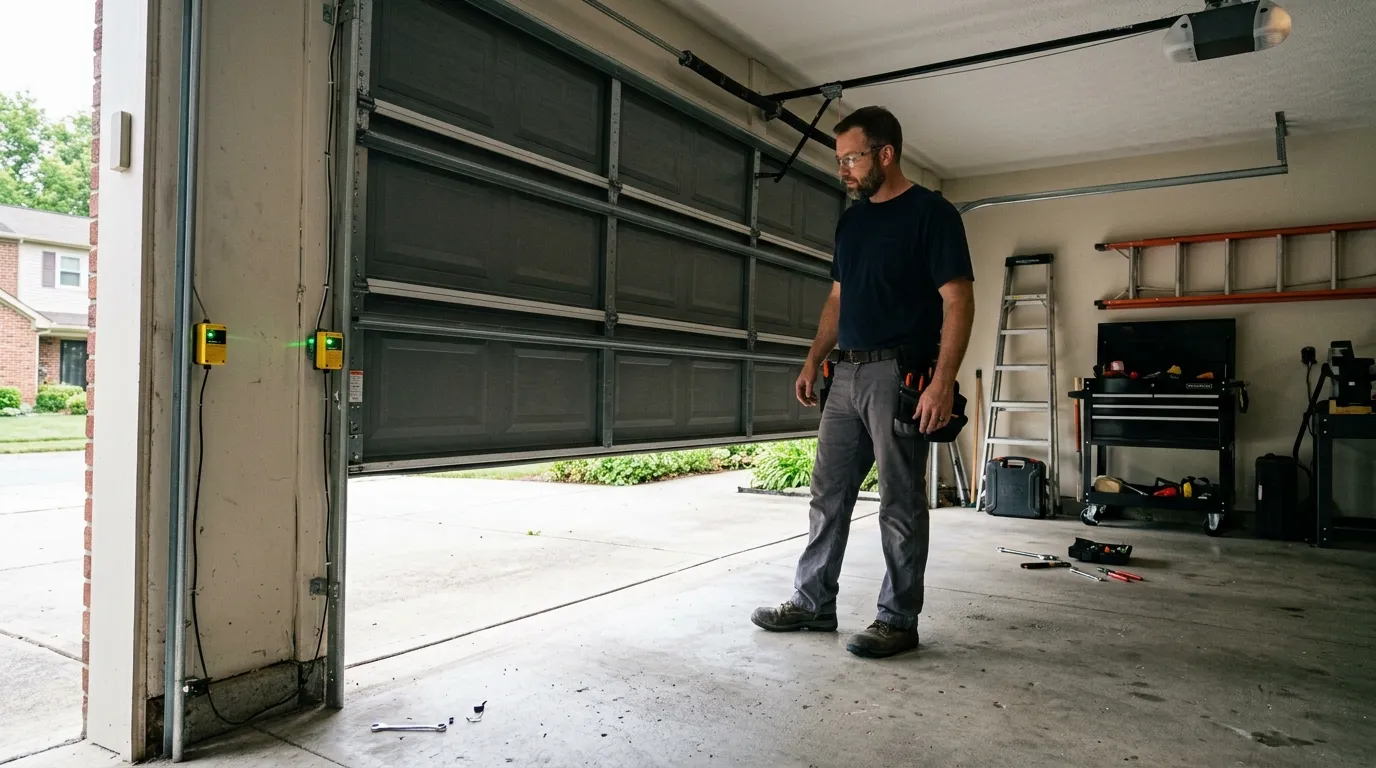
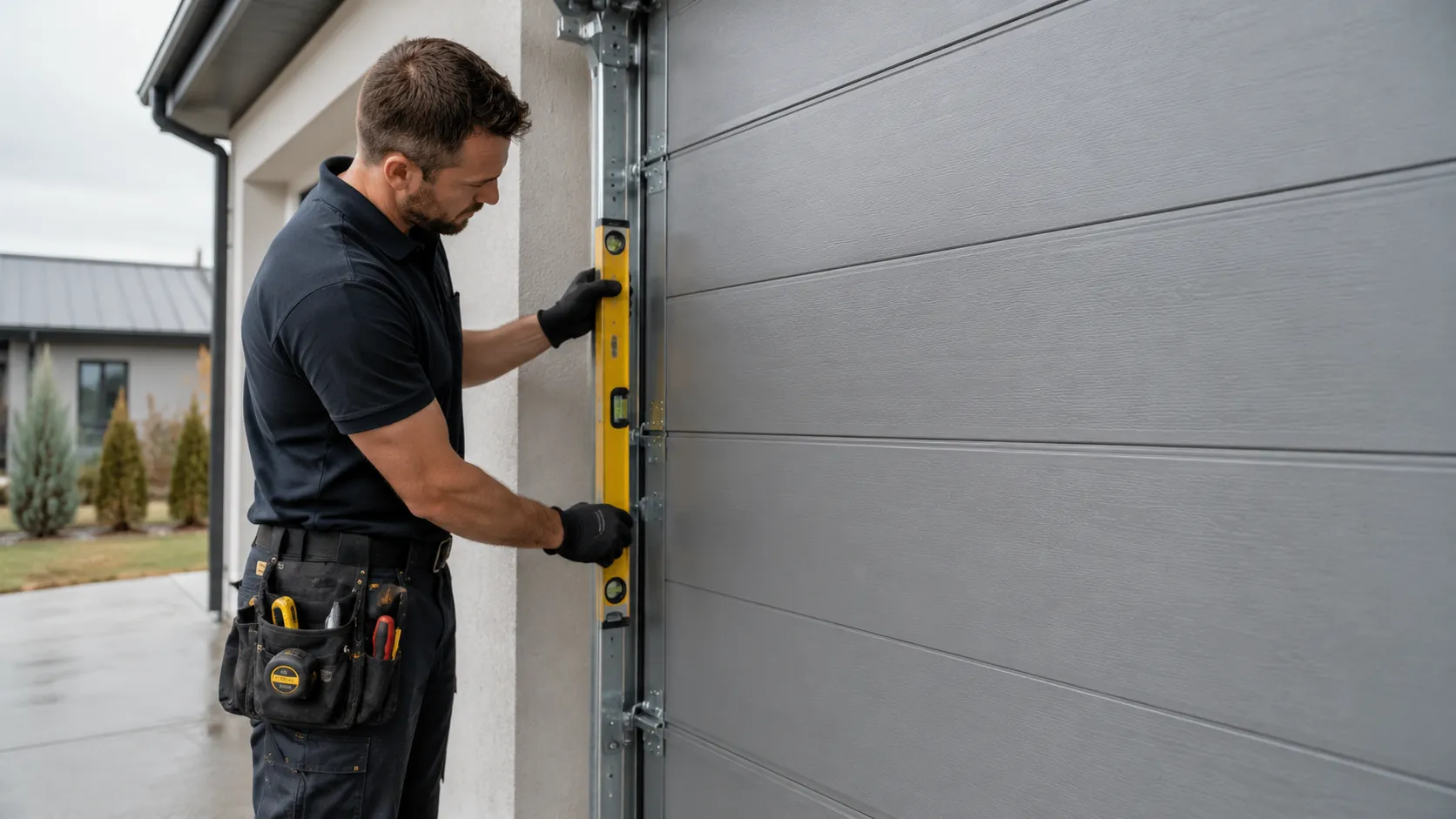
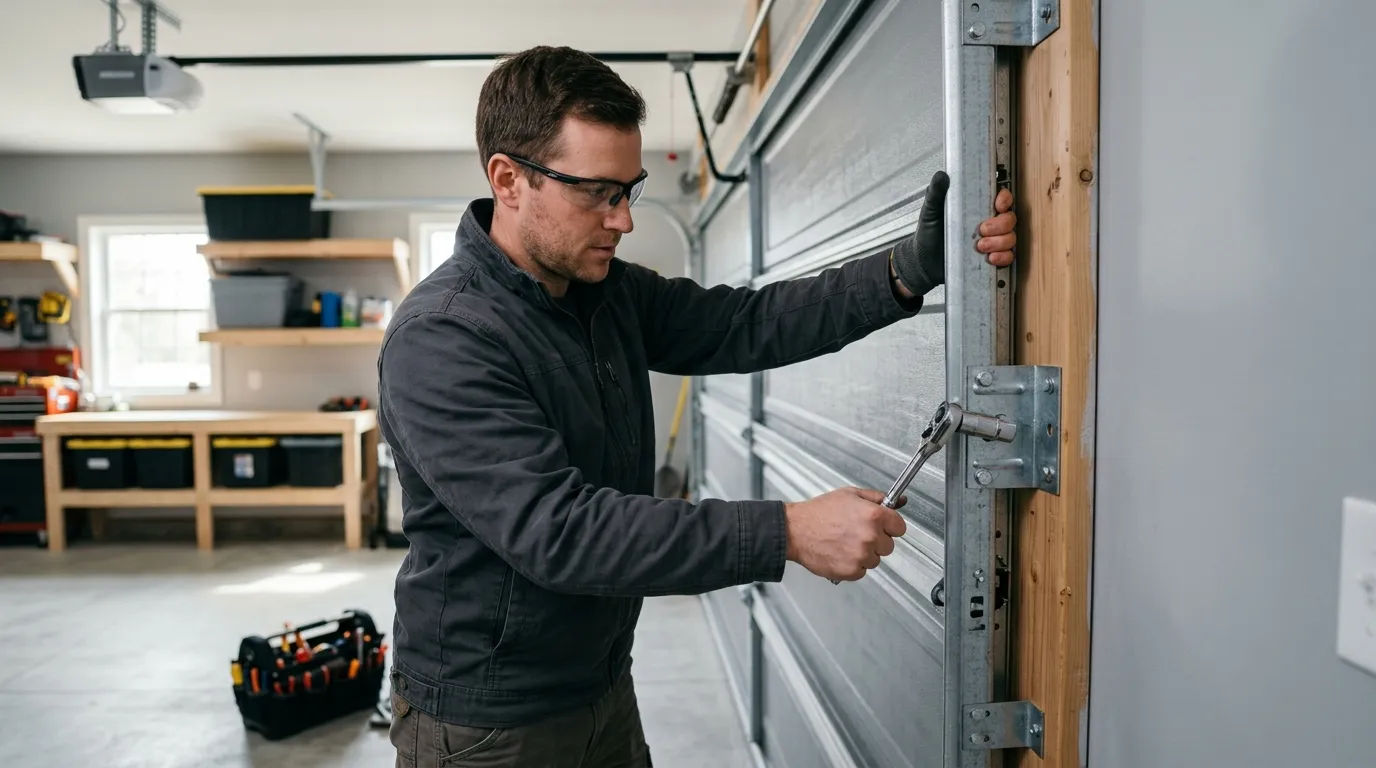
On a door from this era, maintenance starts with the spring - checking wind tension, looking for flat spots or rust pitting from the heat this area sits in, and adjusting rather than replacing when the coil is still sound. We check the track alignment next, since a house settling for fifty years can pull a track out of square without anyone noticing until the door starts binding.
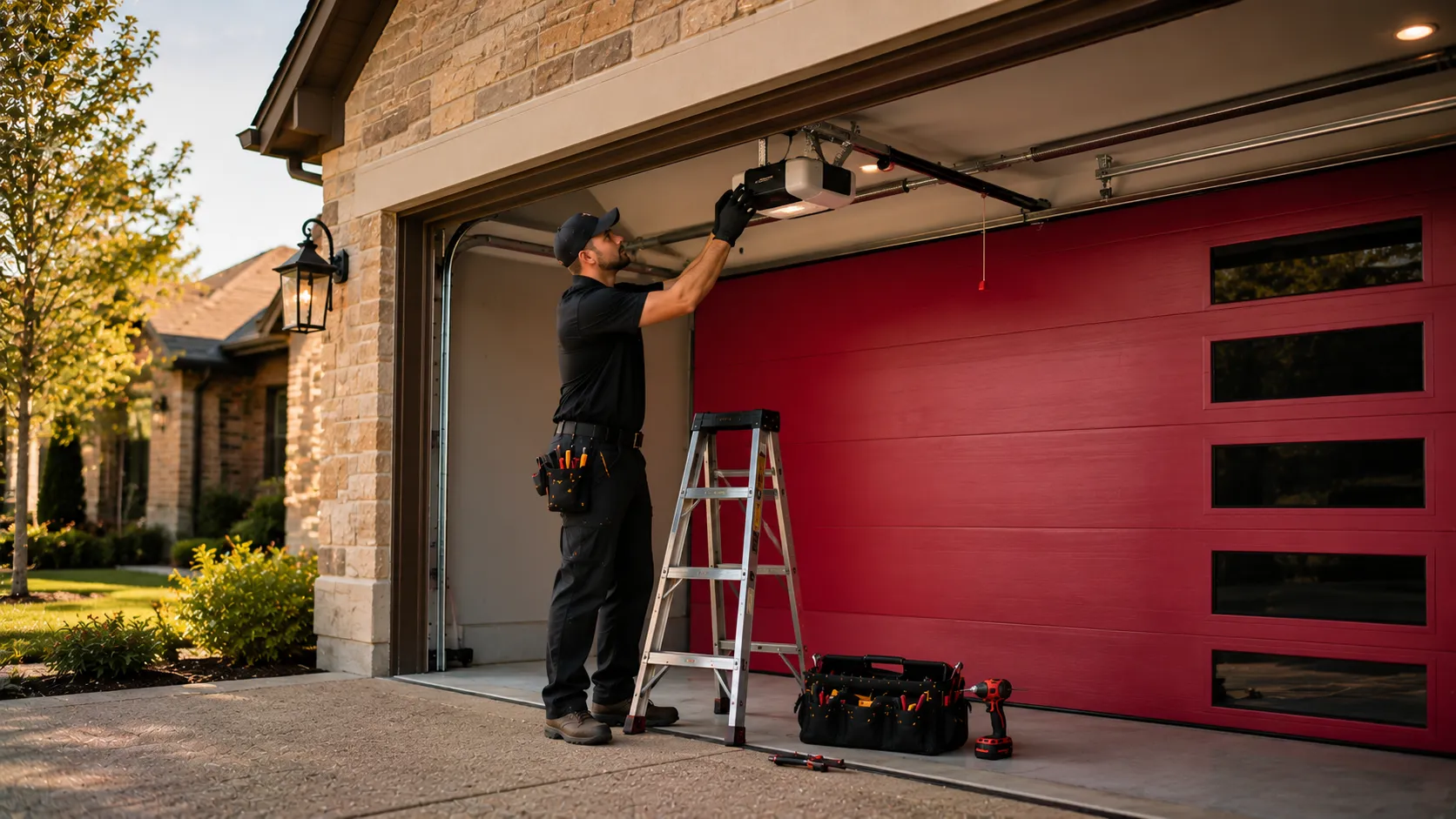
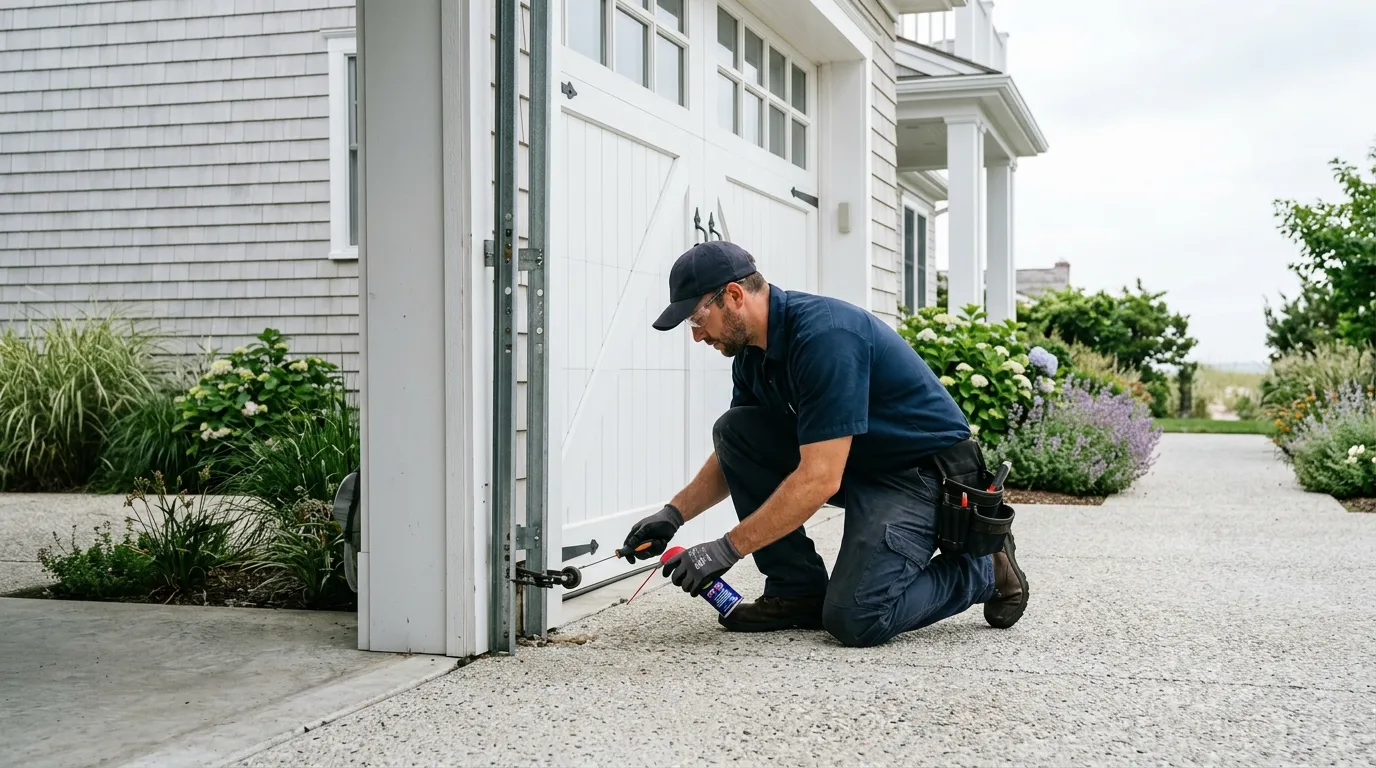
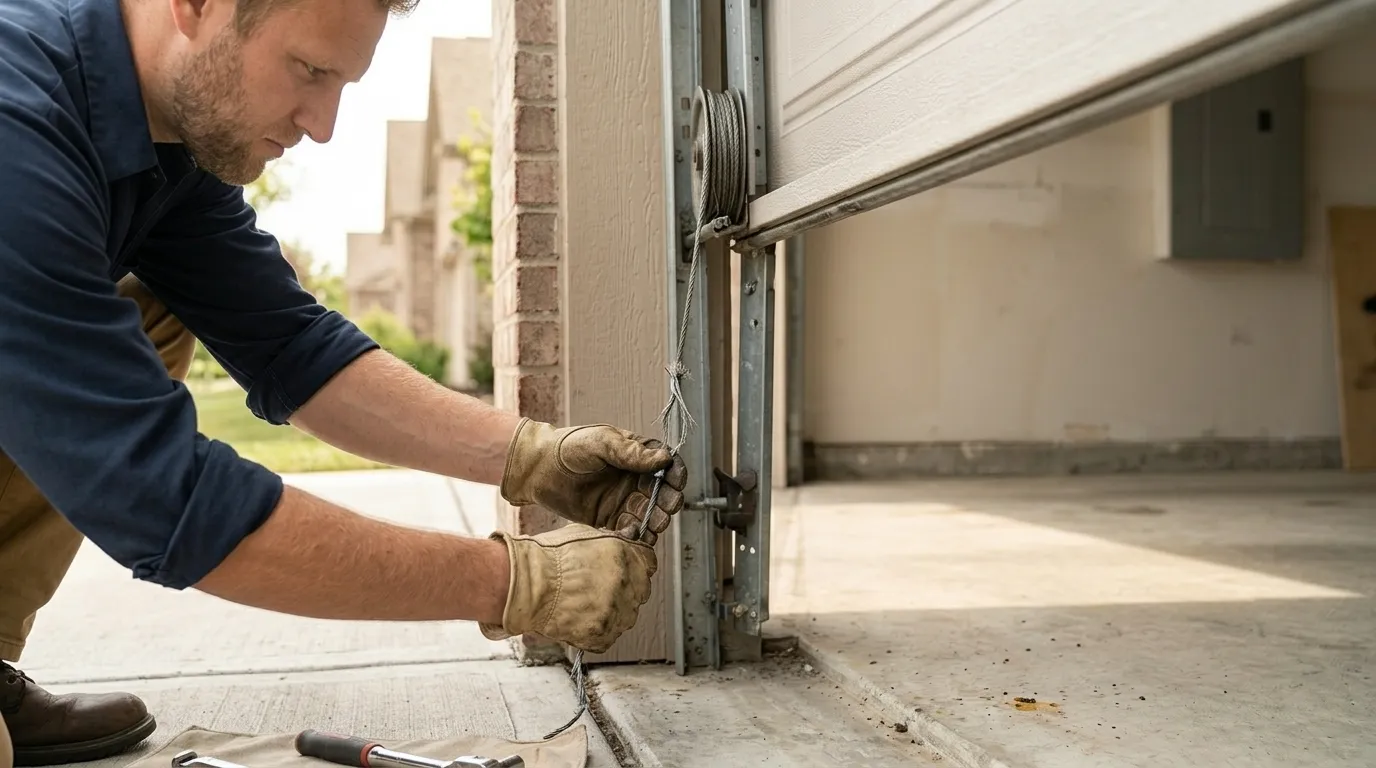
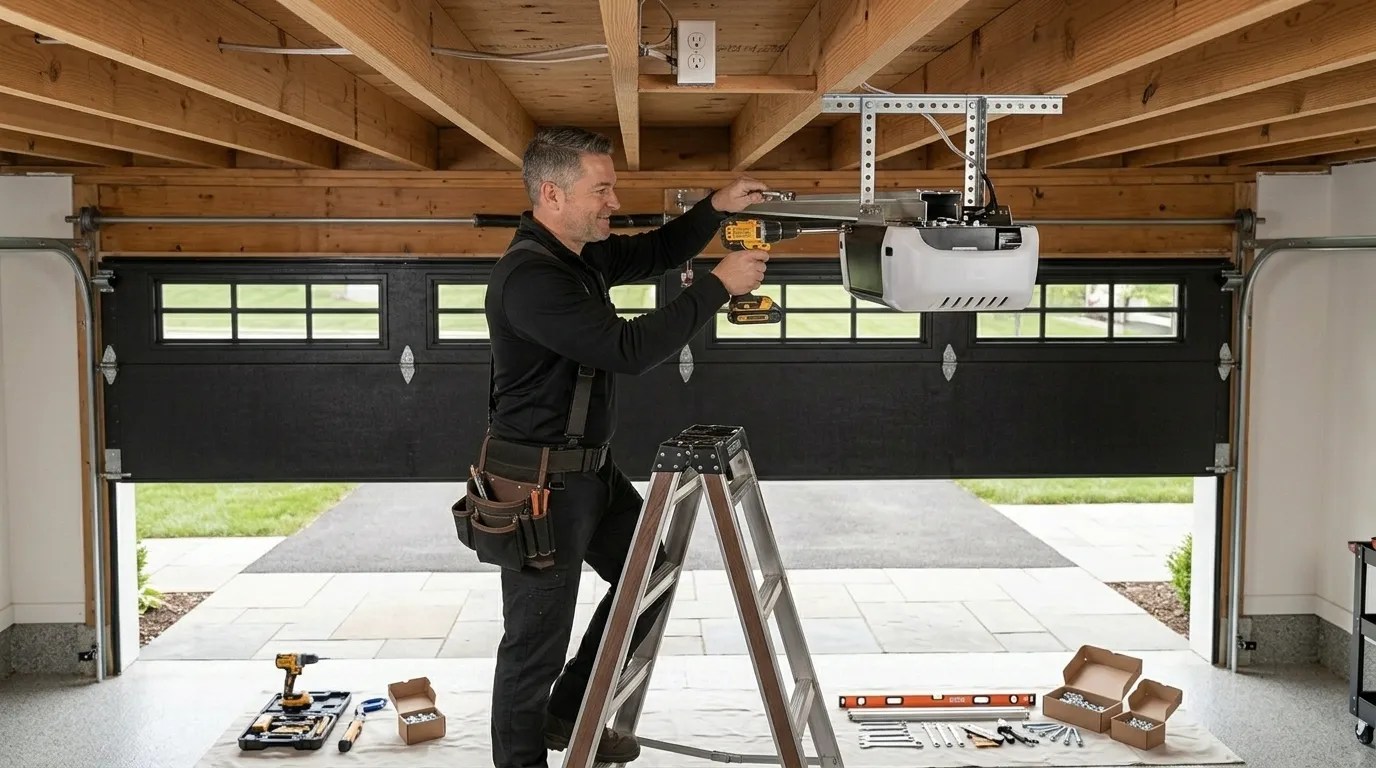
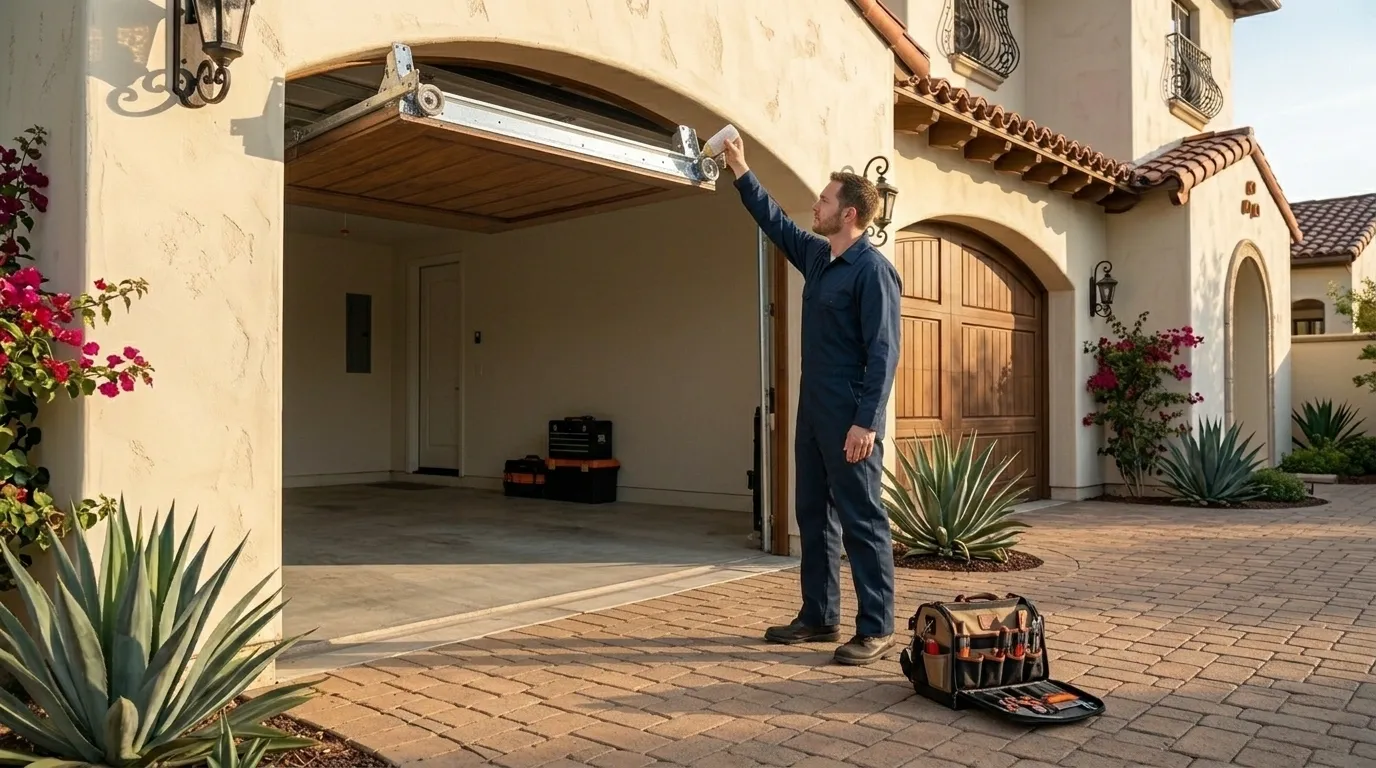
We lubricate rollers and hinges, tighten hardware that's worked loose, and test the opener's force settings and auto-reverse, since older units weren't built to the safety standard newer ones ship with. Cables get inspected for fraying at the drum, and we check the bottom seal, which on a door this age is usually the most weathered part.
Here's the honest limit: original panels and some vintage hardware from the early 1970s are getting hard to source. If a panel is cracked or a torsion drum is worn past spec, we'll tell you straight whether it's worth sourcing a match or whether the door's better off replaced. We don't pretend every original part can be kept running forever.
Time on the Job
The median household income for the broader Las Cruces service area sits at $50,000, while University Park's own figure runs closer to $25,433 - well under that. That gap shapes how we approach a maintenance call here: we lean toward tuning up and extending the life of what's already installed rather than pushing a full opener or door swap unless the hardware is genuinely done.
A standard maintenance visit on a door this age usually runs longer than on a newer build, simply because there's more to check - more rust to look for, more worn rubber to replace, more adjustment needed on hardware that's had decades to drift. We'd rather spend the extra twenty minutes tightening and lubricating than have you calling back in six months for a spring that let go.
Given the short drive in from Las Cruces, the time saved on the road goes into the actual inspection instead. That's a fair trade for a neighborhood where most doors are older than the people living behind them.
How it works
From “it’s stuck” to “it’s fixed”
01
Tell us what’s wrong
Describe the symptom - won’t open, loud bang, opener runs but the door won’t move.
02
On-site diagnosis
A technician tests the door under power and by hand and finds what actually failed.
03
Clear, up-front plan
You get the fix that’s needed and what drives the cost - before any work starts.
04
Repaired & tested
The repair is done, the door is set true and tested, and the work area left clean.
Next step
Serving Las Cruces, NM - tell us what your door’s doing and we’ll take it from there.
How old are most garage doors in University Park likely to be?
Homes here were mostly built around 1973, so original doors, if they haven't been replaced, are likely in that same age range. That's older than much of the wider Las Cruces service area, where the median build year runs closer to 1986, so expect older-style spring and track hardware.
Do you have a shop or crew based in University Park?
No. We work out of Las Cruces and drive the four miles into University Park for scheduled visits. There's no local branch, but the distance is short enough that it doesn't add meaningfully to how a visit gets booked or run.
Will you always recommend replacing an old door instead of fixing it?
No. Plenty of doors from the early 1970s are structurally fine and just need the springs, rollers, and tracks serviced. We only recommend replacement when a part is worn past what's safe to keep running or when a matching panel can't be sourced.
Why does the heat matter for maintenance here?
This area sits in a climate zone rated for severe heat, and that heat fatigues spring steel and dries out rubber seals and rollers faster than in milder climates. Regular lubrication and spring tension checks matter more here than they would somewhere cooler.
Ready to get your garage door sorted?
Tell us what it’s doing and where you are in Las Cruces - we’ll take it from there.