Booking a Visit
We cover University Park from our Las Cruces base, about 4 miles out, so there's no local branch or drop-in counter here - every job starts with a call or a booking through our University Park page. Because a fair share of homes here are still on original 1973 openings, we ask for the door's rough width and height, and whether you know if it's ever been replaced, before we send anyone out. That's not paperwork for its own sake - it tells us whether we're bringing standard stock sizes or need to plan for a non-standard opening. Median household income in this pocket runs well under the area's $50,000 figure, and we hear from a lot of owners here who want to know cost before anything else, so we quote the door and the labor separately up front rather than bundling it into one number you can't break down.
How We Fix It
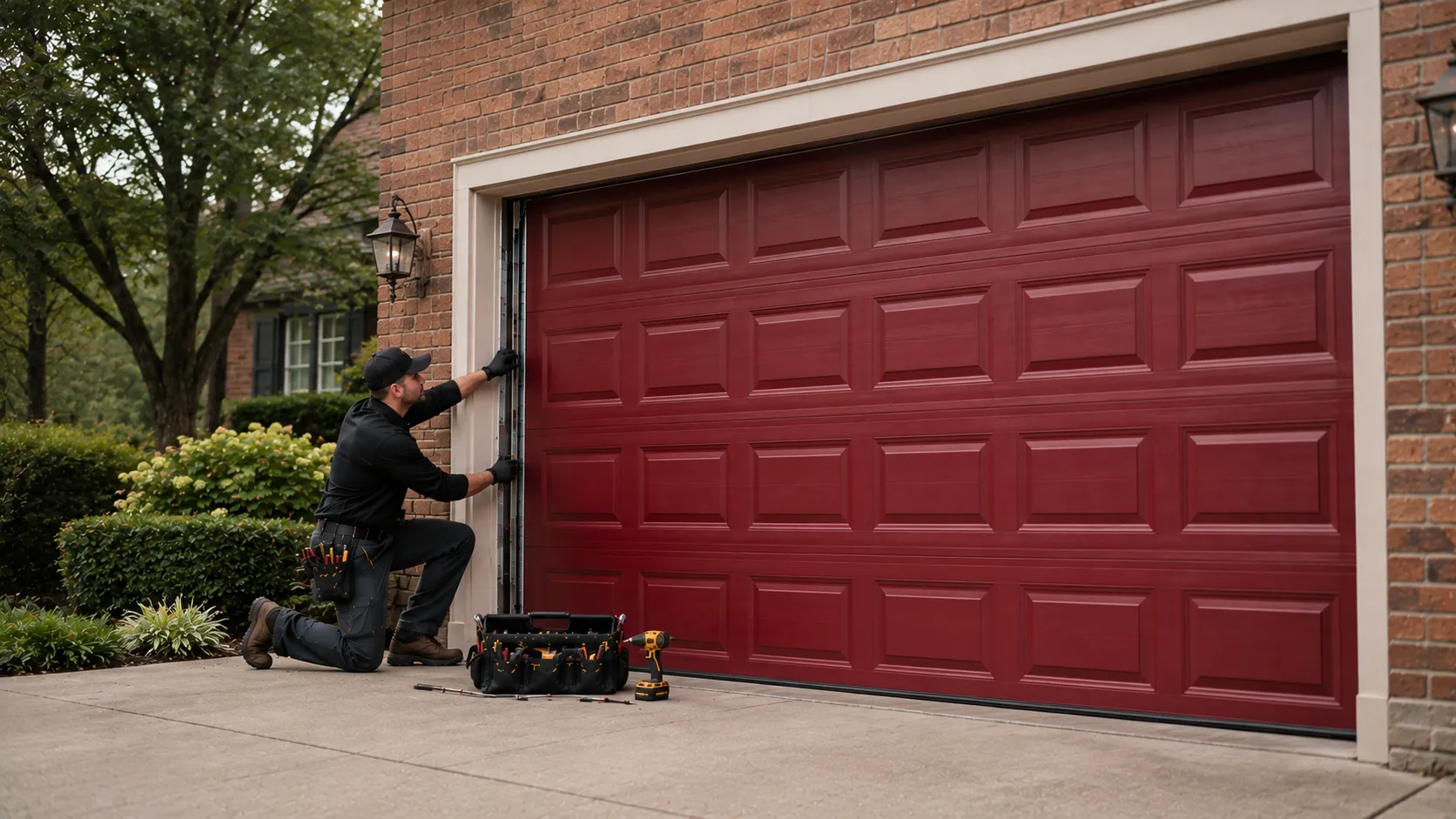
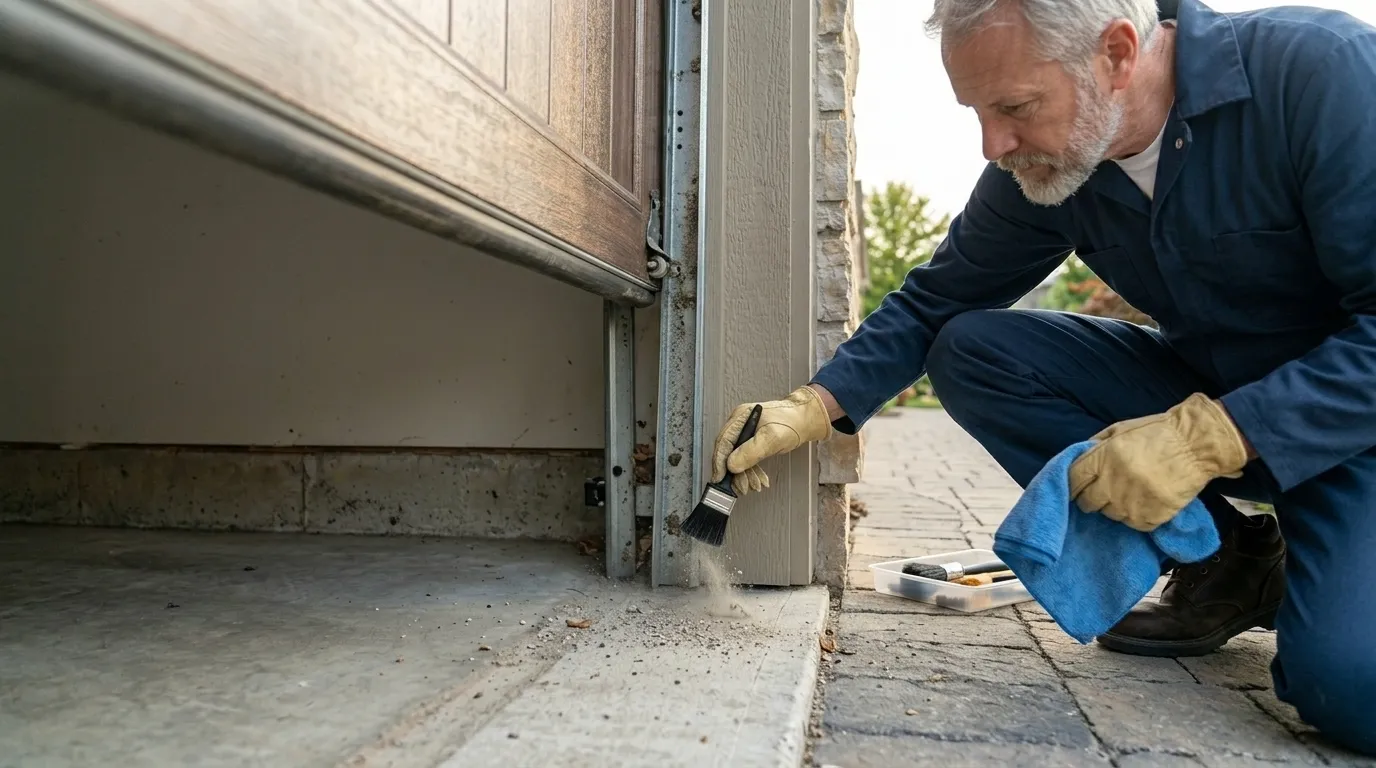
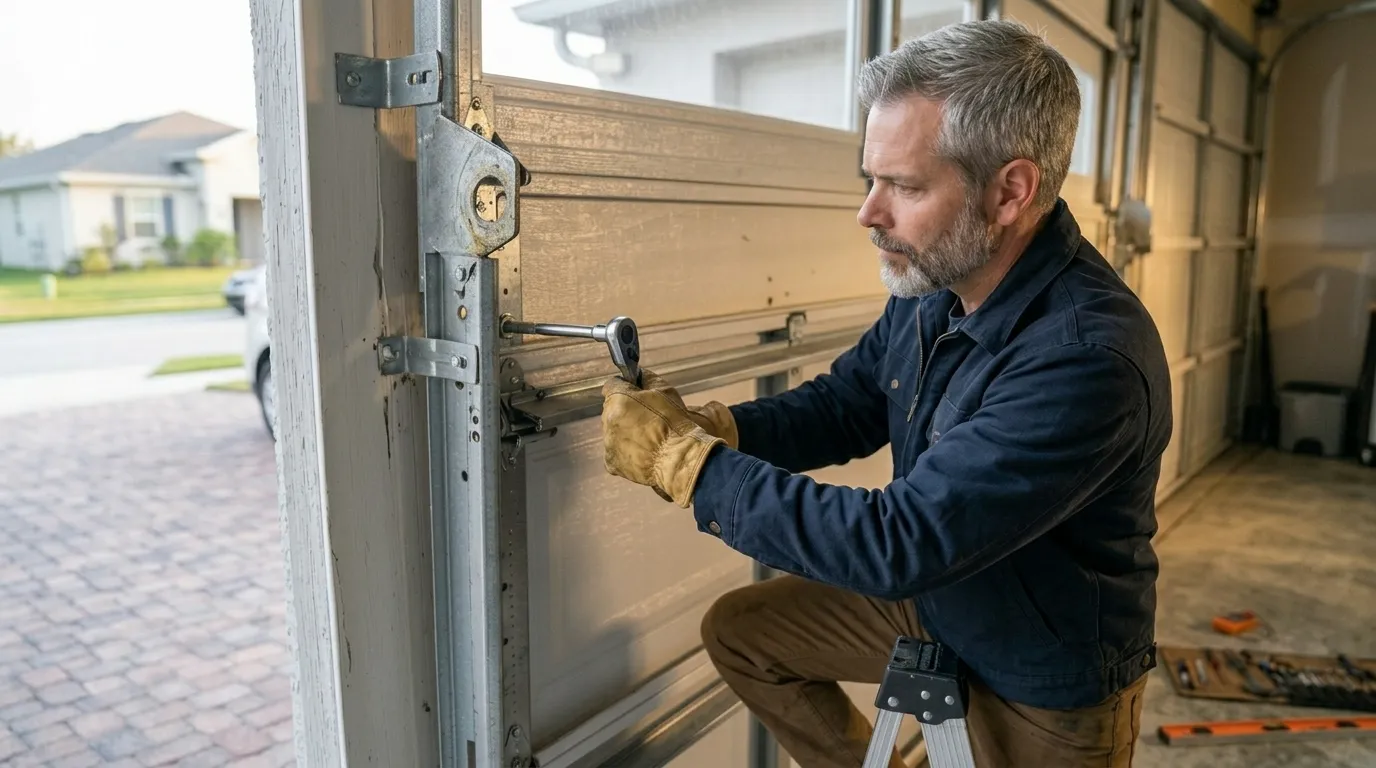
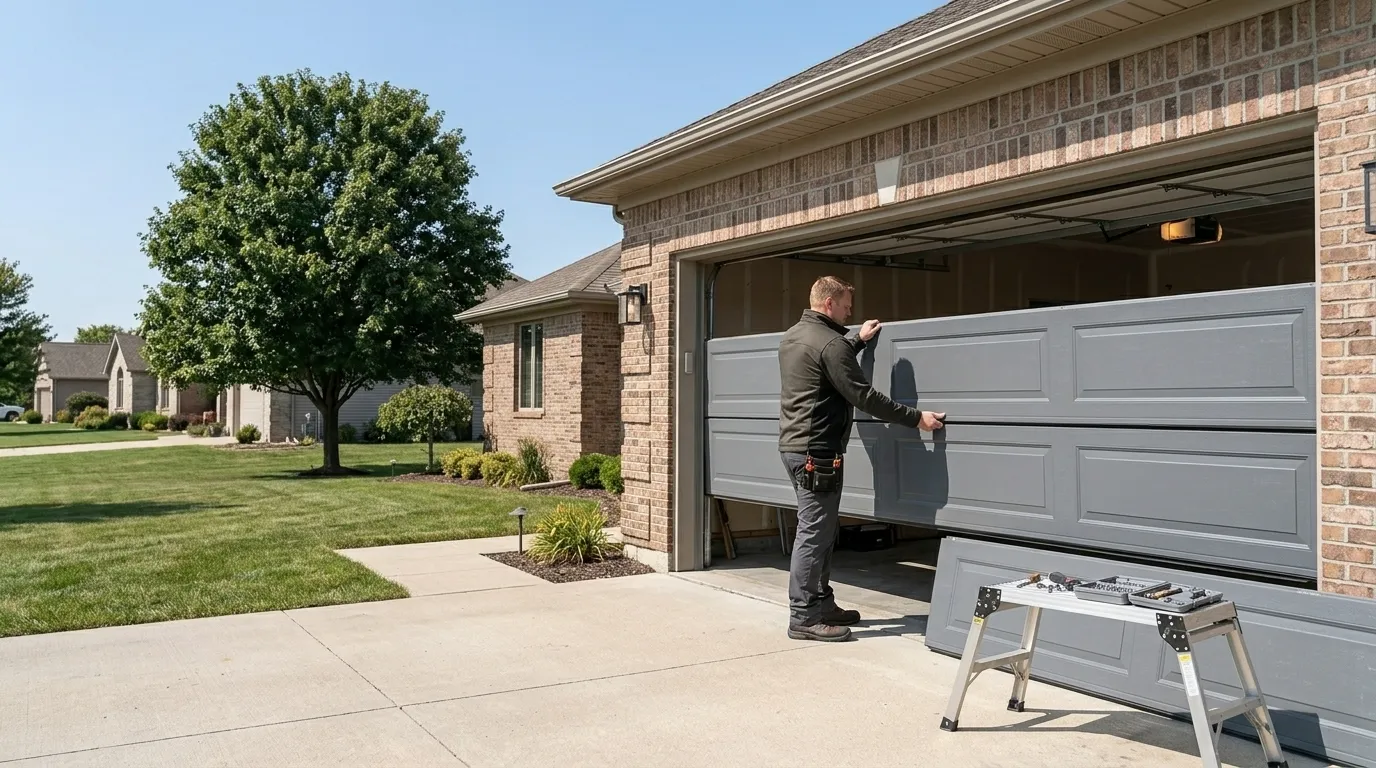
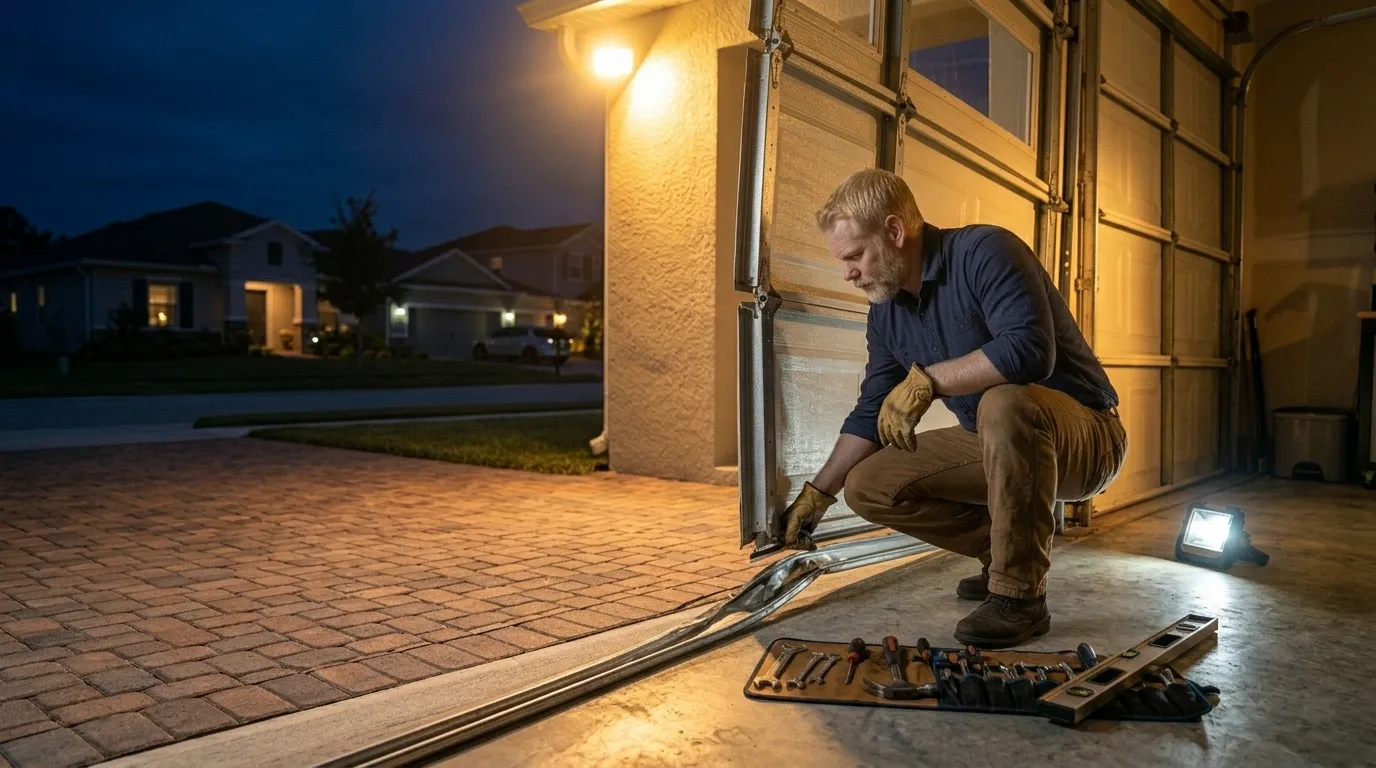
On a house from the early 1970s, the install usually starts with the opening itself, not the door. We check the jambs and header for square and for rot or heat-cracking, since severe summer heat over five decades does more damage to wood framing than most owners expect. If the opening's out of true, we shim and rebuild the stop before the new door ever goes on the hinges - skipping that step is how you end up with a door that binds in August when the frame expands. We size the new door and track hardware to current standards rather than matching whatever nonstandard spacing the original 1973 install used, which sometimes means new brackets even when the opening itself is fine. Insulated steel is the most common choice we install in this heat band, since it holds up better against direct sun than older uninsulated panel doors did. One thing we're straight about: if the header's rotted past what a rebuild can fix, that's a carpentry job first, and we'll say so rather than hanging a door on framing that won't hold it.