What Can Go Wrong
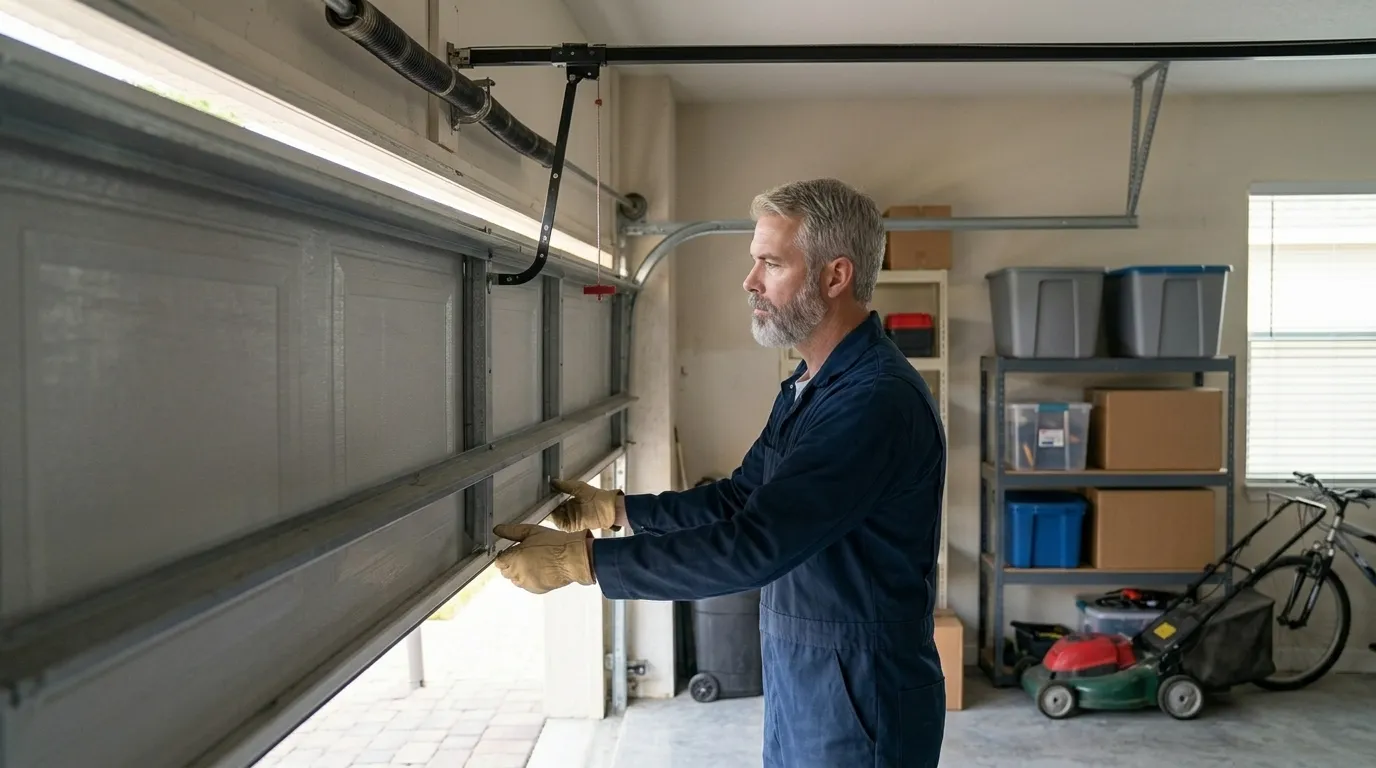
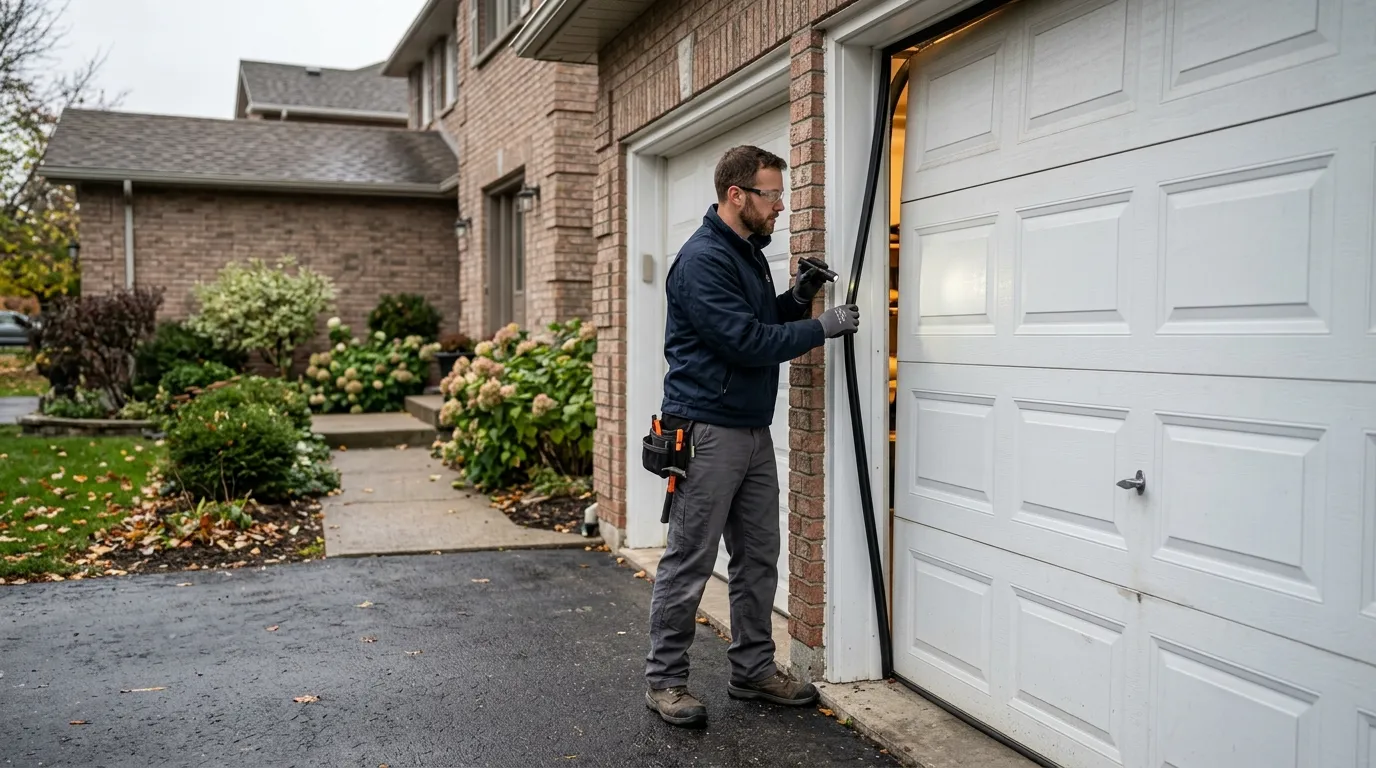
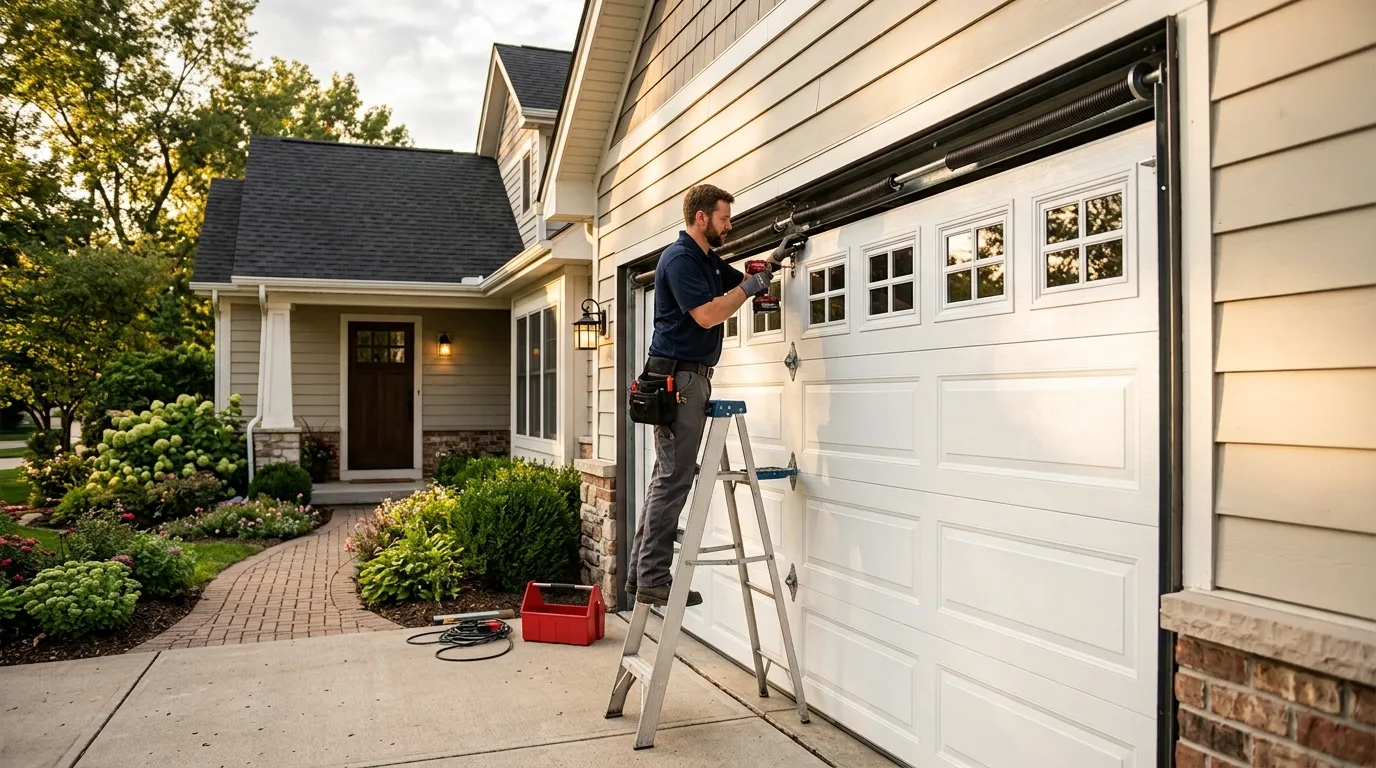
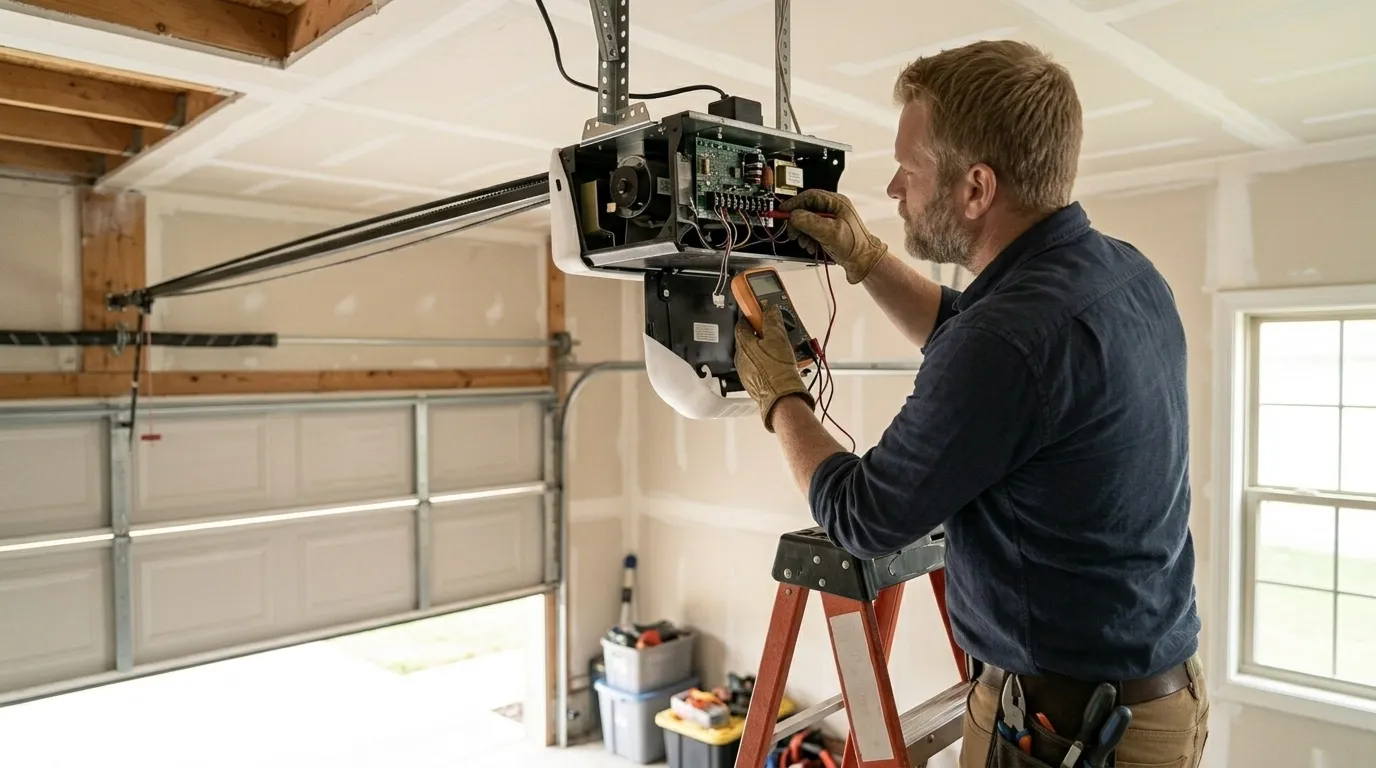
Housing stock across this service area mostly dates to the 1980s and 90s, and Vado's own homes went up around 1985 on average - right in that window. Doors and openers from that era are past their expected service life on the moving parts: torsion springs cycle out around ten to fifteen years under normal use, and openers from the mid-80s were built with chain drives and control boards that don't have the safety reversal sensors required in newer units. What actually fails: a spring finally snaps after decades of cycling, the extension cables fray where they wrap the drum, or an aging opener starts grinding because the gear inside has worn down. None of this is exotic - it's just what happens to hardware installed in 1985 and never swapped out.
Why This Fails Locally
The heat here runs severe by federal climate standards, and that matters more on a door this old than it would on new hardware. Steel panels and tracks expand and contract through repeated hot stretches, and on a track that's been slightly out of alignment for years, that expansion is often what finally pushes a roller off its rail or binds a cable at the drum. On a newer door, tighter tolerances and better-sealed bearings absorb that movement without much drama. On the kind of 1985-era door and opener common in Vado, there's less margin left, so the same heat that a newer install shrugs off is what tips an aging spring or a worn roller into failure.
How We Fix It
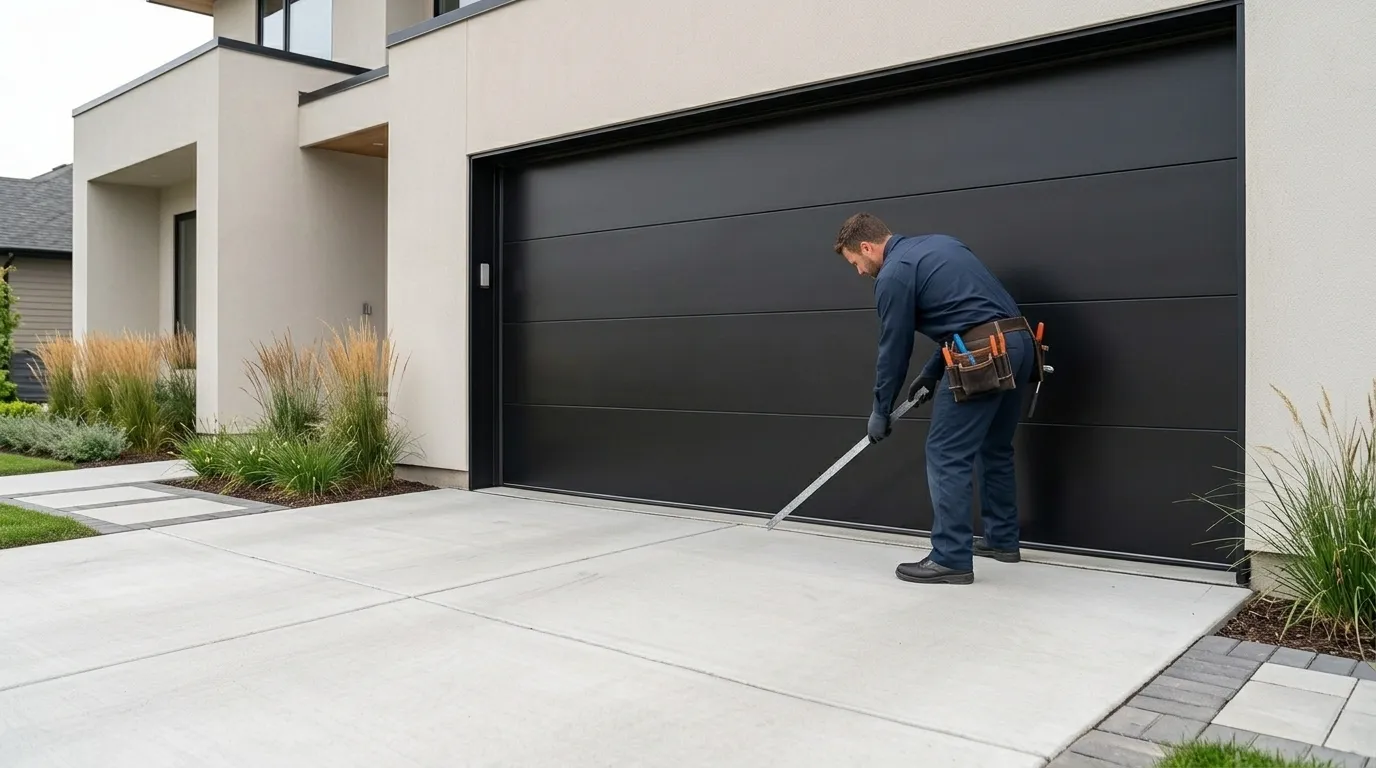
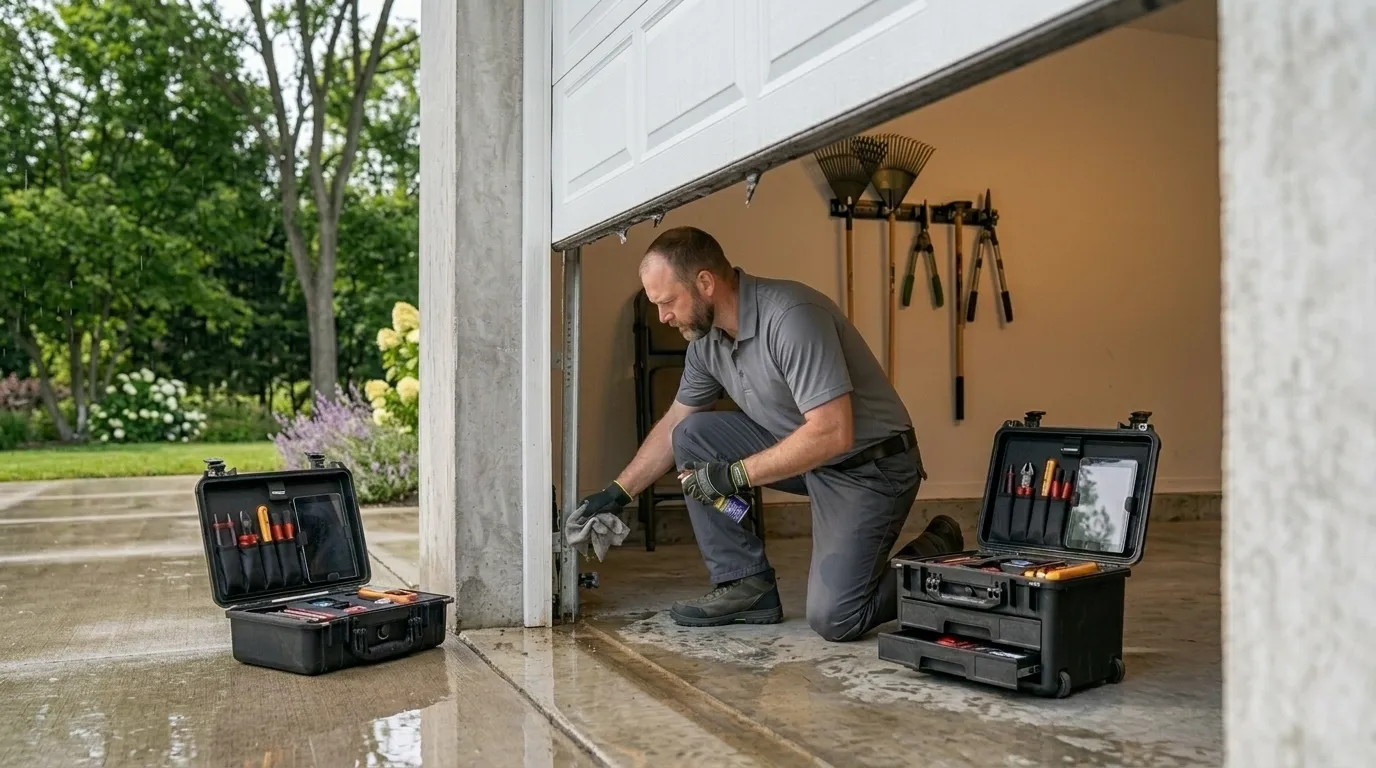
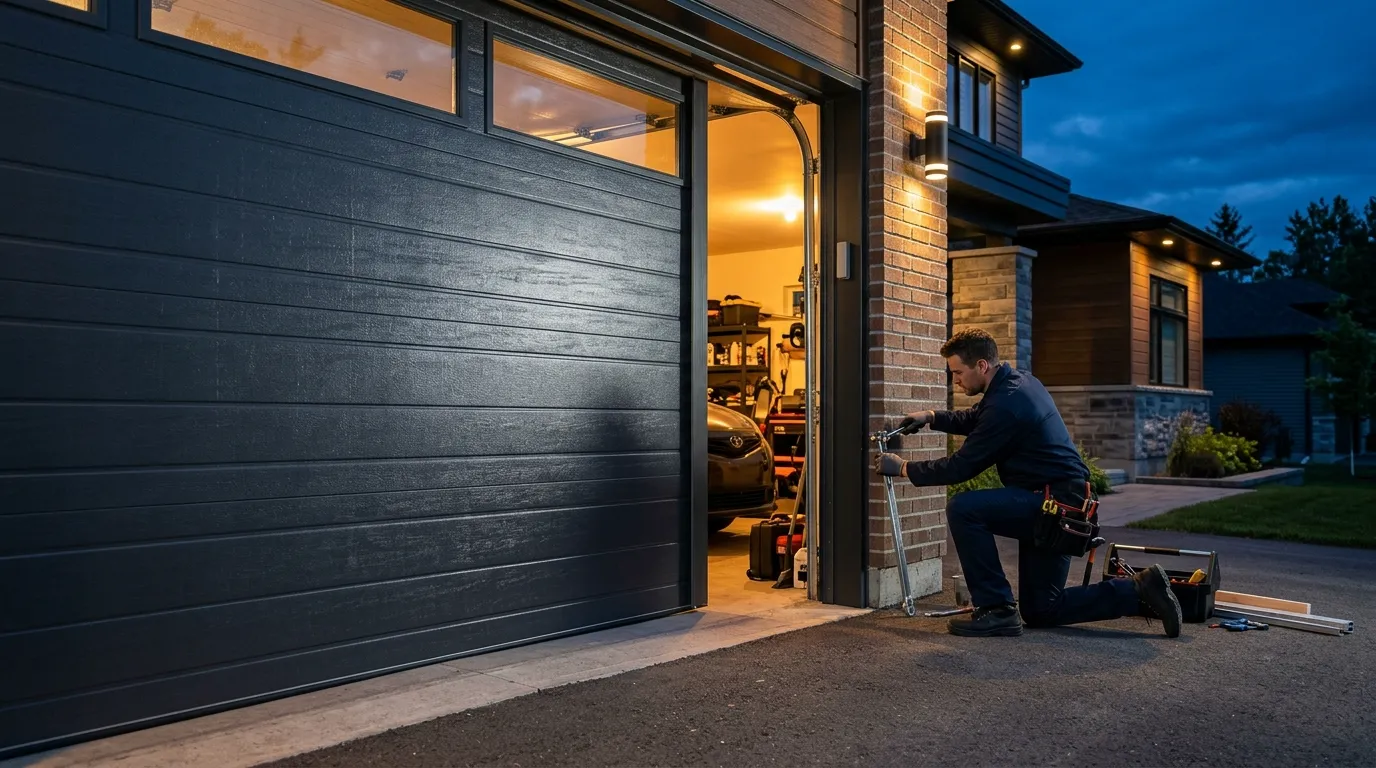
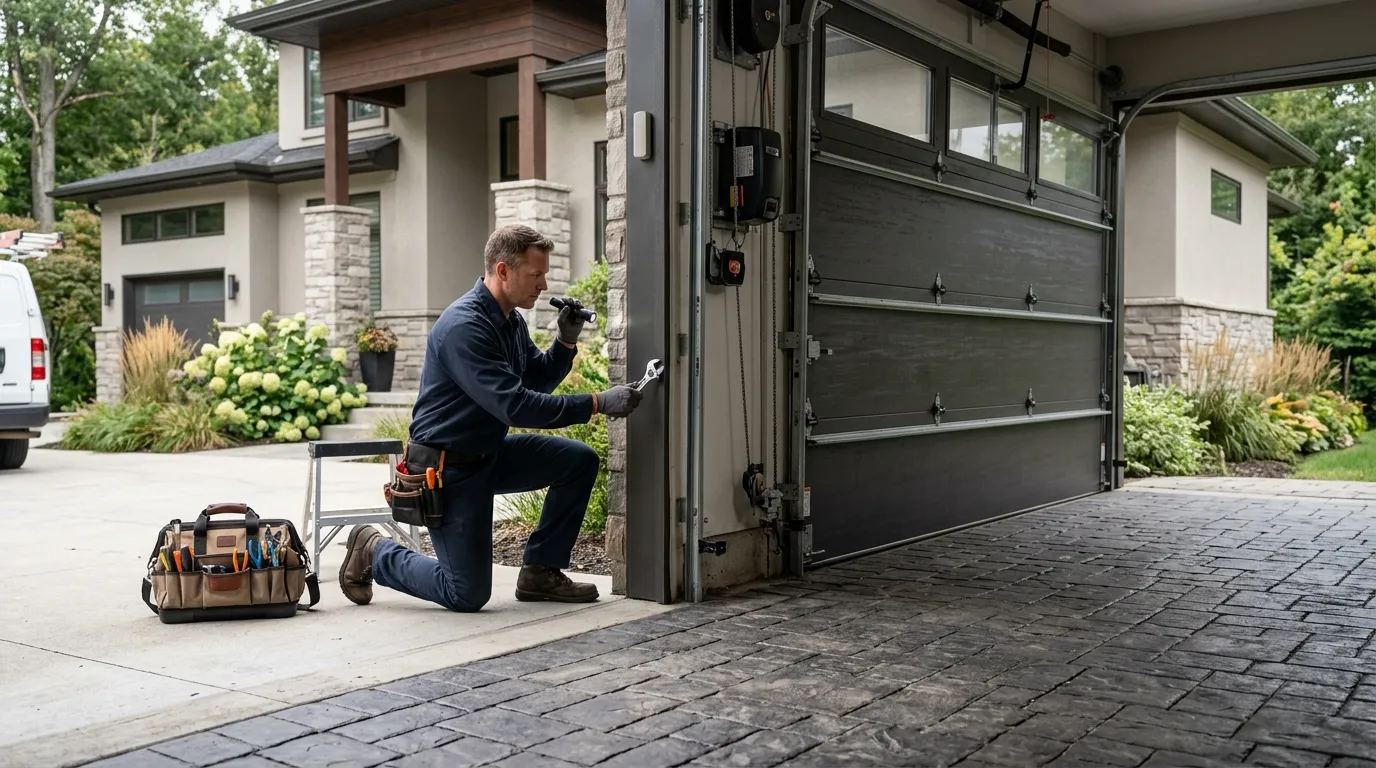
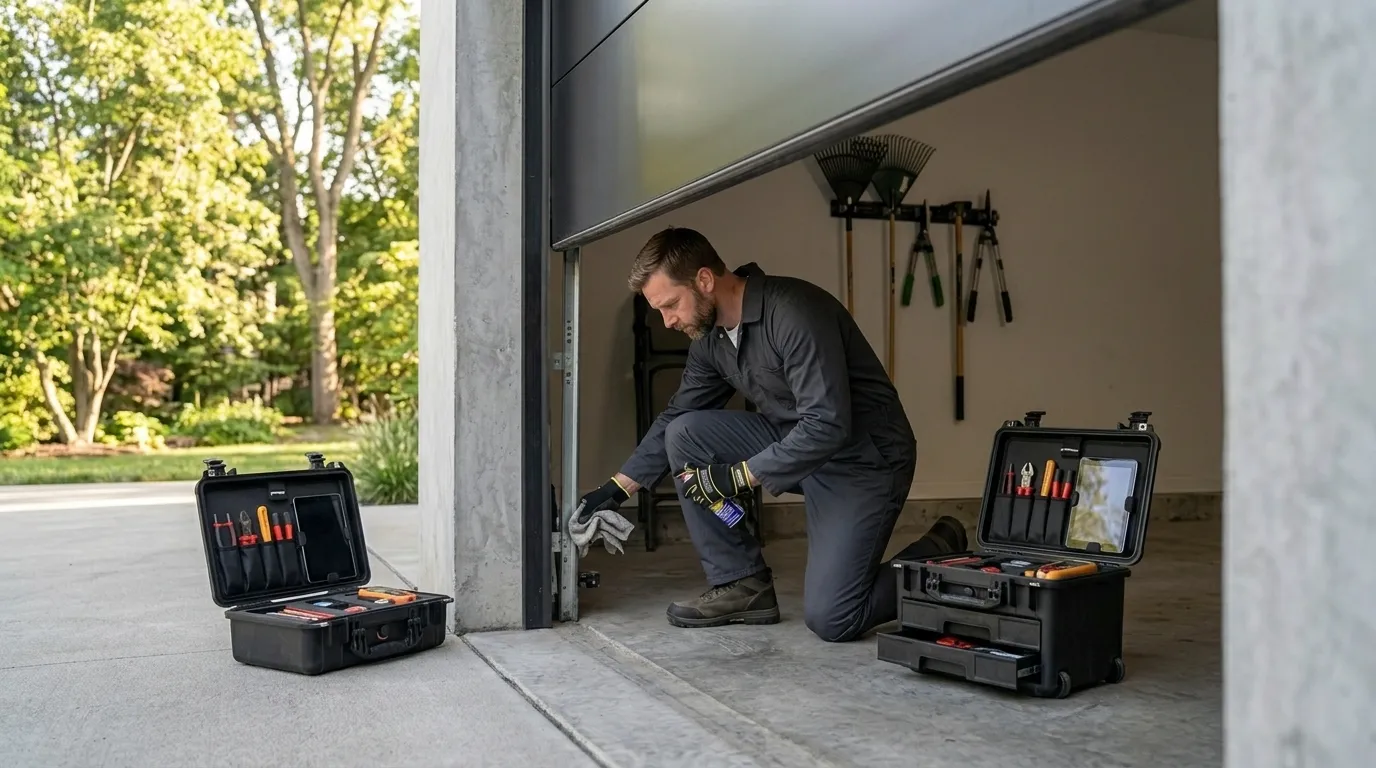
Same crew, same truck, same tools we run on any call from Las Cruces - the sixteen miles out to Vado just means we build that drive time into the schedule rather than treating it as a same-hour drop-in. On a house built around 1985, we're usually looking at original torsion hardware or an early chain-drive opener, so we carry springs and cable sized for that era of door, not just whatever's newest. If the track's out of true from years of heat cycling, we true it up before touching the spring, since replacing a spring on a misaligned track just sets up the next failure. One honest limit: some 1980s opener boards are discontinued, and if a specific control board isn't available, replacing the opener outright is sometimes the faster and cheaper path than waiting on a part.