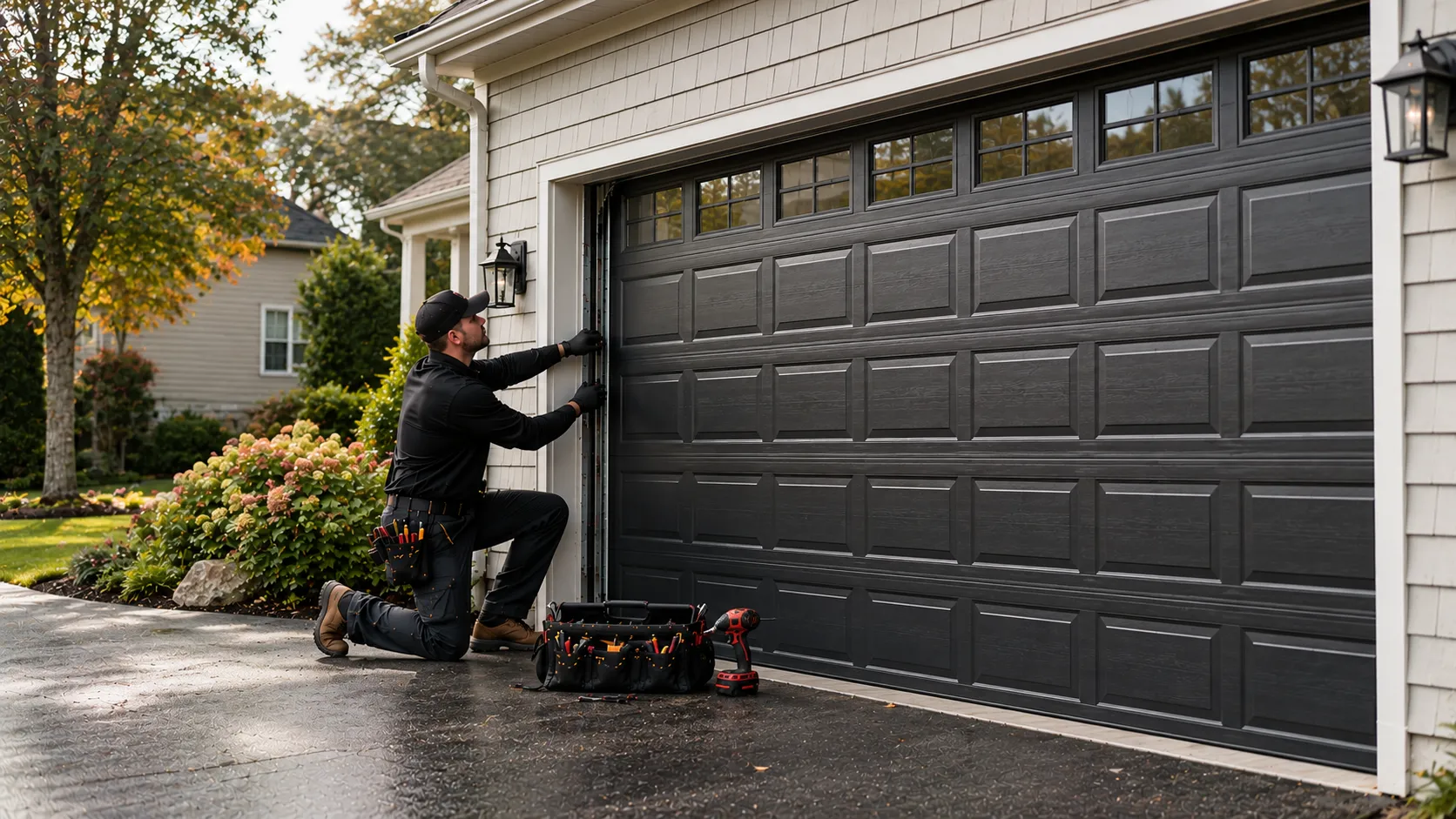
What Can Go Wrong
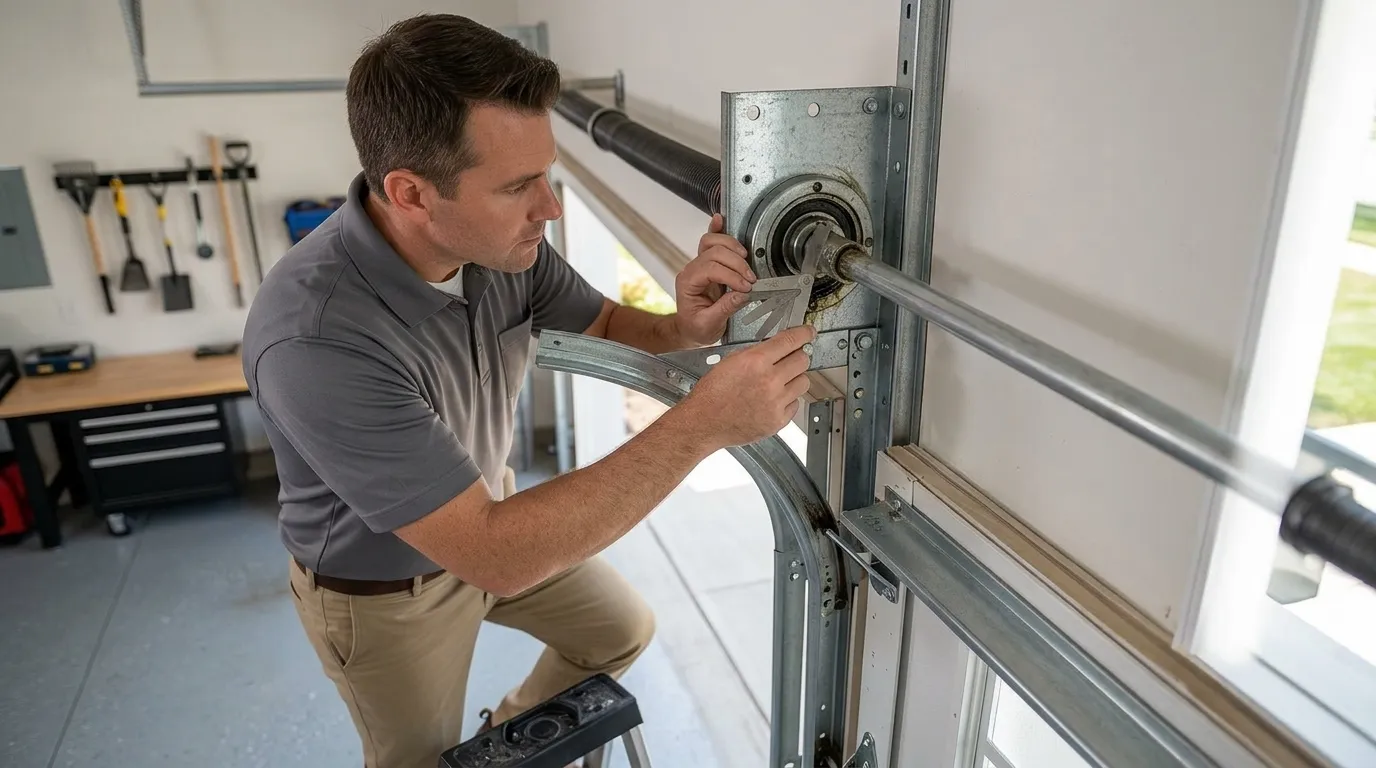
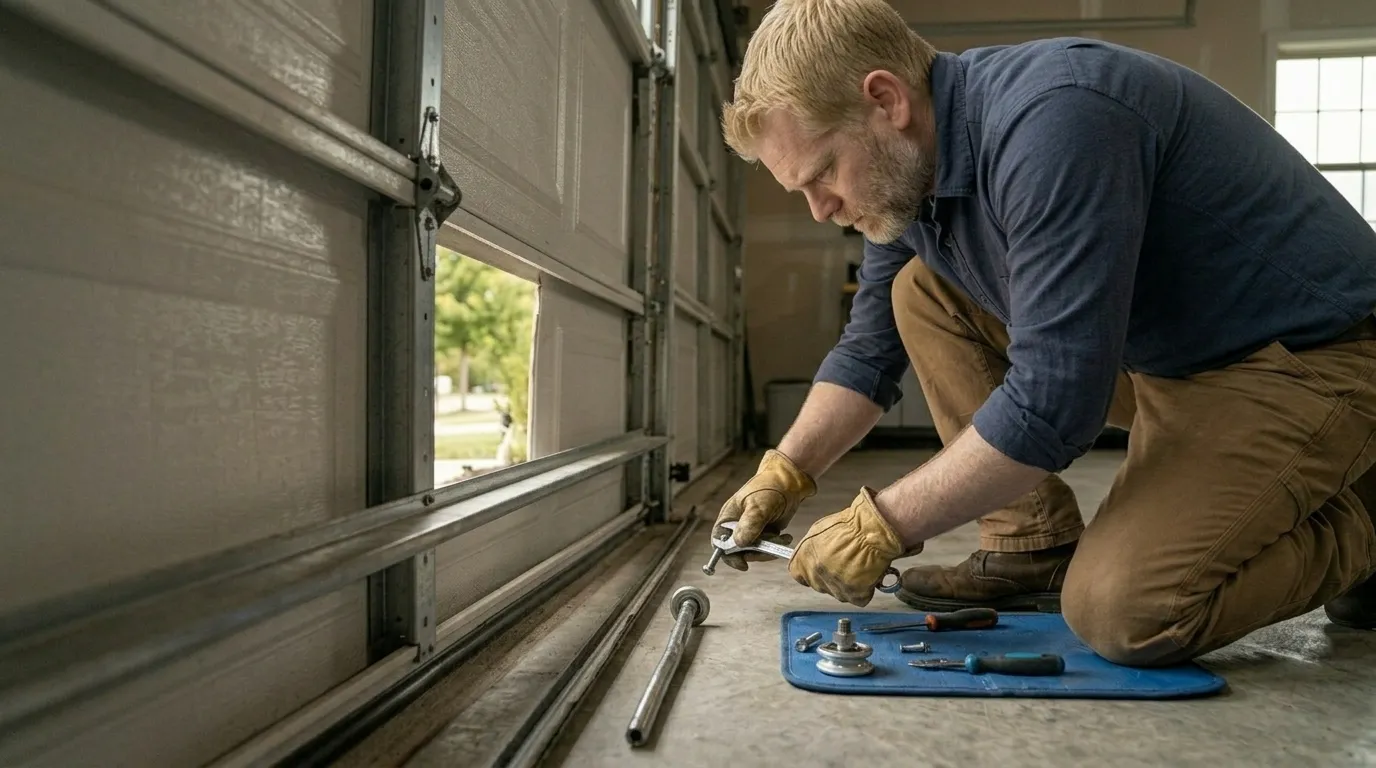
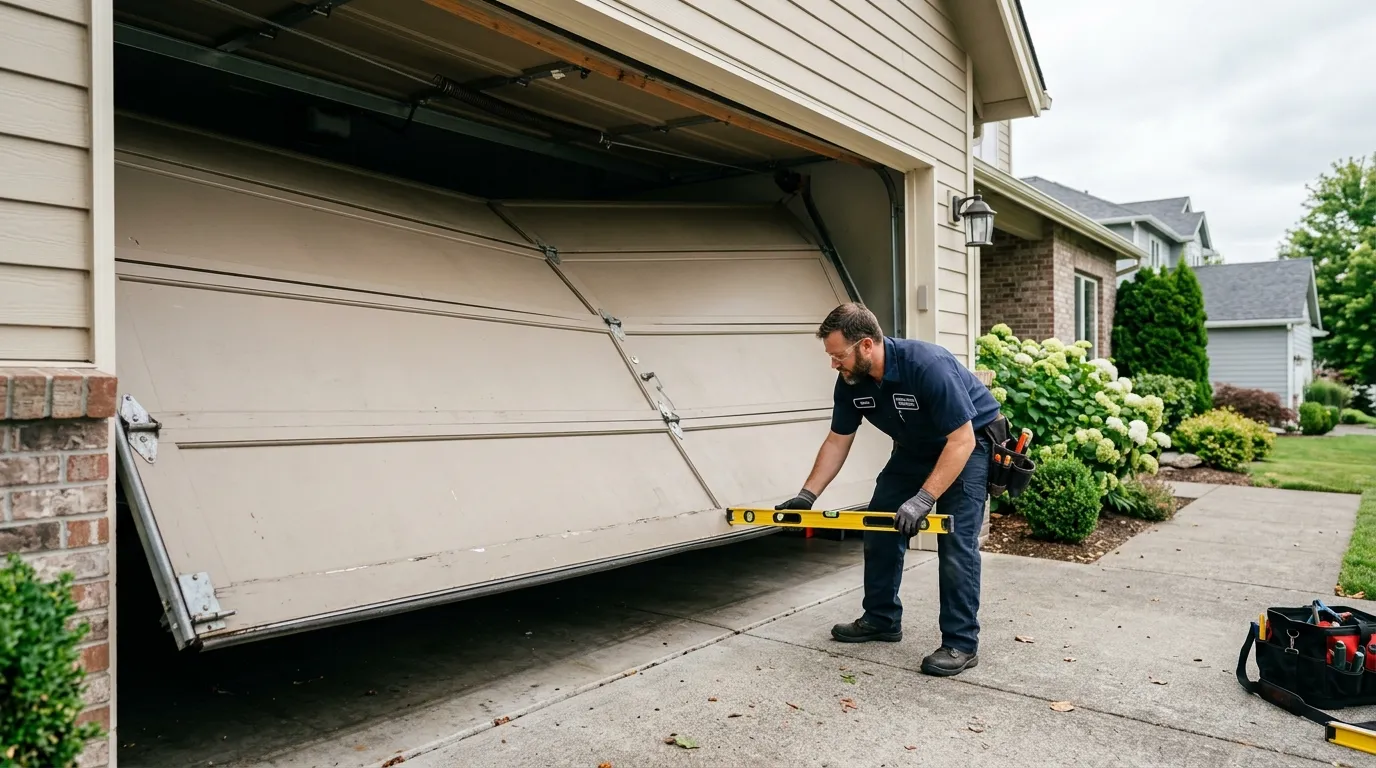
Heat is the thing that does the damage here, not moisture. In a HEAT-severe climate band, the lubricant in torsion springs and rollers breaks down faster than the label on the tube suggests, and dried-out coils bind instead of rotating smoothly. Weatherstripping on a 1985 door has usually already been replaced once or twice, and whatever's on there now is likely cracking from UV and thermal cycling rather than age alone. Steel panels expand and contract every single day through summer, and on a door that's been doing that for decades, seams loosen and fasteners back out. Opener sensors, if they were ever added, drift out of alignment as the track itself shifts slightly with the seasonal expansion of the door frame. None of this shows up as a sudden failure - it shows up as a door that's slower, louder, and harder to lift by hand than it was five years ago.
Why This Fails Locally
A door built in 1985 has already outlived the rated cycle count on its original torsion spring, and heat-severe conditions accelerate spring fatigue faster than a moderate climate would. That's the combination that matters in Vado: an old spring plus forty years of extreme heat cycling. Original steel panels from that era were not insulated, so they've spent decades absorbing and shedding heat directly into the garage, which is part of why panel warp and seam separation show up here more than on newer insulated doors. If your opener is still the original chain-drive unit, its gears have been running through the same heat cycles with no upgrade in lubrication technology since installation. None of this is unique to any one house - it's the predictable result of 1980s hardware meeting a climate that doesn't let up.
How We Fix It
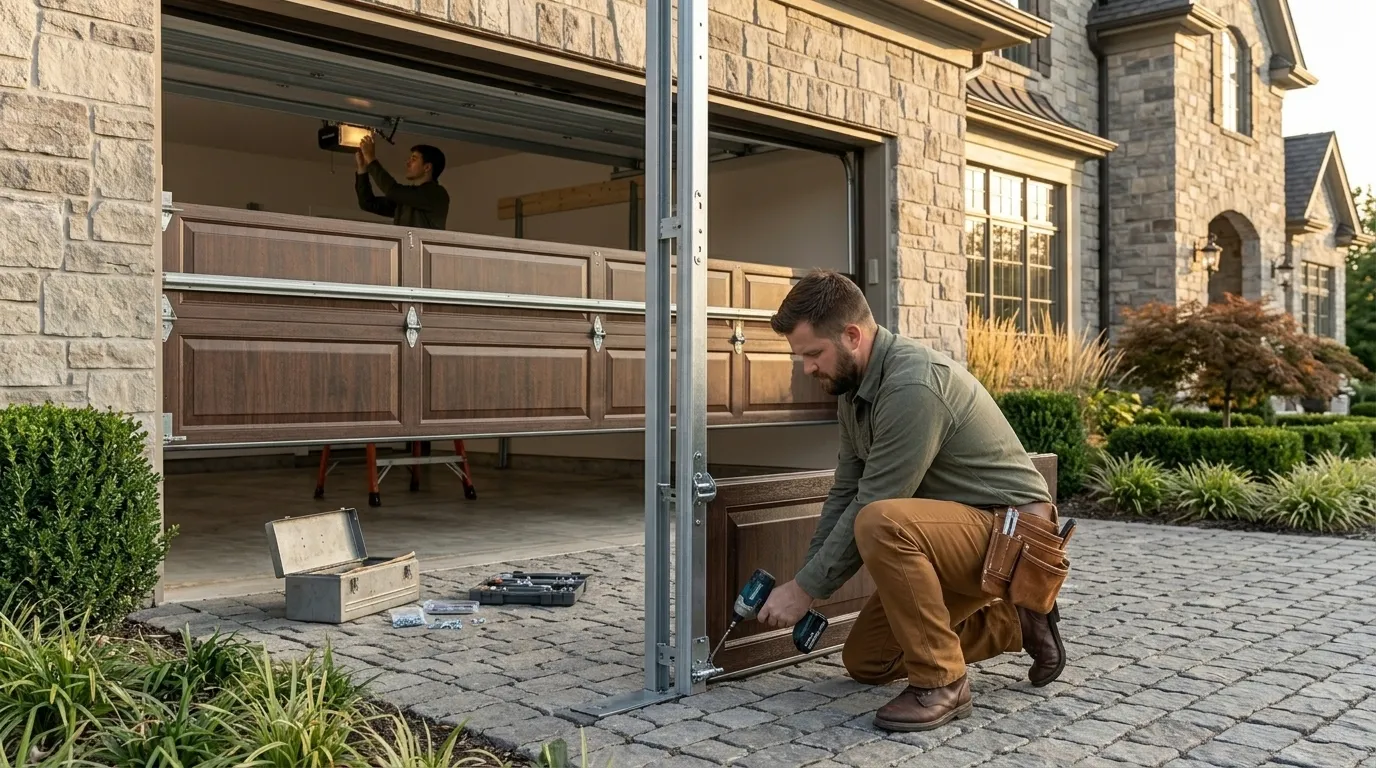
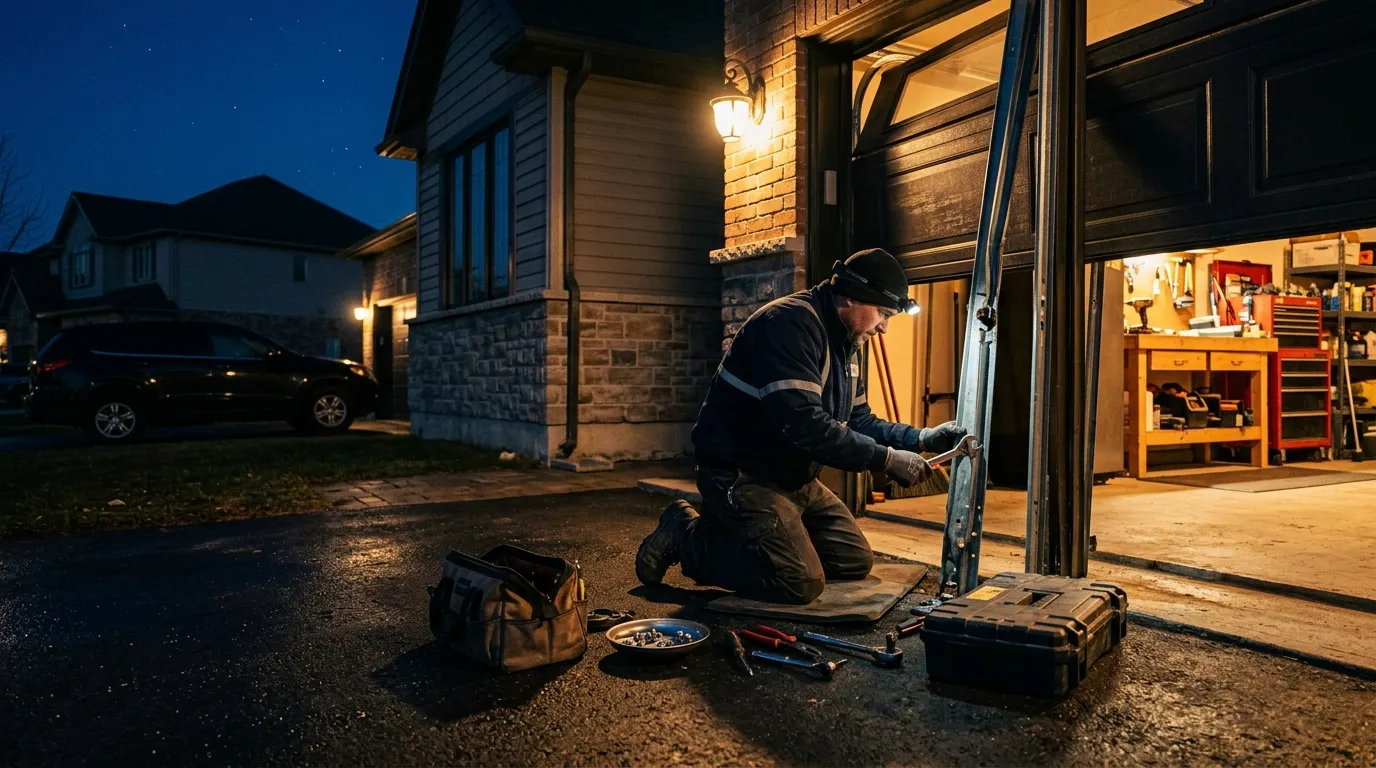
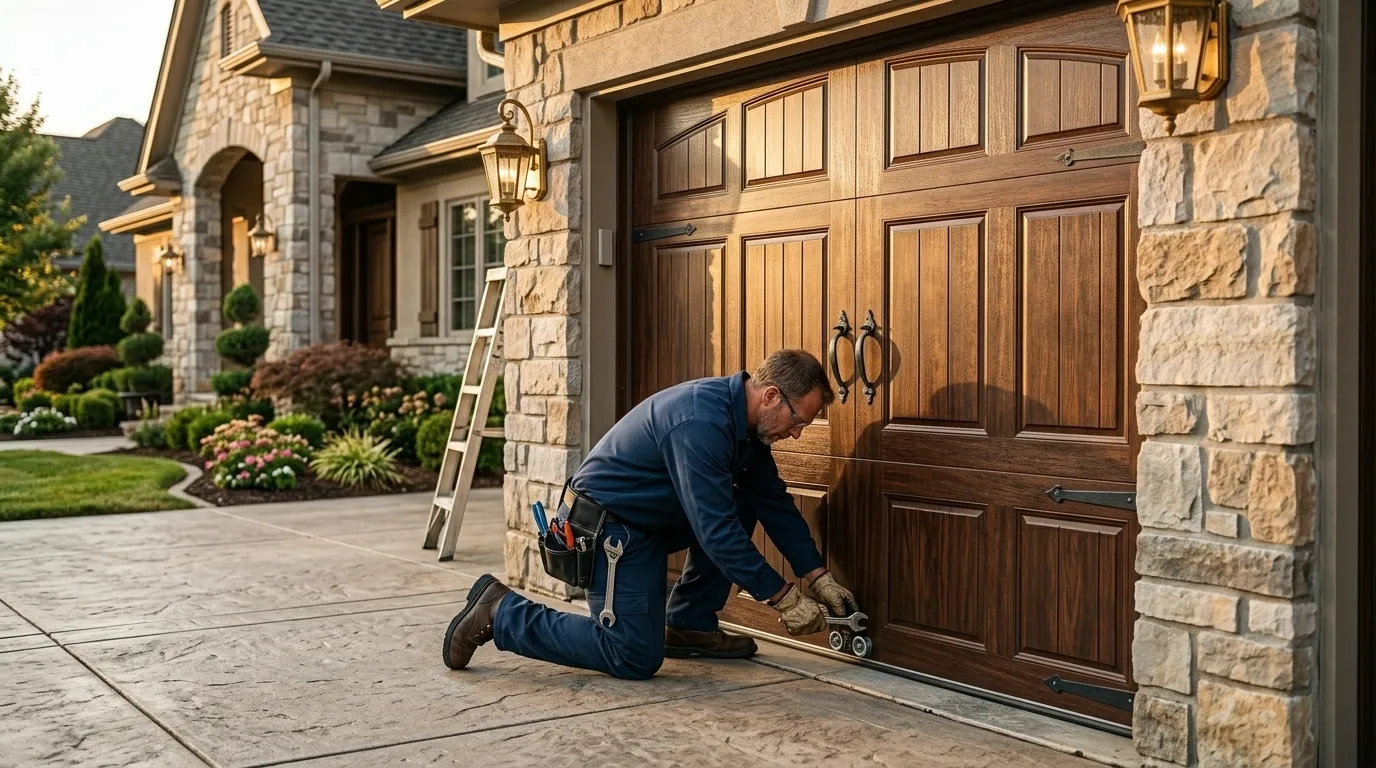
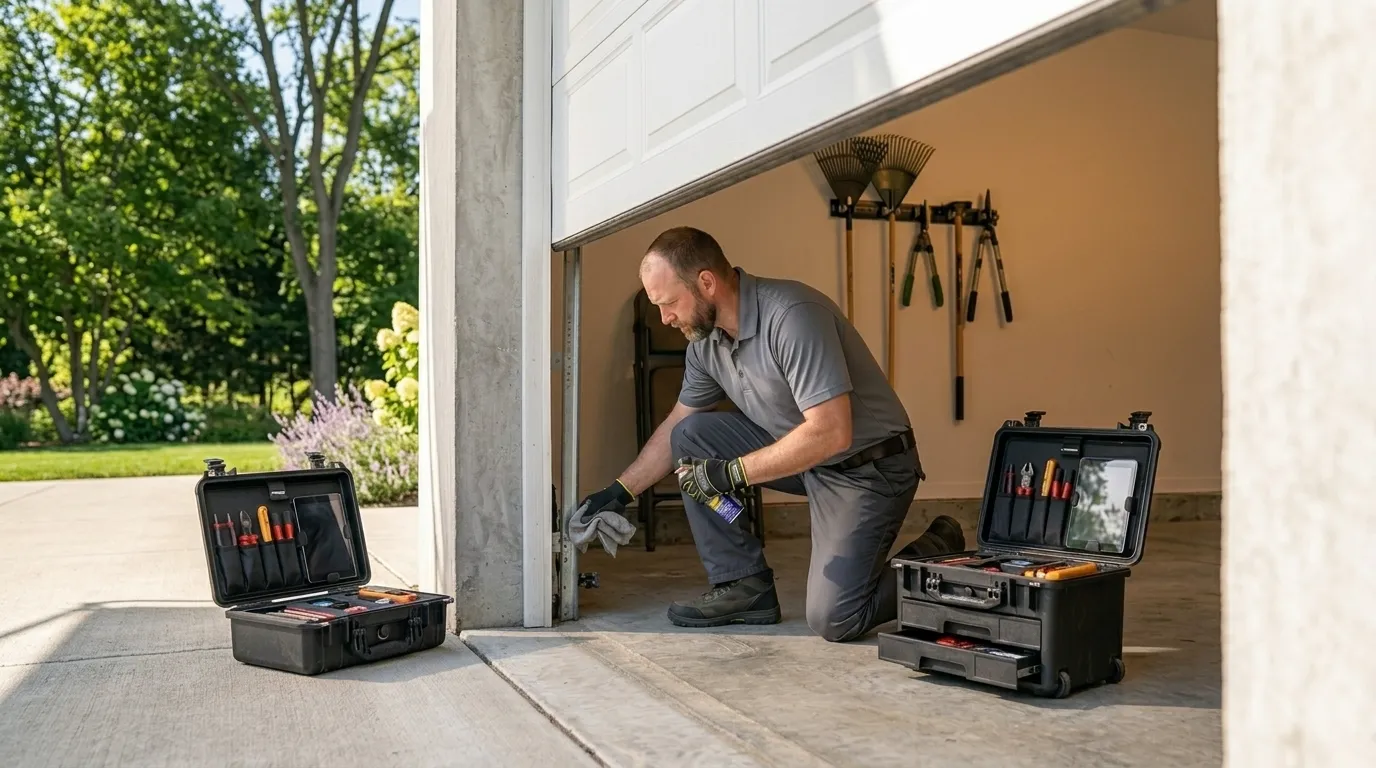
We run out to Vado from Las Cruces, about 16 miles each way, so maintenance visits here get scheduled rather than same-hour - there's no branch or drop-in shop in Vado itself. On site, a maintenance call means checking torsion spring tension against the door's actual weight, cleaning and re-lubricating rollers and hinges, testing the auto-reverse if the opener has one, and inspecting panel seams for the heat-driven separation common on doors this age. If the door is a 1985-era steel unit with no insulation, we'll flag where the weatherstripping and bottom seal have hardened past the point of doing their job. We don't stock every obsolete part for chain-drive openers from that era, and if yours needs one, that part sometimes has to be sourced before we can finish the job - we'll tell you up front if that's the case. For more on how this fits into general upkeep across the wider area, see the Las Cruces maintenance page; for other work on your door, see Vado garage doors.