What Can Go Wrong
Most houses in this part of the county went up in the 1980s, and Vado's own housing stock runs right around that median year - 1985. Openers from that era are chain-drive units built before rolling-code security and before any kind of battery backup, and a lot of them are still running on their original motor gears. When those gears finally strip, homeowners often assume the springs failed instead, because the door won't move and the noise sounds similar. A second common failure here is the wall control - old push-button units wired straight to the motor with no photo-eye sensor at all, which some inspectors now flag on resale. Third: garages built in this window often used a single interior light socket wired through the opener itself, so when the opener dies, the garage goes dark along with it. None of these are exotic problems, but they're specific to a house built when yours was, not to garage doors in general.
Why This Fails Locally
This region sits in a severe-heat climate band, and that matters more for openers than most people expect. A motor mounted in an unvented garage attic space spends its summer afternoons at temperatures well above what the manufacturer rated the unit for, and heat is what kills capacitors and drive-belt lubricant faster than age alone does. On an 80s-era chain-drive opener, the steel chain also expands slightly under heat and needs re-tensioning more often here than it would in a milder climate - skip that and you get a door that slaps or jumps on the rail. We see more burned-out logic boards on units installed without any attic ventilation than on units in vented garages, and in Vado's older housing stock, ventilation wasn't standard when these houses were framed.
How We Fix It
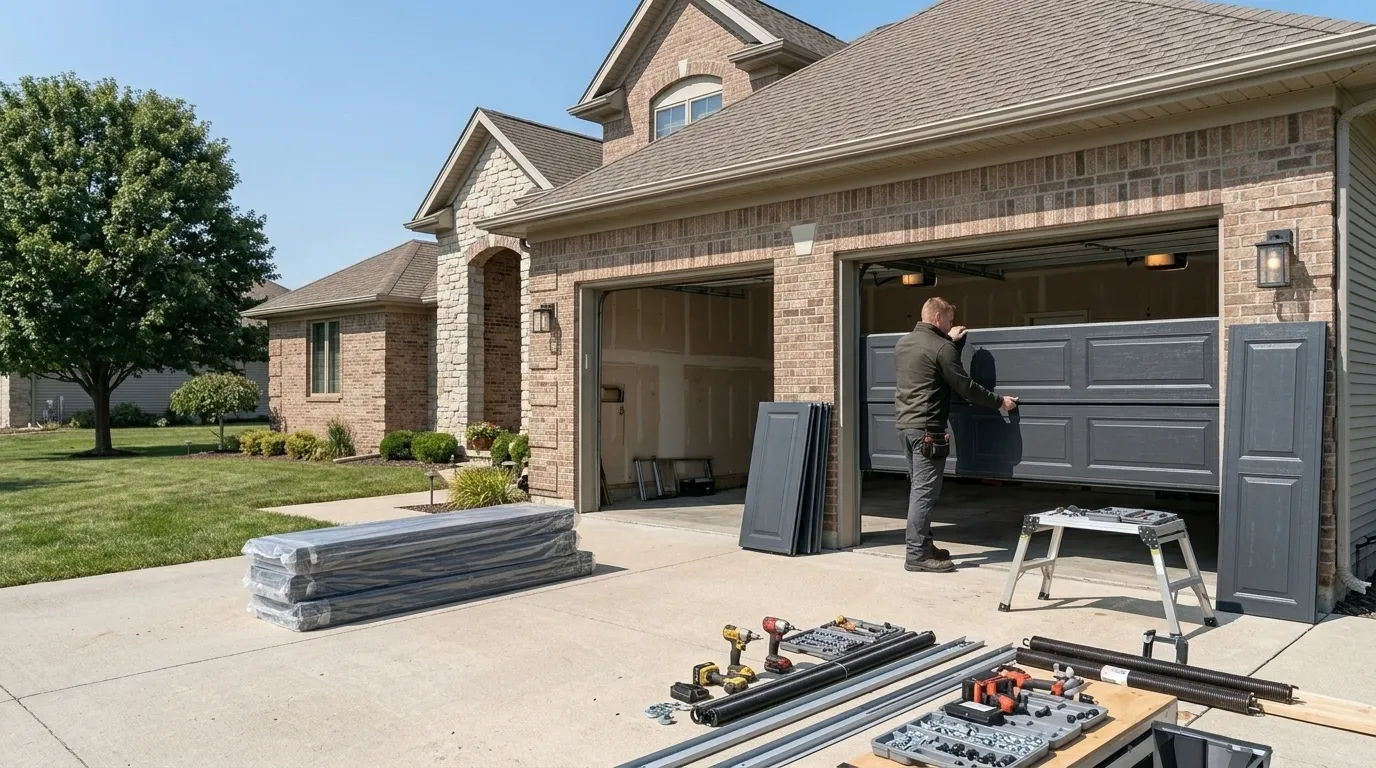
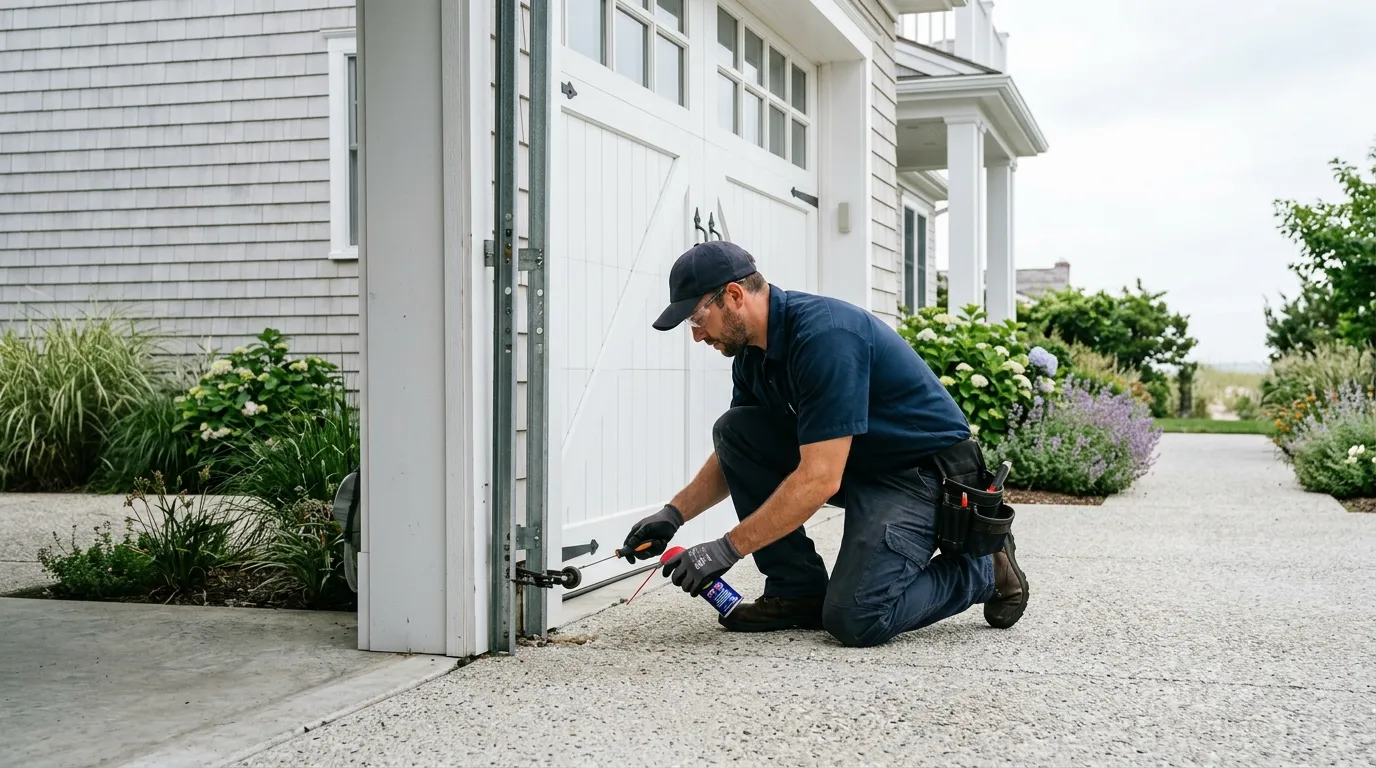
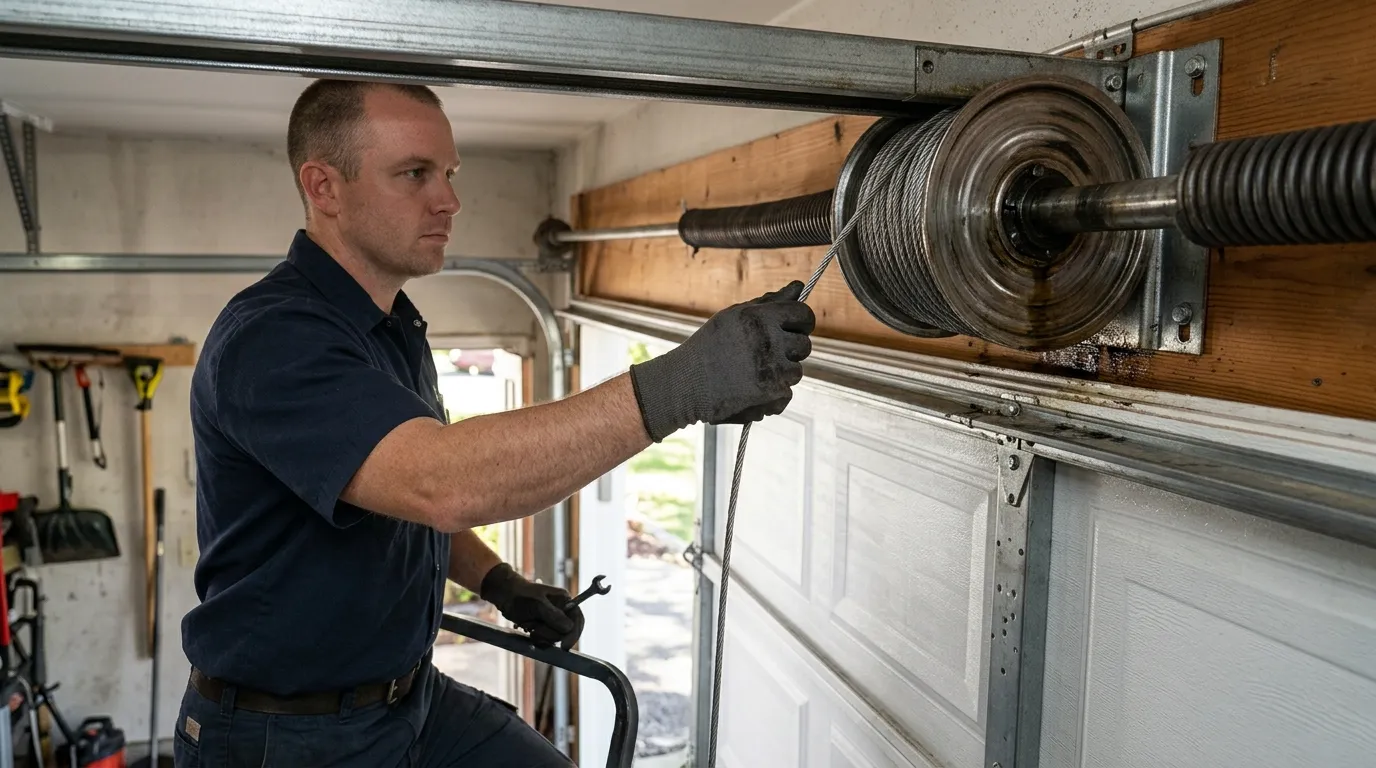
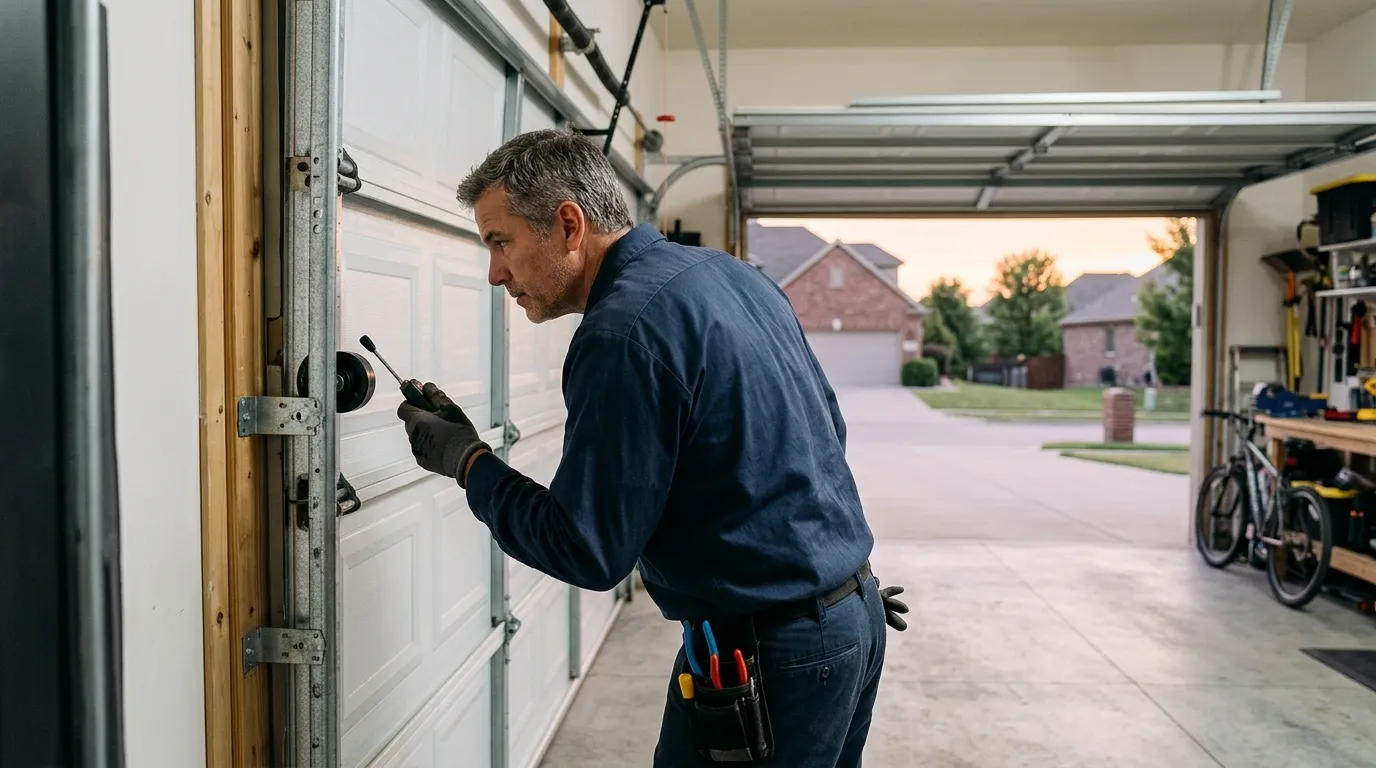
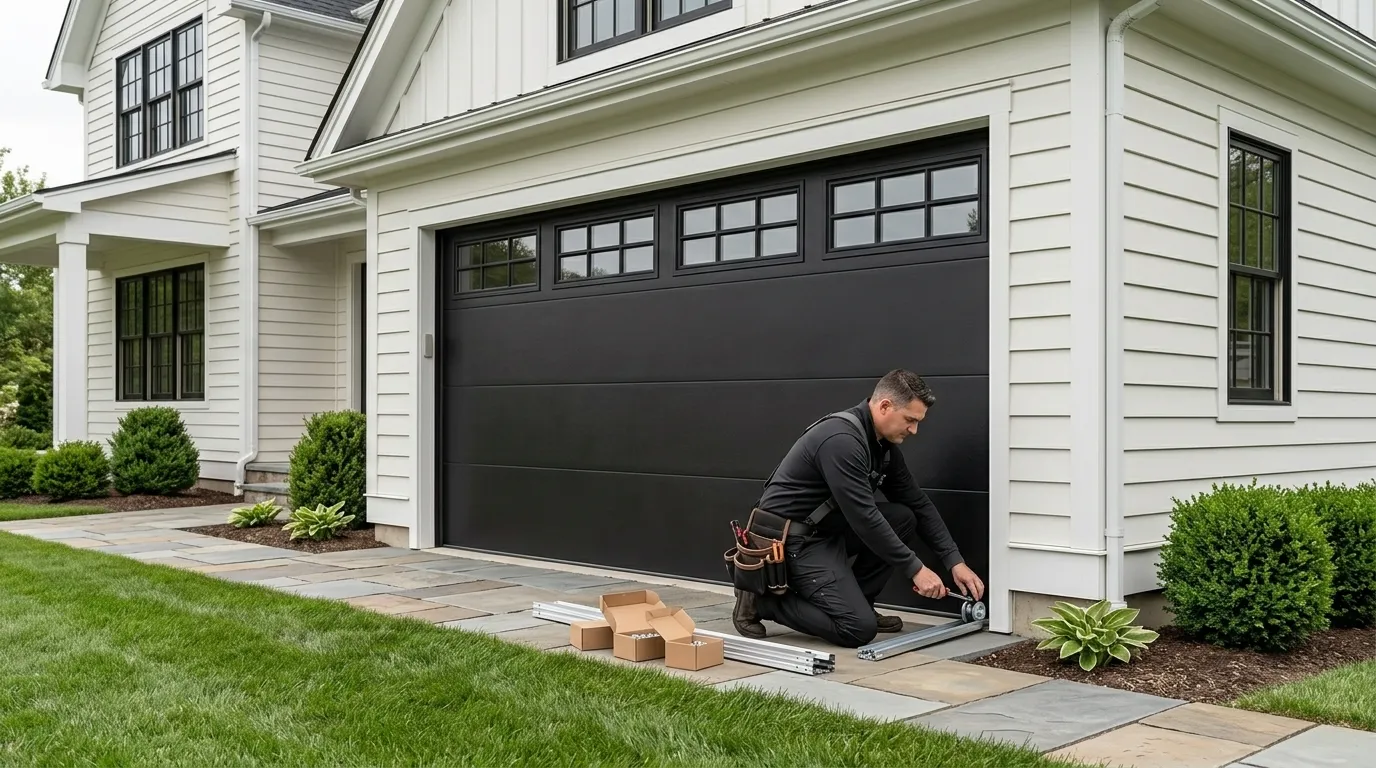
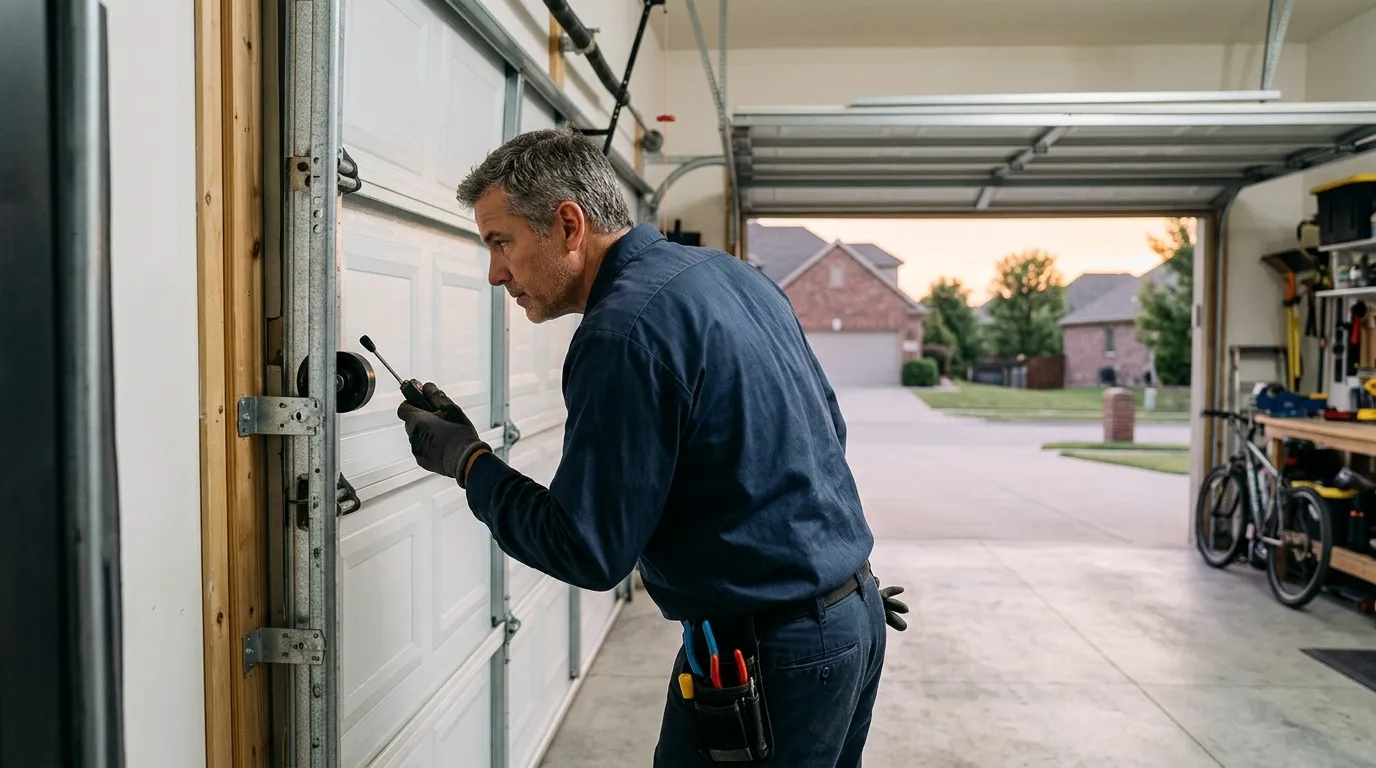
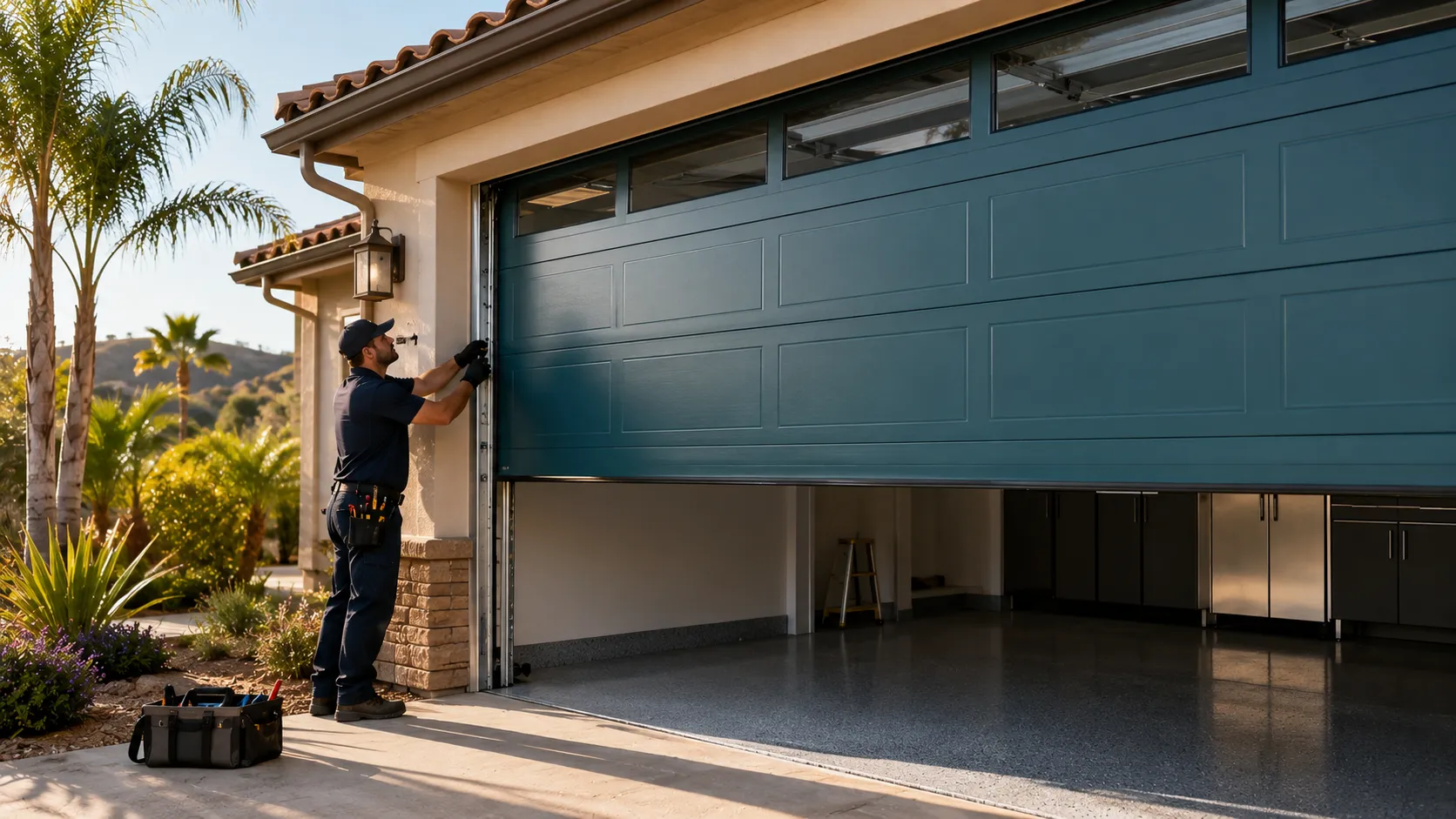
We start by checking the door itself before touching the opener - on a house from the mid-80s, a spring that's lost tension can make a perfectly good opener strain and act like it's failing, and installing a new unit onto a door that's out of balance just shortens its life. Once the door checks out, we pull the old unit, check the rail for wear or bend, and reuse what's sound rather than replacing hardware that doesn't need it. New installs get a photo-eye safety sensor as standard, since a lot of the original units out here never had one. We test the unit through a full open-close cycle under actual load before we call the job done, not just a bench test. One limitation worth saying up front: we don't stock every rail length on the truck, so if your garage has a non-standard door height, that piece may need to be ordered, which adds a day.