
What Can Go Wrong
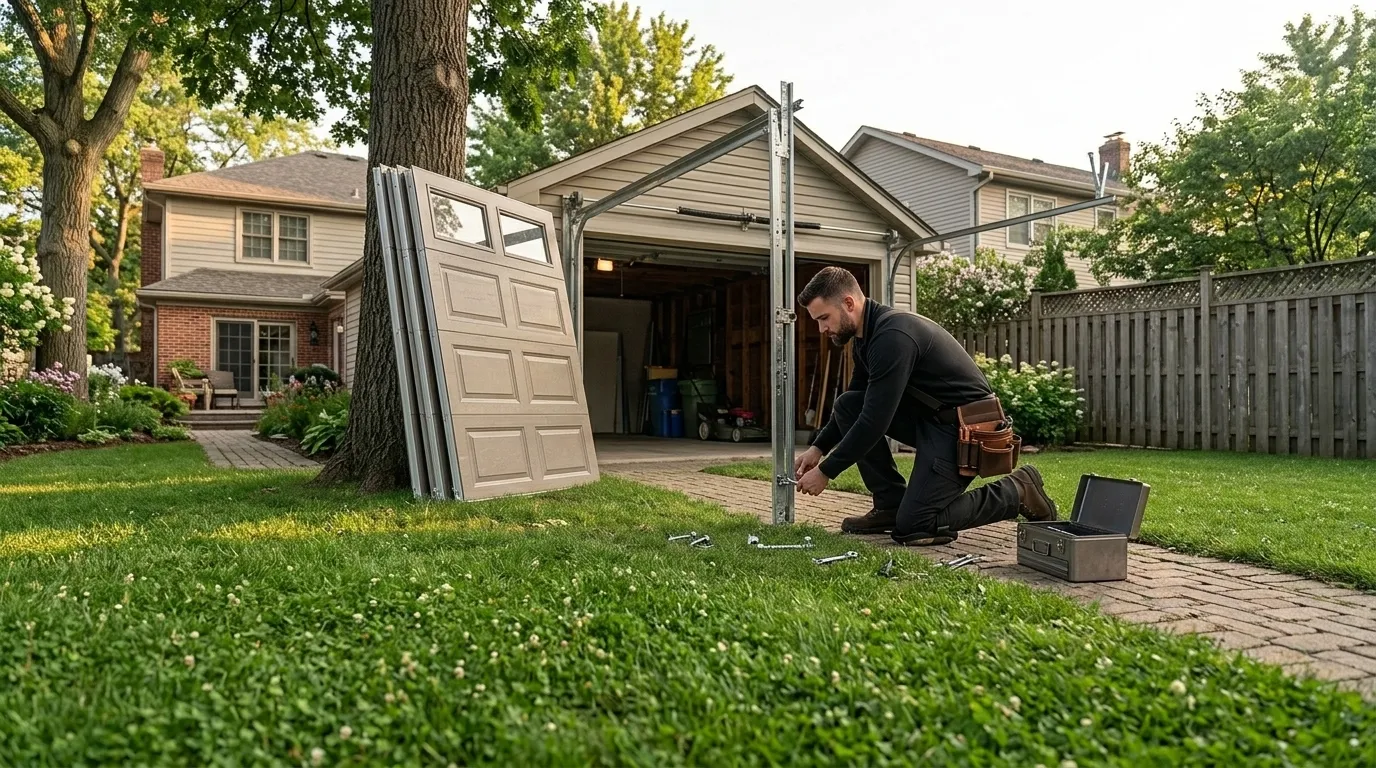
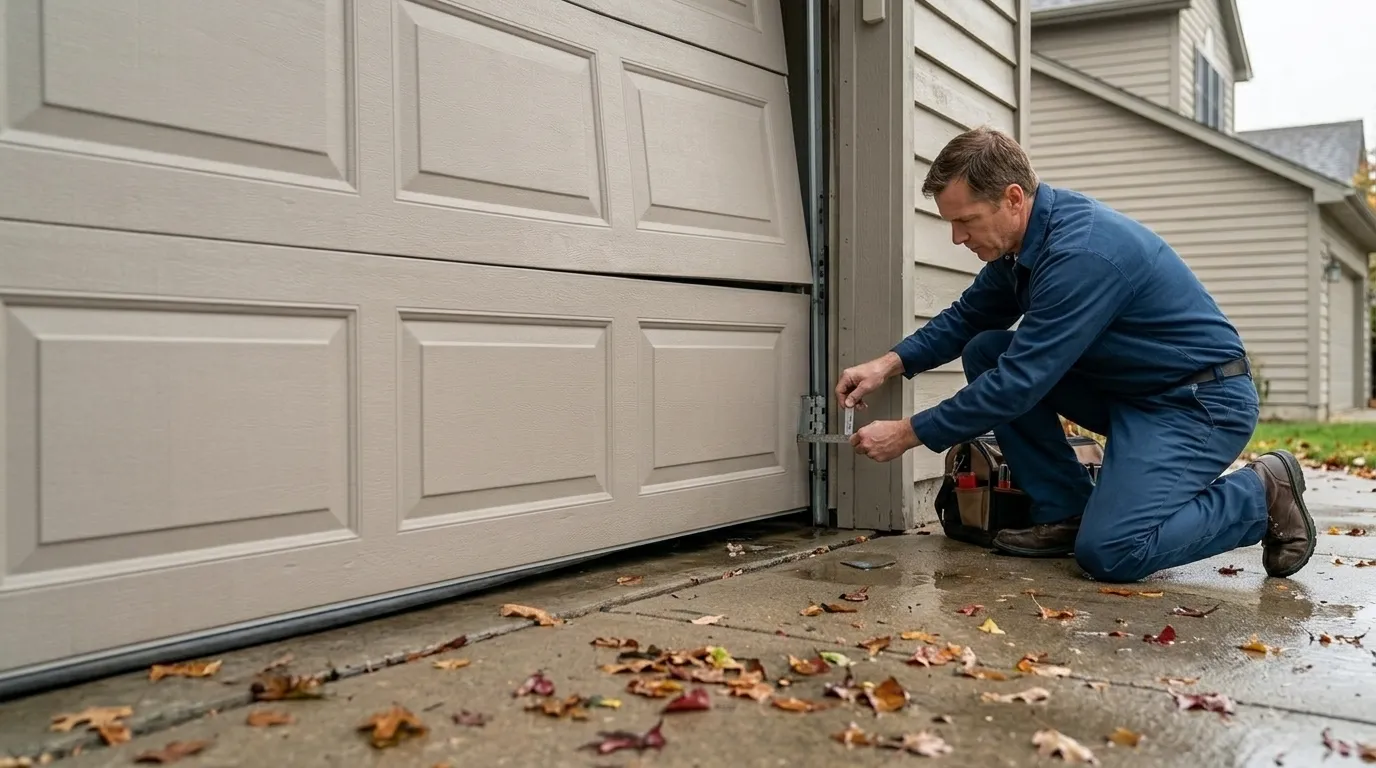
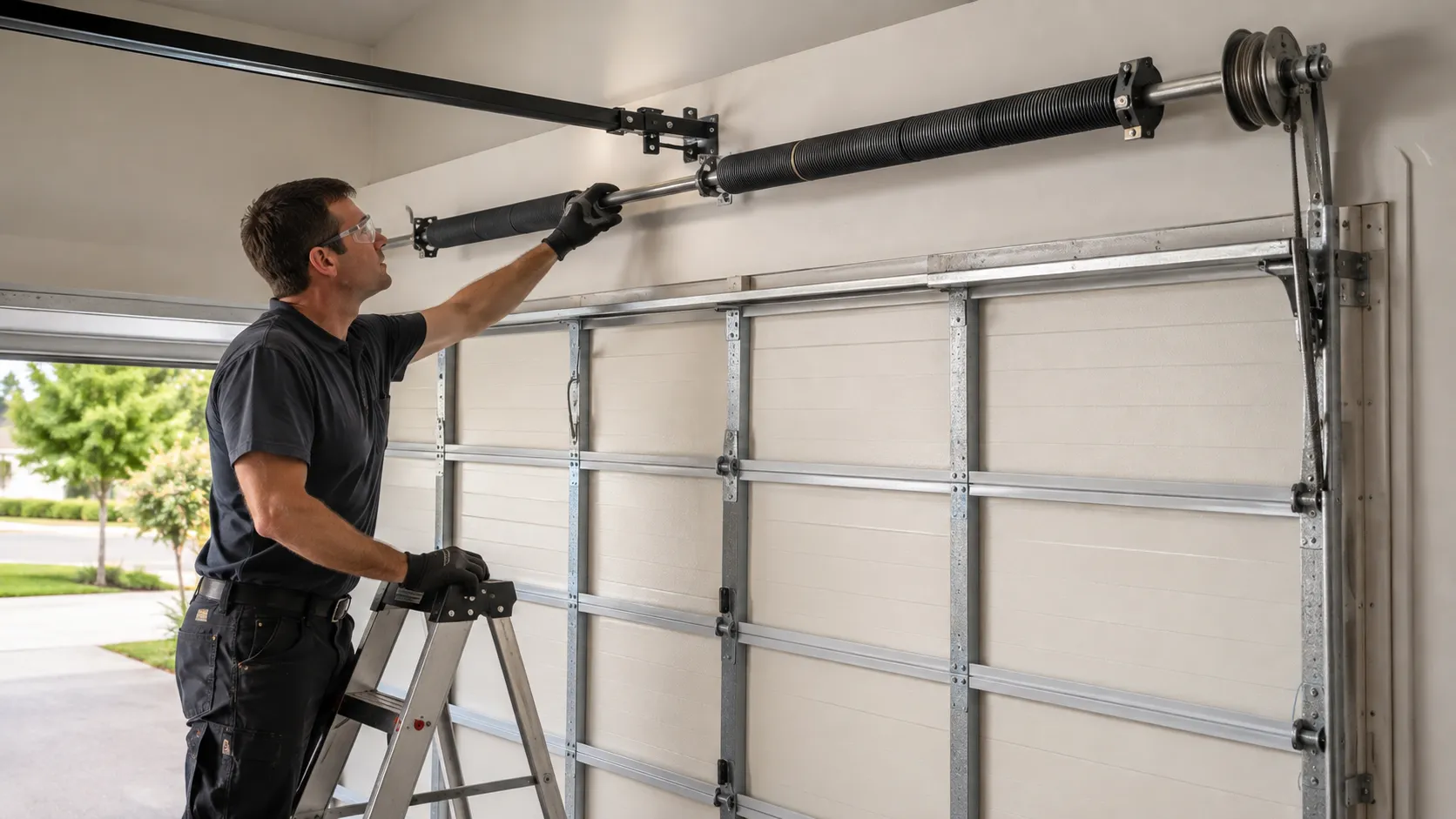
A door installed around 1985 was built for a homeowner, not for 40 years of desert sun. The most common failure we see on stock from that era is the torsion spring going brittle and snapping - heat cycling does that faster than age alone. Vado sits in a severe heat band, and that heat doesn't just wear the spring steel, it also cooks the plastic idler pulleys and gear sets inside openers from that period until they crack. Extension springs on older two-car doors lose tension unevenly, so one side of the door drops before the other and the whole panel racks in the track. Steel rollers from that build era, run dry for decades, wear the track lip until the door binds instead of gliding. None of this is exotic - it's just what happens to a specific kind of hardware, in a specific climate, after roughly forty years. The failure pattern on a 2015 door looks nothing like this.
Why This Fails Locally
Median household income in Vado sits at $29,844, well under the $50,000 median for the wider service area. That number changes the conversation before we ever touch the door. On a $50,000-income household, a full replacement is a stretch but usually doable. On a $29,844 median, it often isn't - not without the repair being genuinely necessary. With 930 households here, most sitting on that same 1985-era door, the math points toward keeping hardware alive as long as it's safe to do so, rather than defaulting to swap-it-out. That's a different starting position than we'd take in a neighborhood with newer builds and higher incomes, where replacement pencils out faster. We say this plainly because it affects what we recommend on the phone before we even see the door: we look harder for the repair path here, and we only push replacement when the drum, the shaft, or the frame itself is actually compromised.
How We Fix It
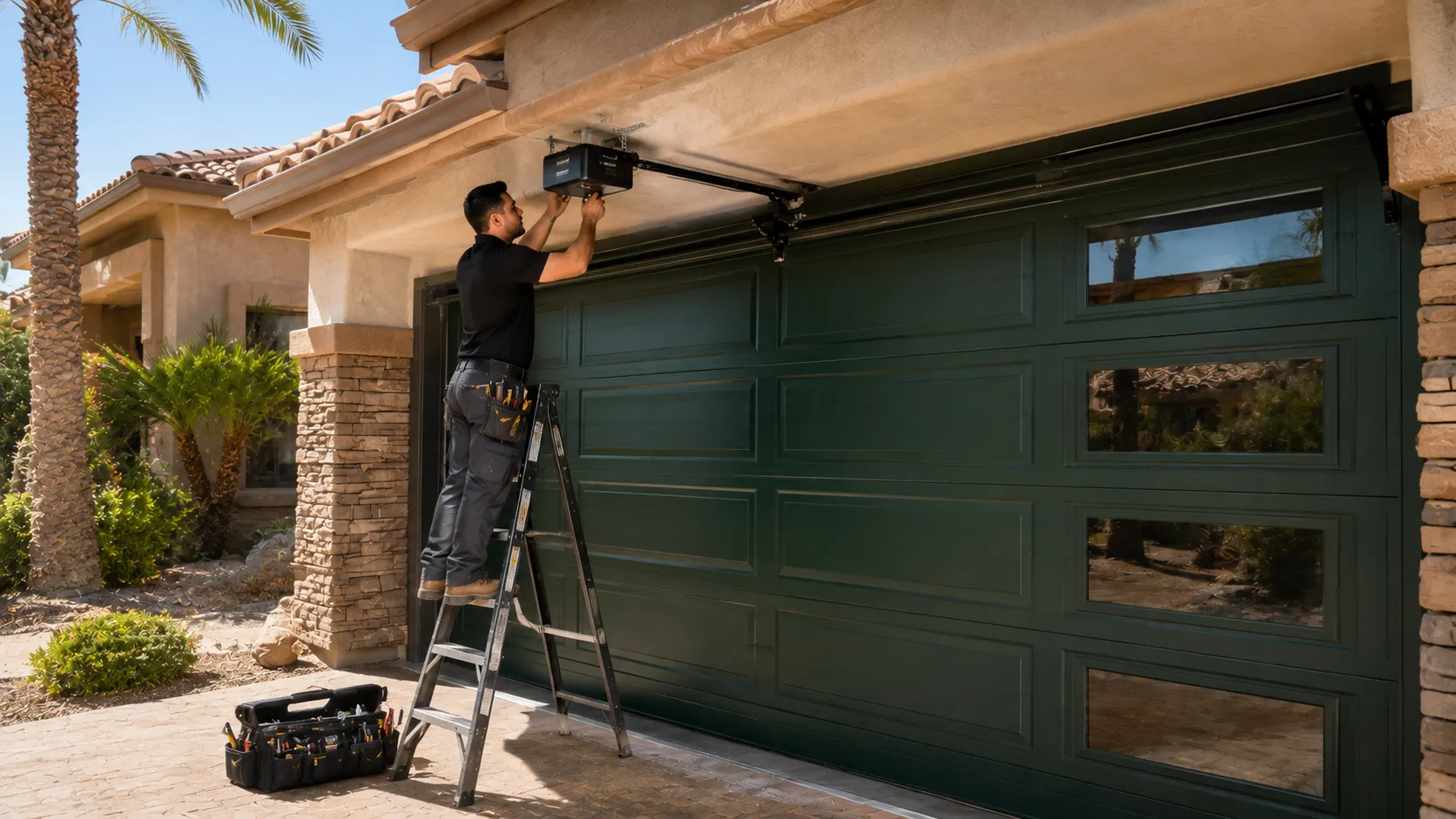
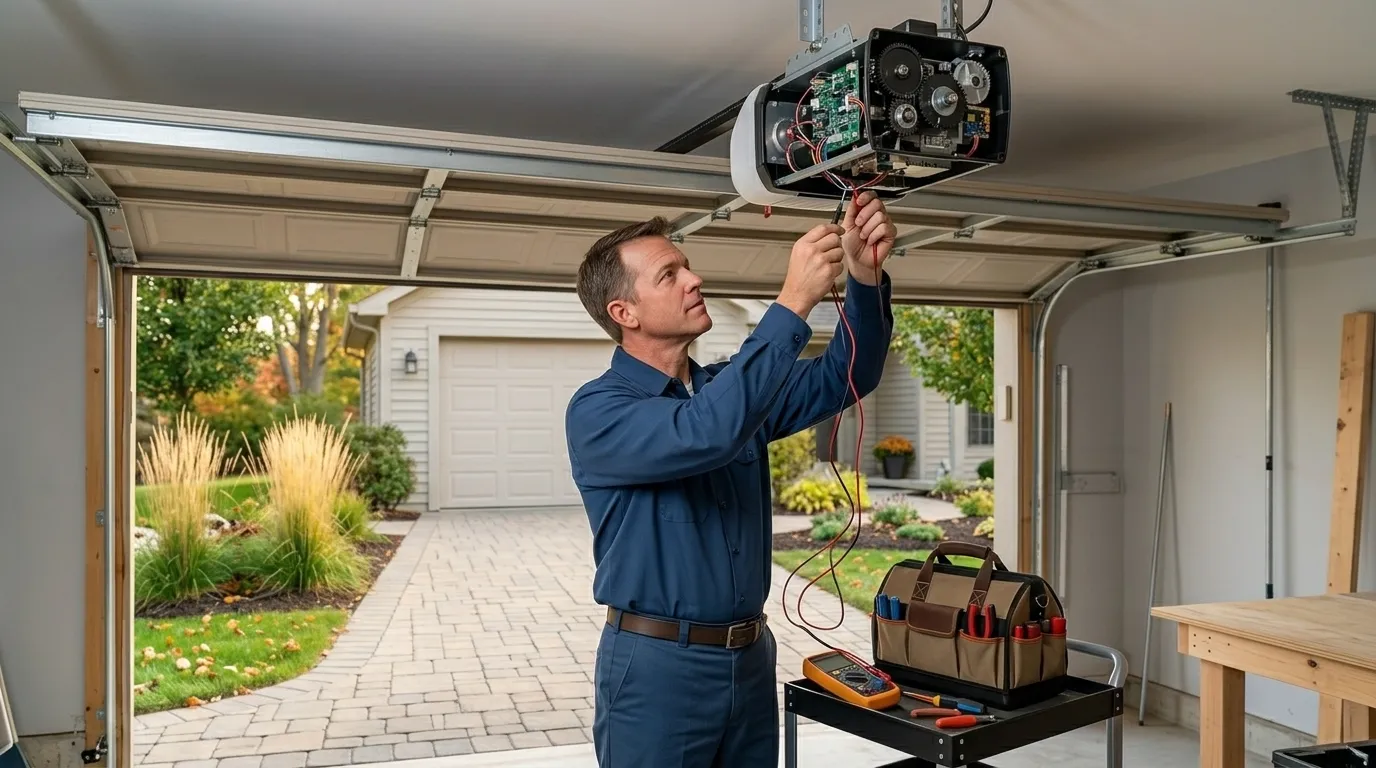
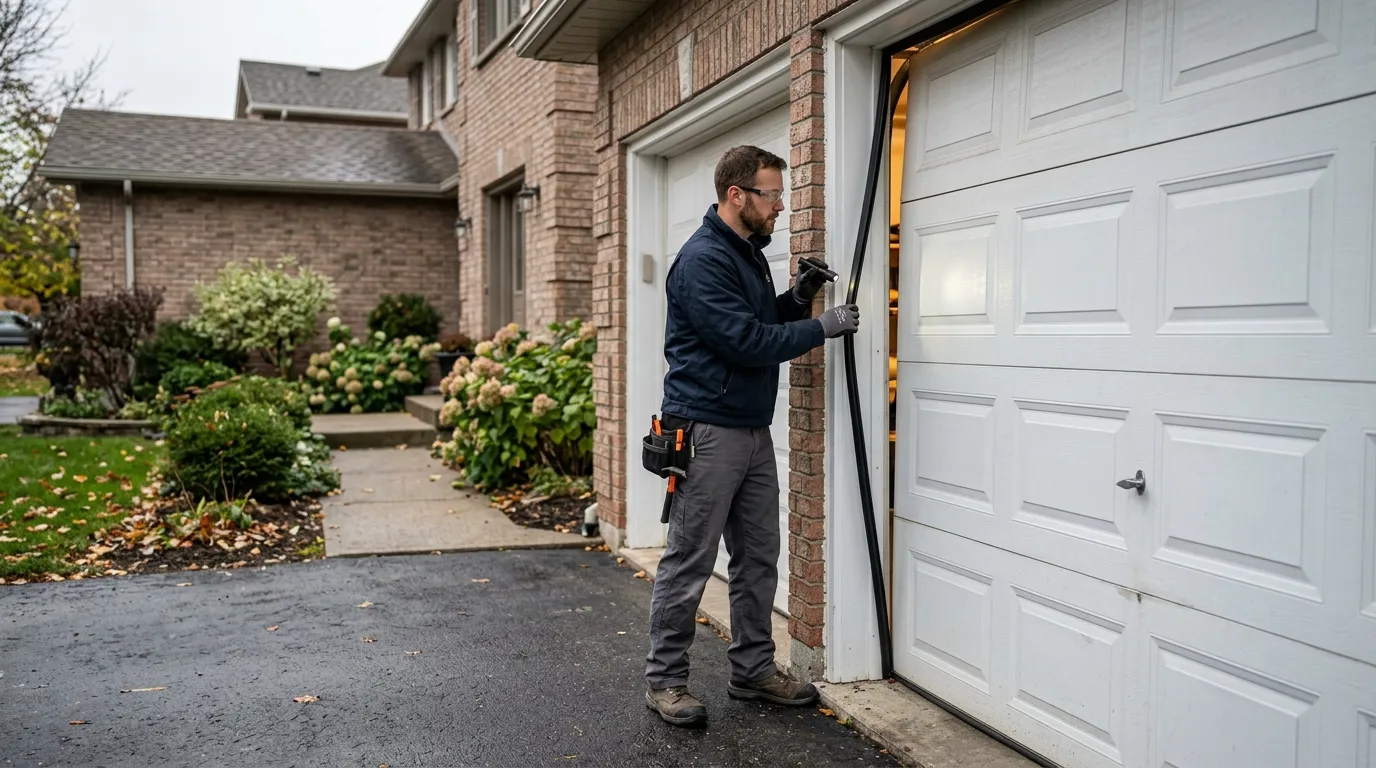
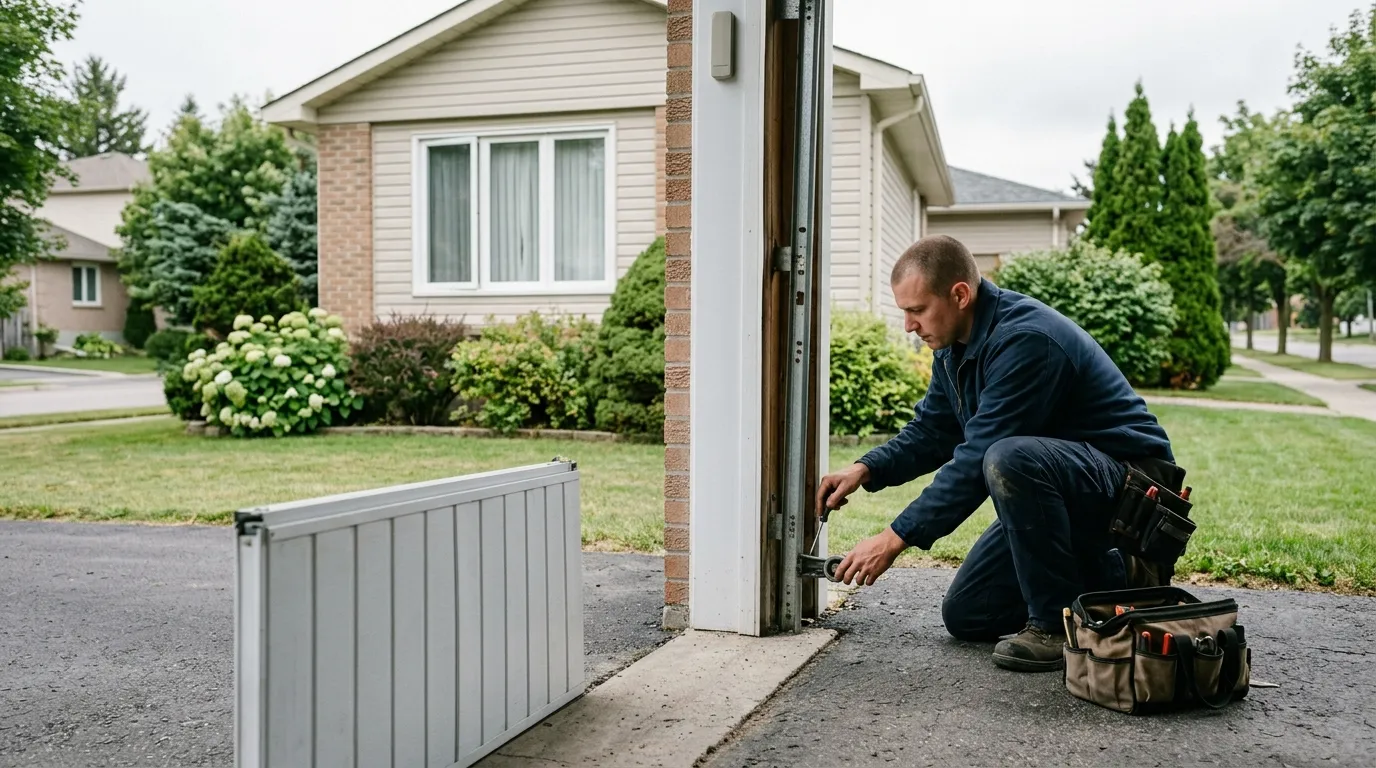
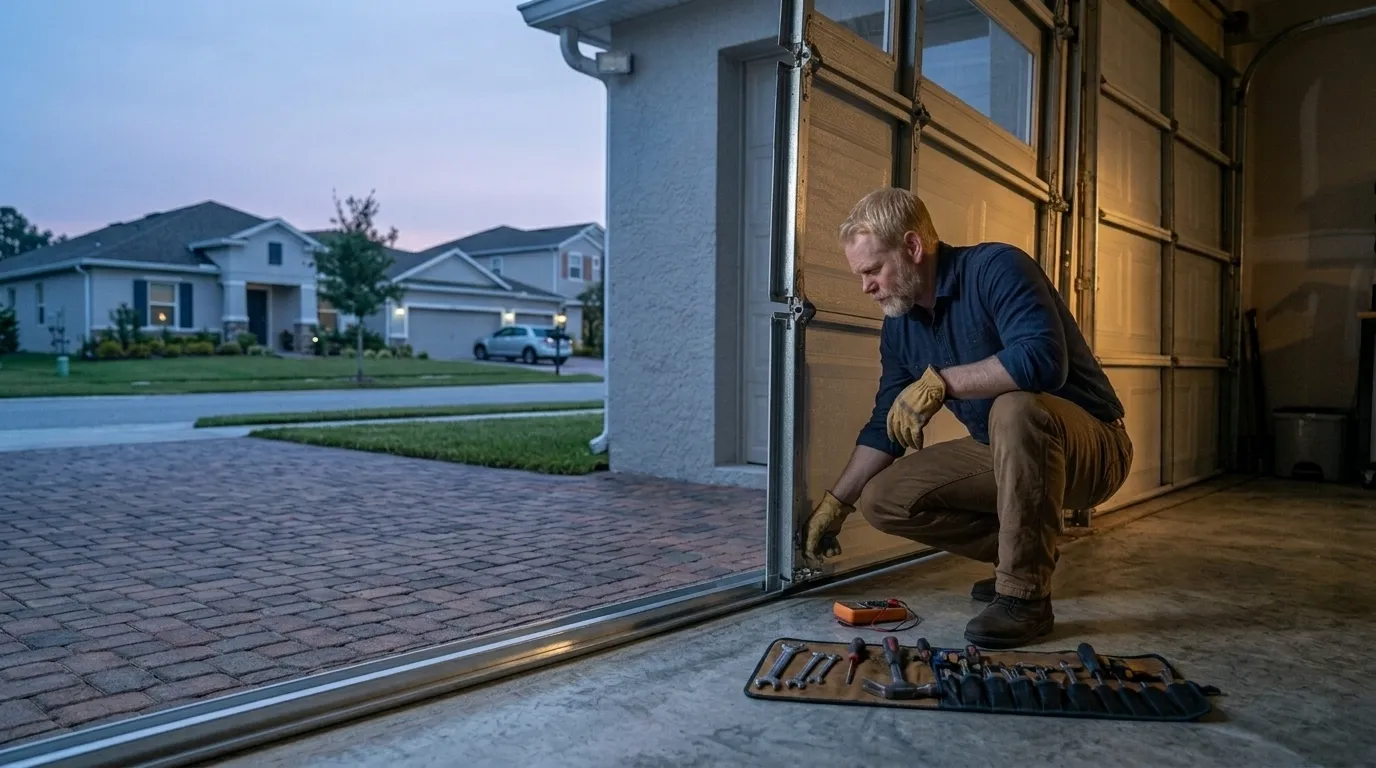
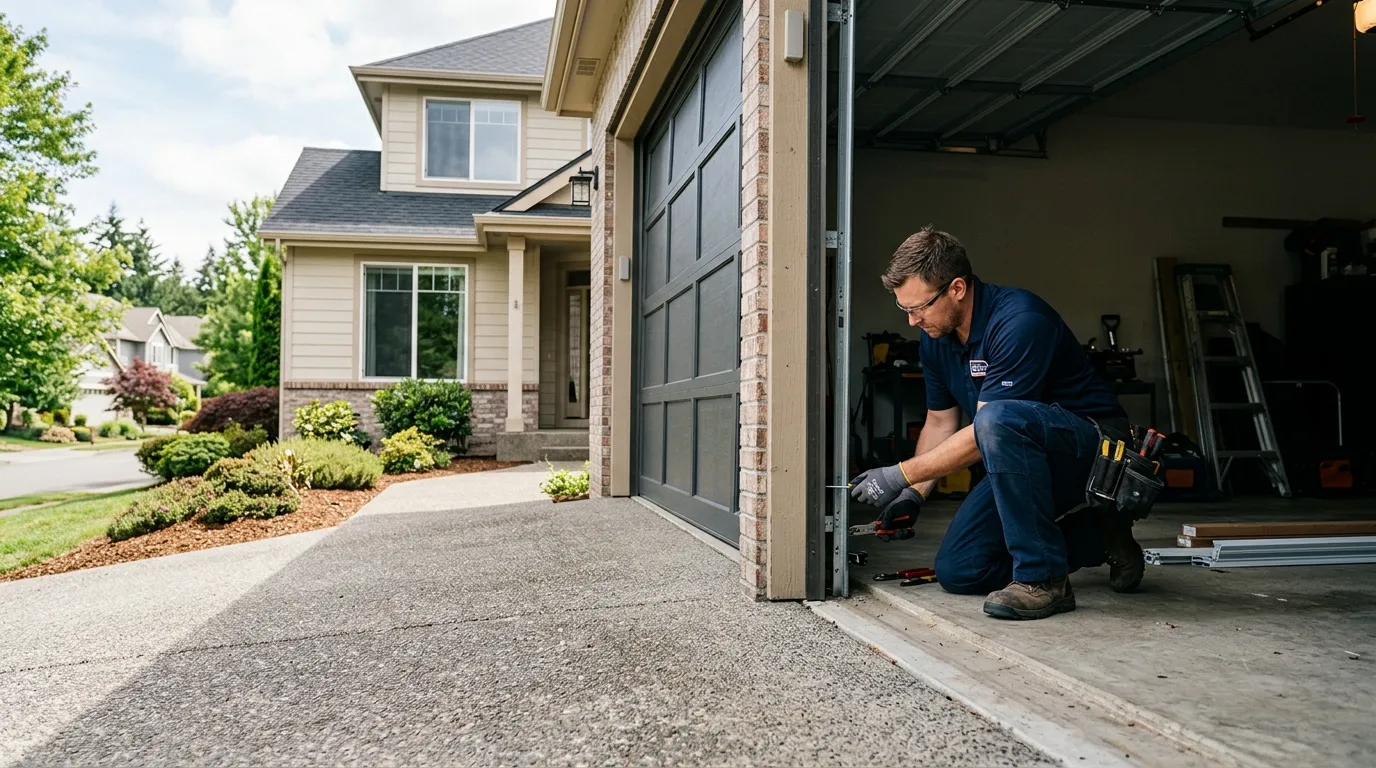
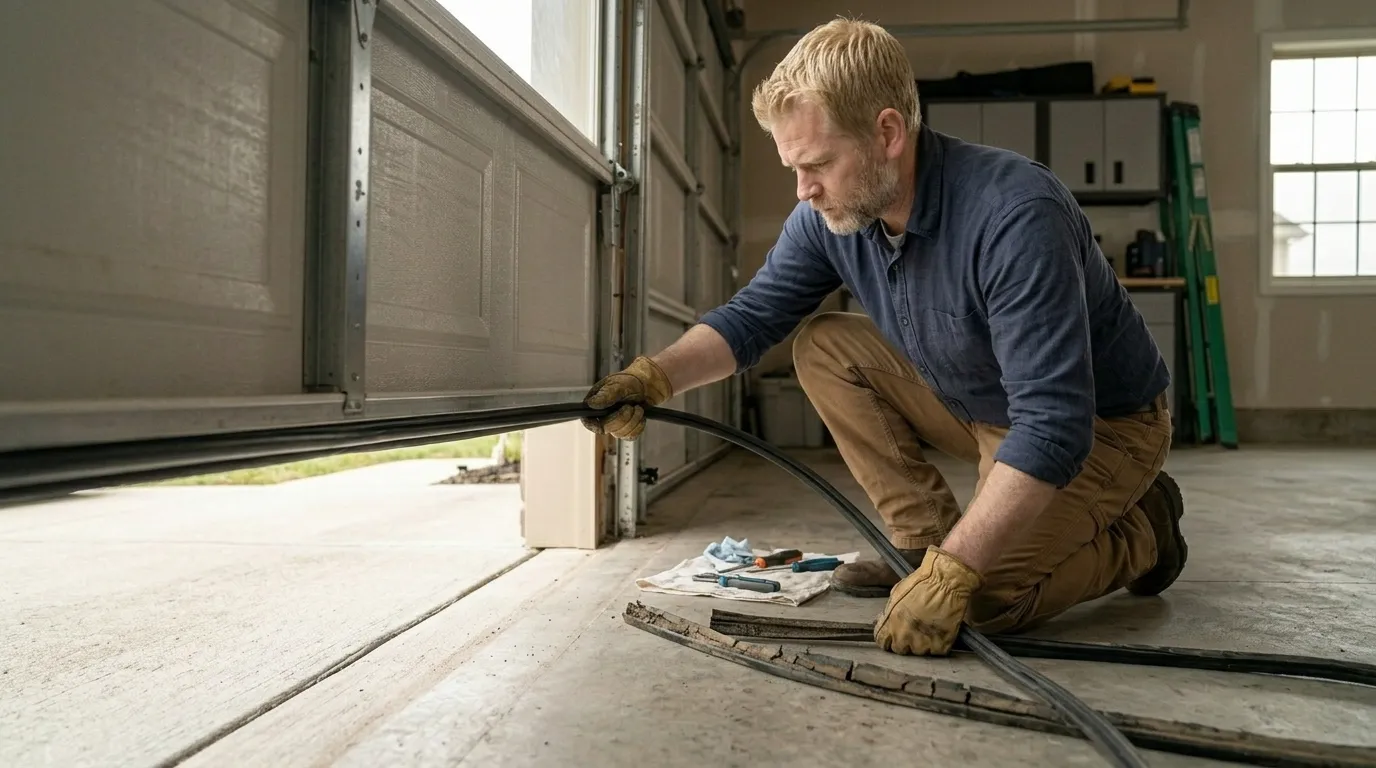
On a 1985-era door, we start by checking the spring type and size against what's actually installed, because torsion and extension setups from that period aren't interchangeable and using the wrong part is how a repair turns into a return visit. We test the opener's gear and capacitor before assuming the whole unit needs replacing - a lot of what looks like a dead opener on hardware this age is one worn part, not a dead motor. Rollers and track get inspected for the kind of lip wear that heat and dry running cause, since that's the failure we see most on doors from this build era. One honest limit: if a part specific to an older opener model is genuinely out of production, we'll tell you that up front rather than stall the job looking for it, and we'll walk you through the closest working replacement instead.