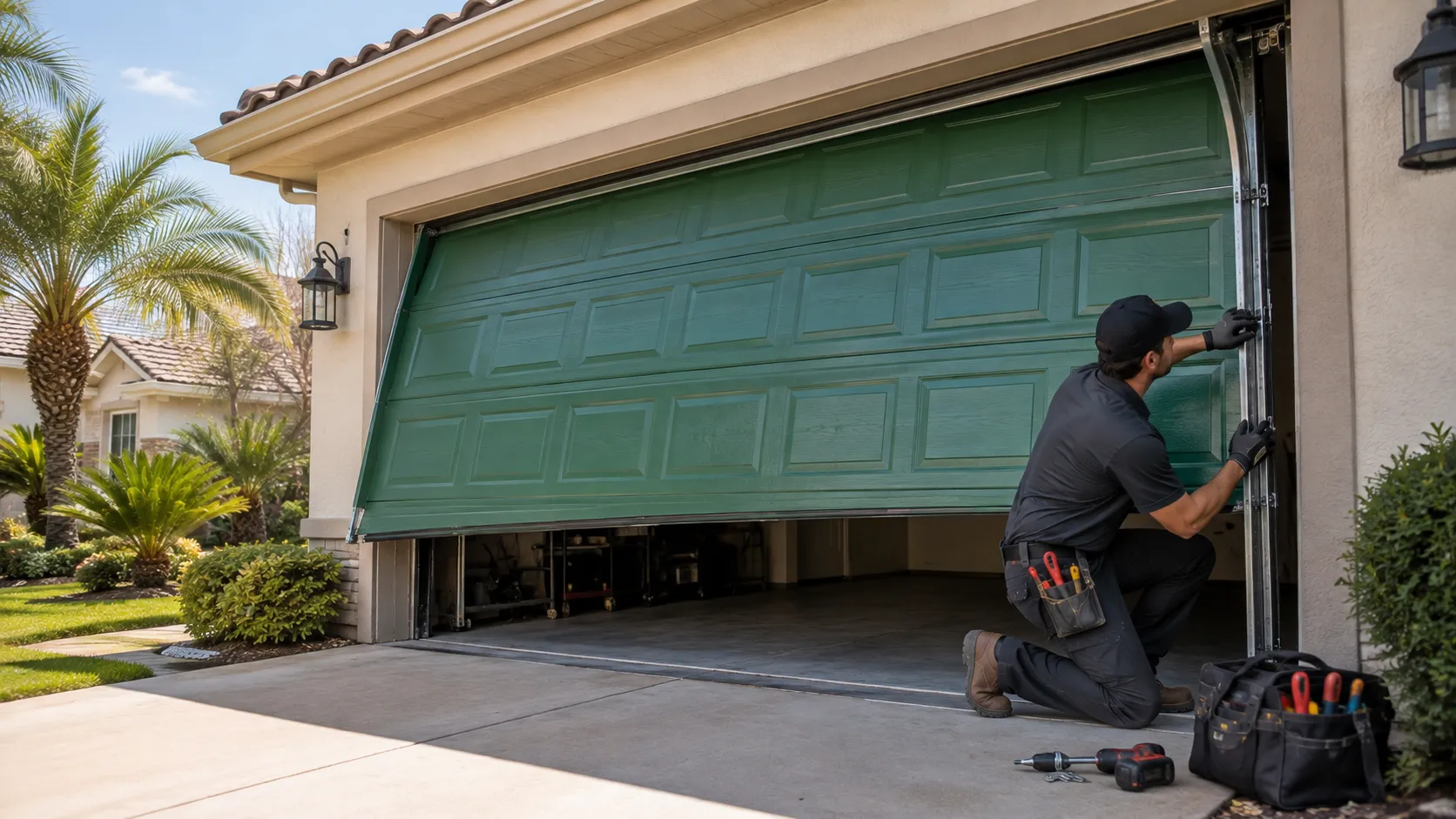
What Can Go Wrong
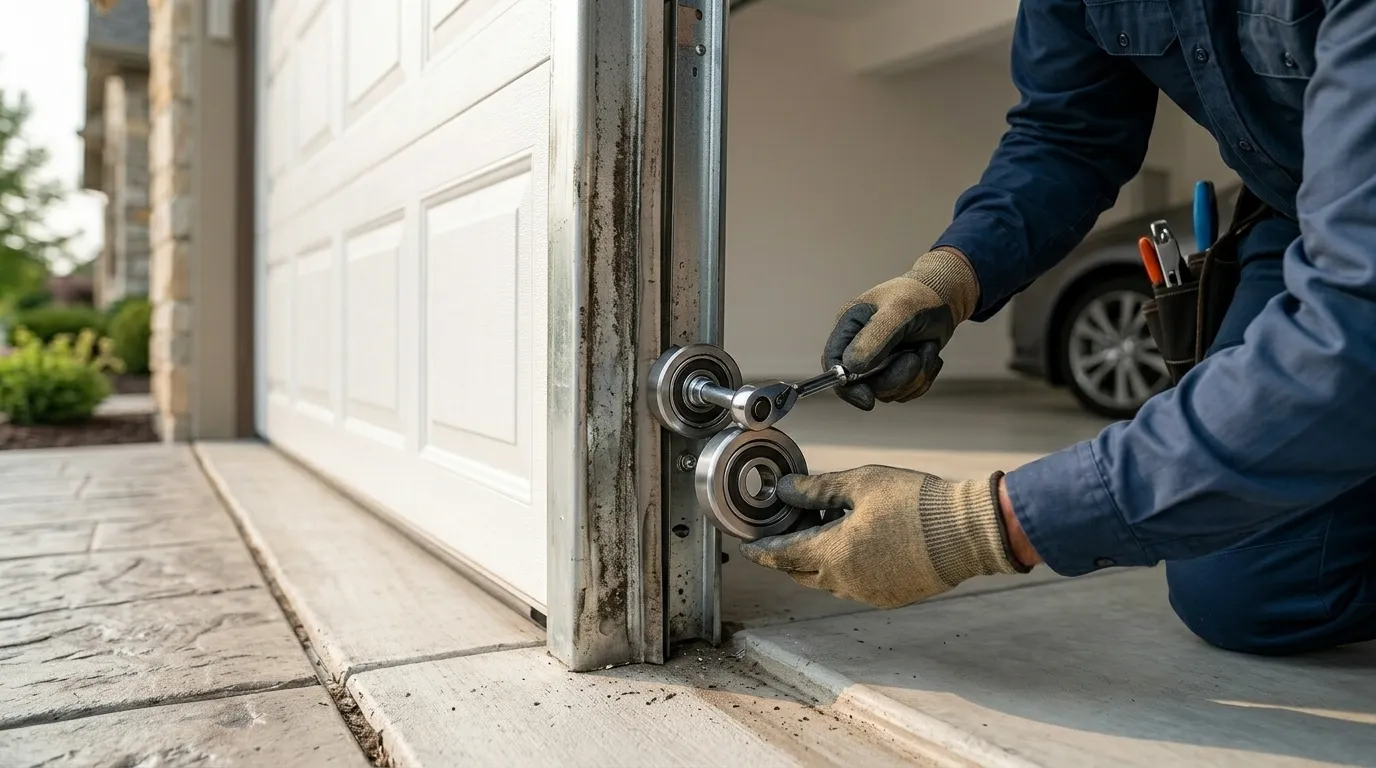
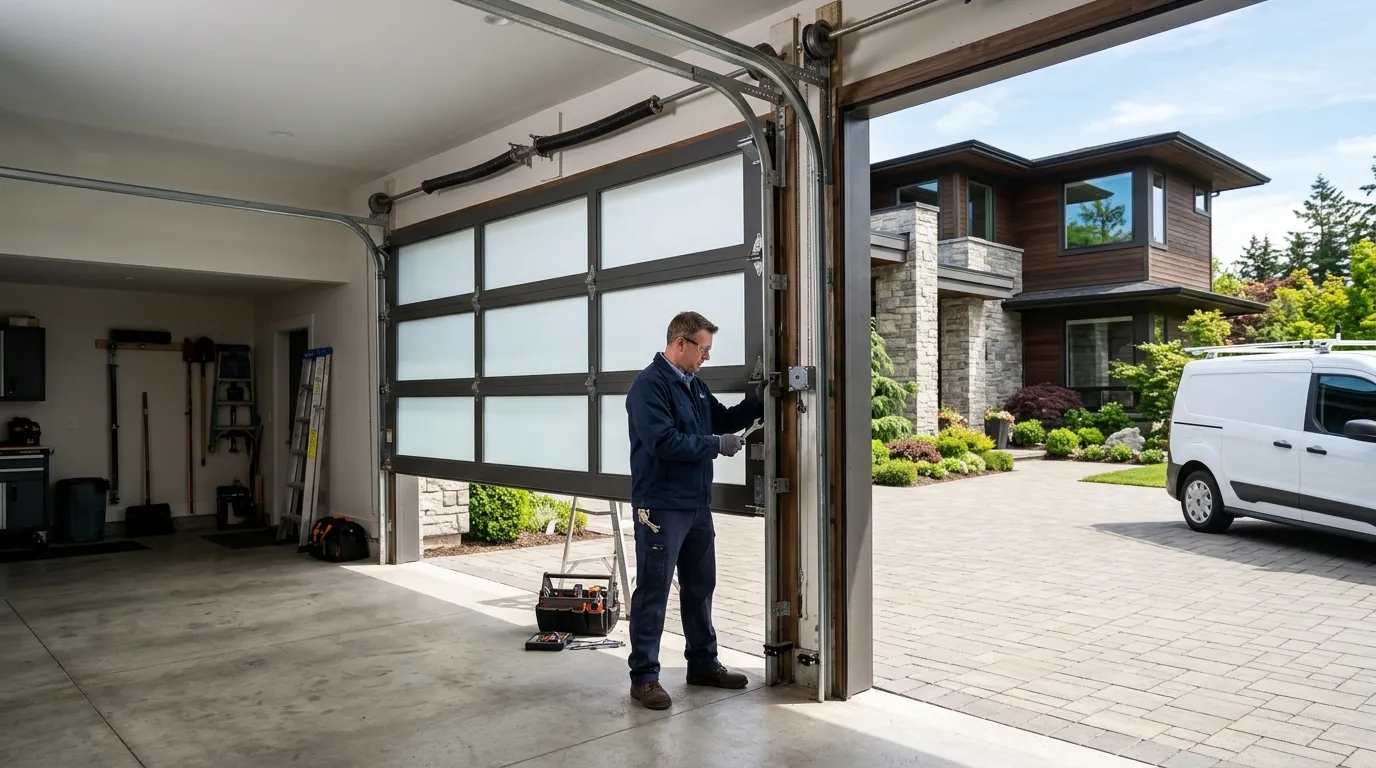
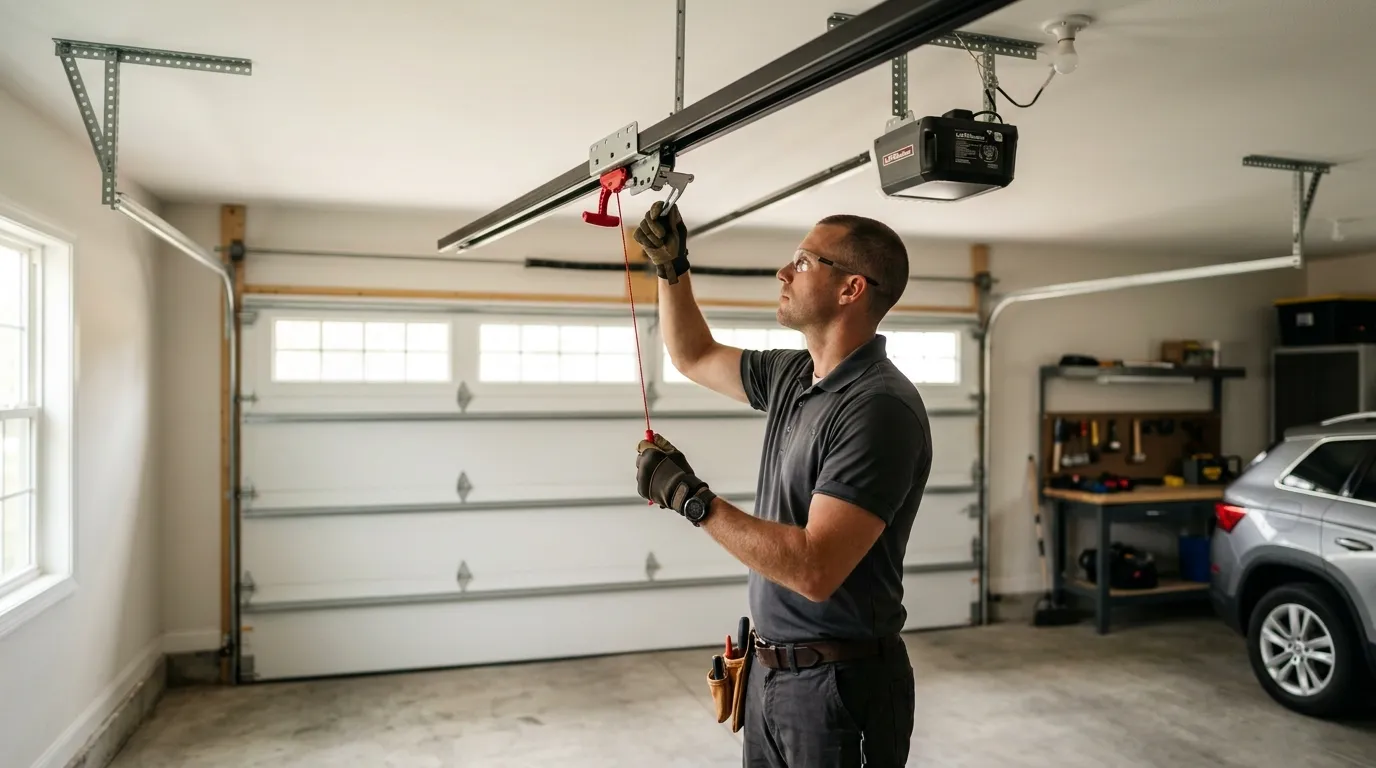
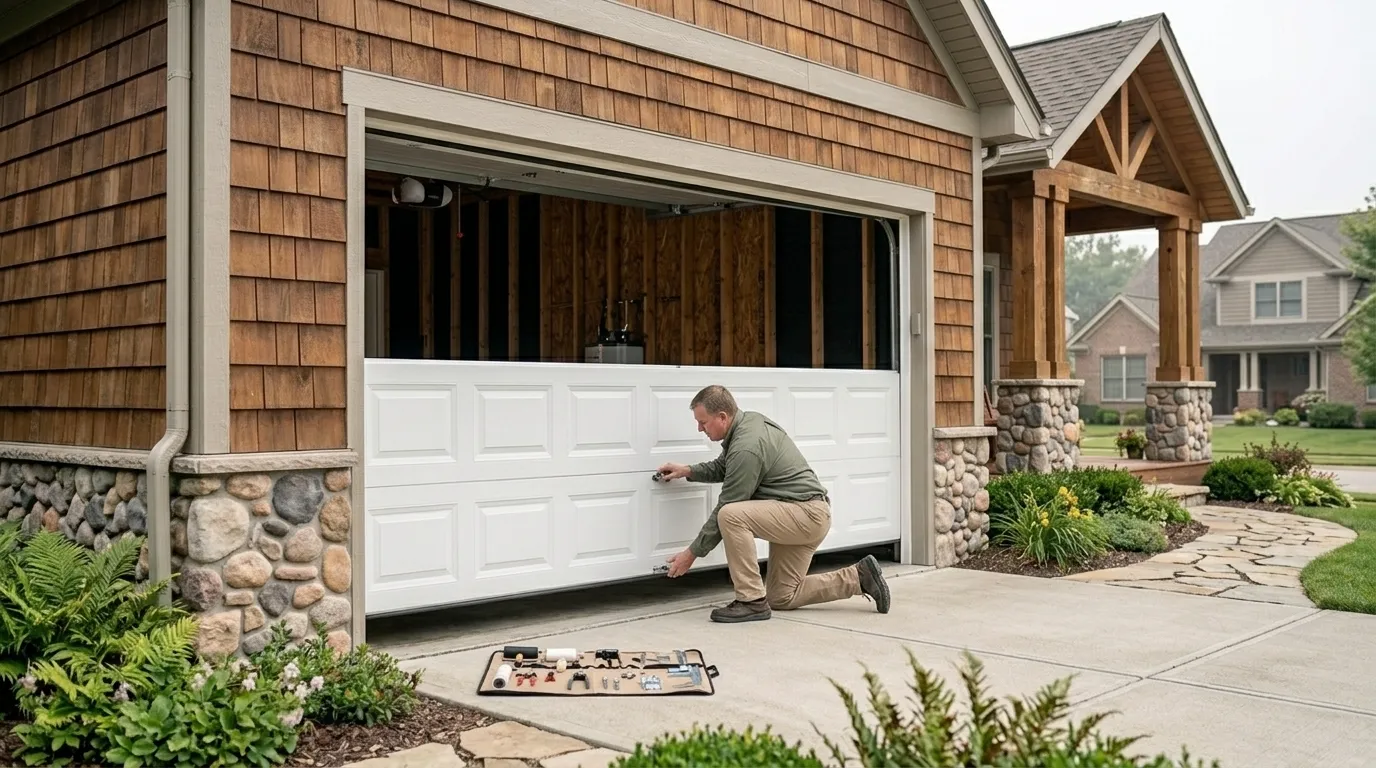
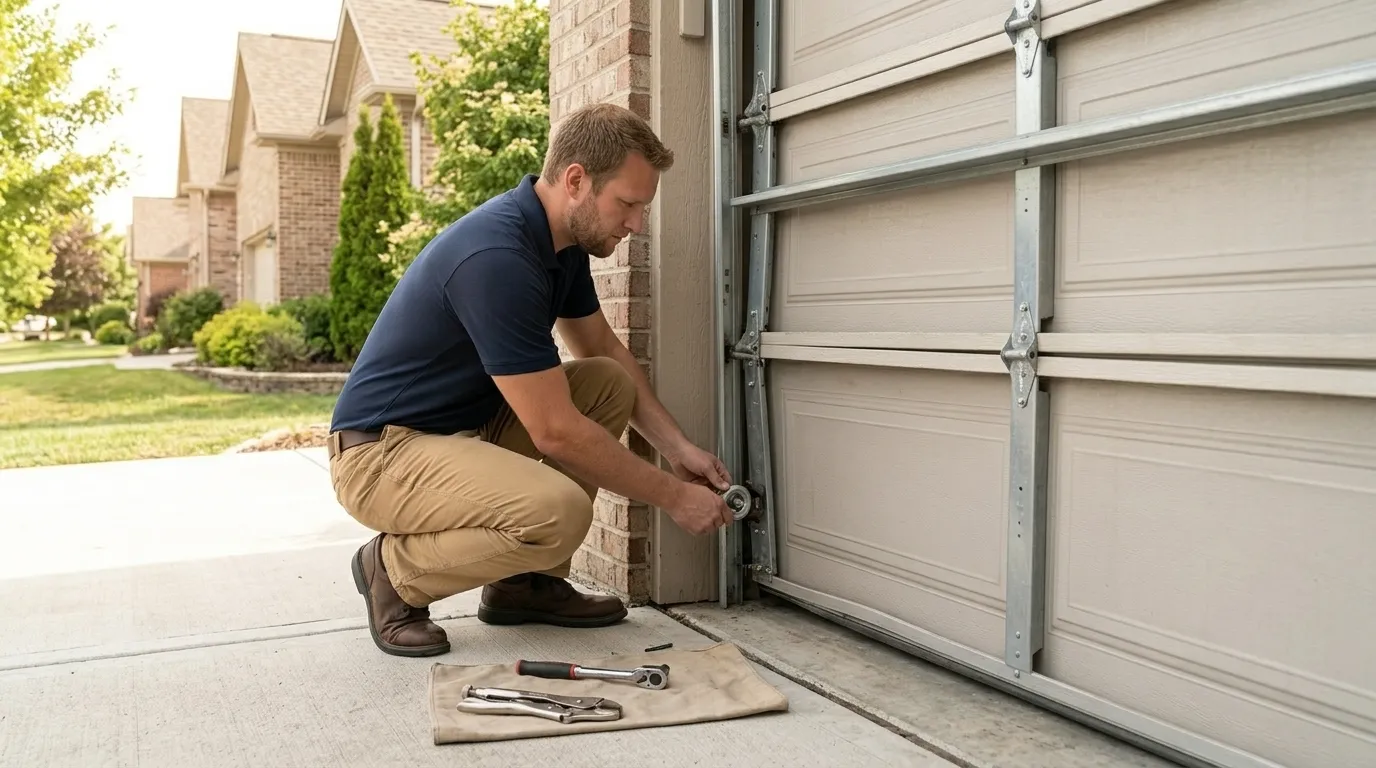
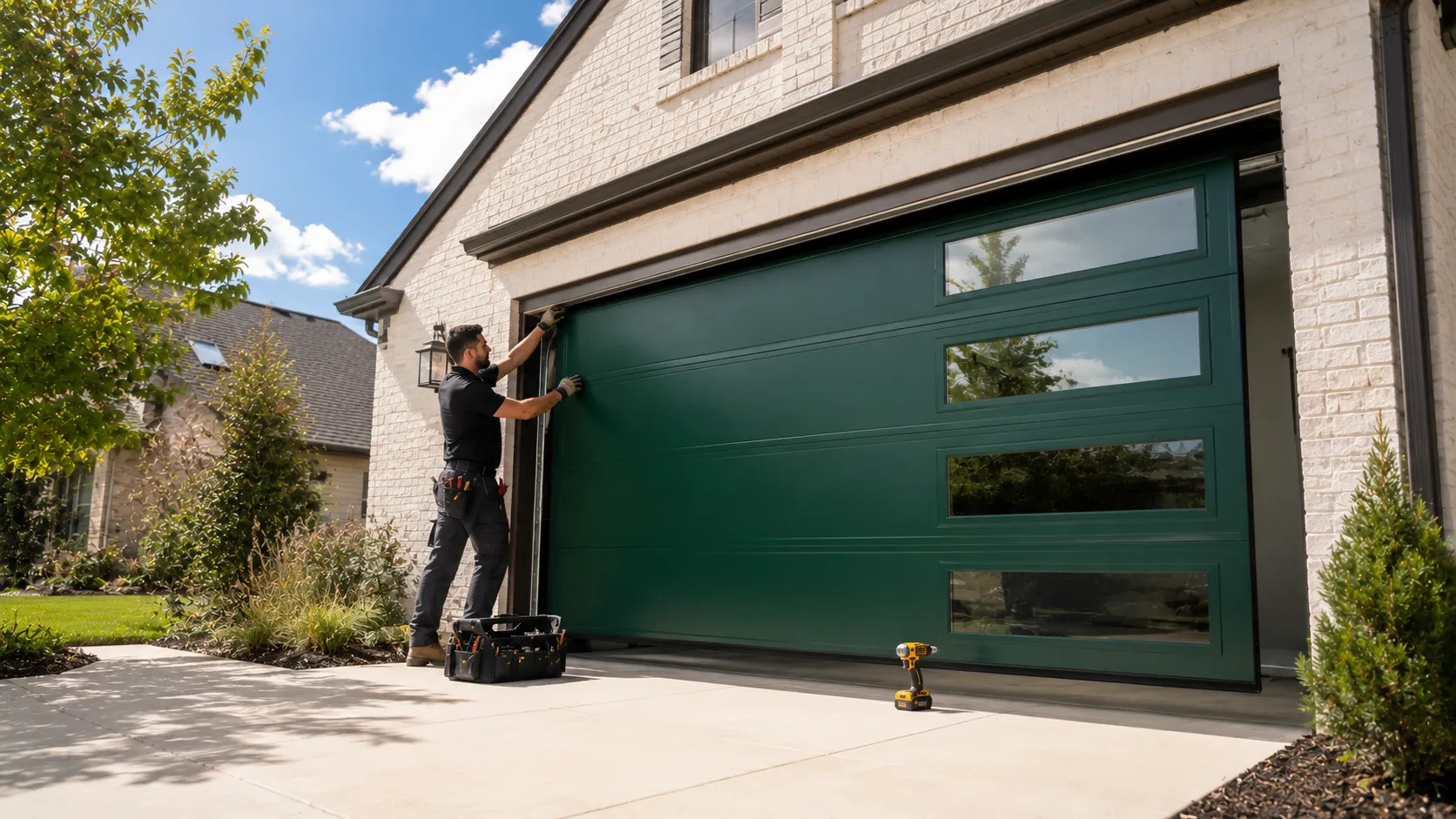
A 1985-era garage in this area was almost always built for a single-layer steel door on a torsion spring sized for that door's weight, nothing more. Homeowners come to us wanting a heavier insulated door, or a two-car opening converted to carry a modern operator with a battery backup, and the original spring, track, and header just weren't built to hold it. Rollers on doors this age are usually galvanized steel on a bare track, no nylon, no sealed bearing - loud, and slow to move once corrosion sets in. Cable drums this old are also a common failure point when a new heavier door goes on top of old hardware nobody upgraded. The other thing we see: openers original to a mid-80s build are chain-drive units with none of the wiring for today's wall controls or smart integrations, so a straight door swap without touching the opener leaves half the upgrade undone. None of this is unusual for the era - it's just not something a generic install quote accounts for.
Why This Fails Locally
This area sits in a severe-heat climate band, and a door and spring set installed in 1985 has been through roughly four decades of that heat cycling steel panels and stretching torsion springs past their rated life. Springs don't fail on a schedule - they fail on heat cycles, and a 1985 door in Vado has logged far more of those than a door installed even ten years later elsewhere in the territory. Steel panels from that era also weren't insulated the way current doors are, which matters more here than in a milder climate, since an uninsulated door radiates heat straight into an attached garage all summer. When we spec a replacement for a house this old, we size the spring for the current door weight and the current heat load, not for whatever was originally hung on the opening in the 1980s. That's the part a straight swap misses - it puts a new door on old math.
How We Fix It
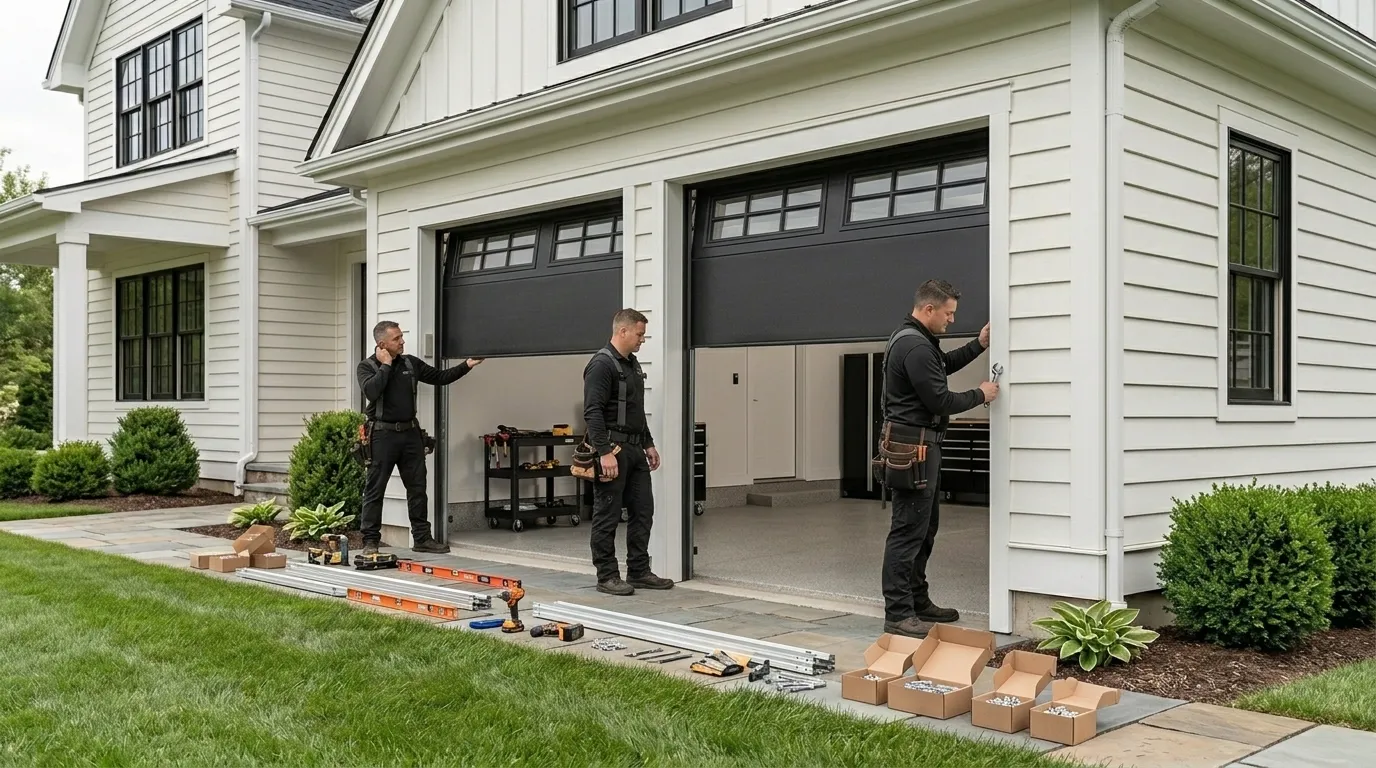
We start with a measure of the actual opening and a look at the header framing, not the box the old door came in - 1985-era framing sometimes doesn't match what a current door needs, and we'd rather catch that before delivery day. If the spring and drum are original, we replace them as part of the install rather than bolt a new door onto old torsion hardware; running new panels on decades-old springs is a callback waiting to happen. We size the new spring for the door's actual weight and the heat load this area gets, not a generic chart number. For the opener, if the household is keeping the old chain-drive unit, we tell you honestly whether it's worth reusing or whether the wiring and mount are outdated enough that a new opener makes more sense alongside the door. We won't push a full opener swap on a unit that's still working fine just to round out the invoice.