The Situation
We work across a service area with 3,349 households, of which 1,317 are owner-occupied houses. That's a lot of garages, and a lot of them share the same story: a door and opener that came with the house and has never been touched since. At a median household income of $50,000 here, most calls we get aren't from people looking to upgrade to a smart opener with a camera built in - they want to know if the part that broke is worth fixing or if the whole unit is past it.
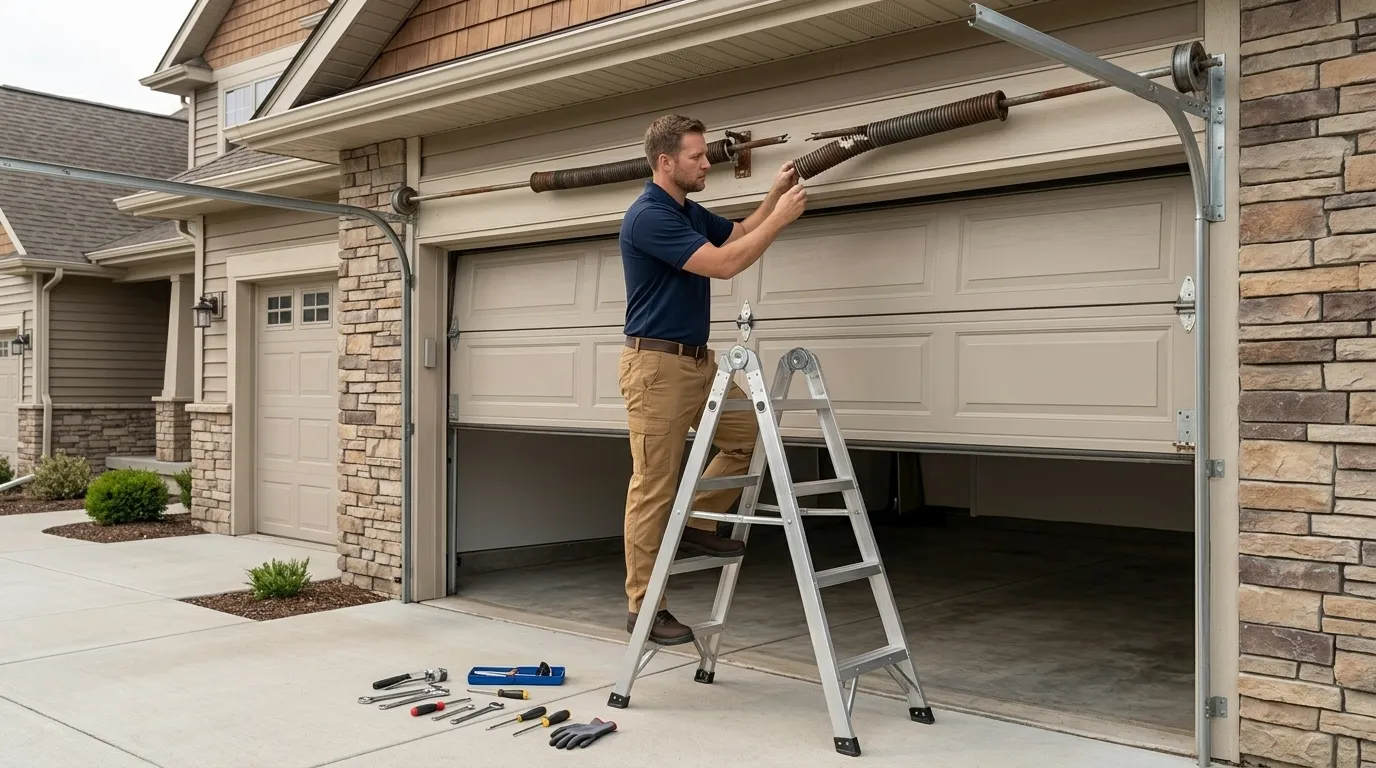
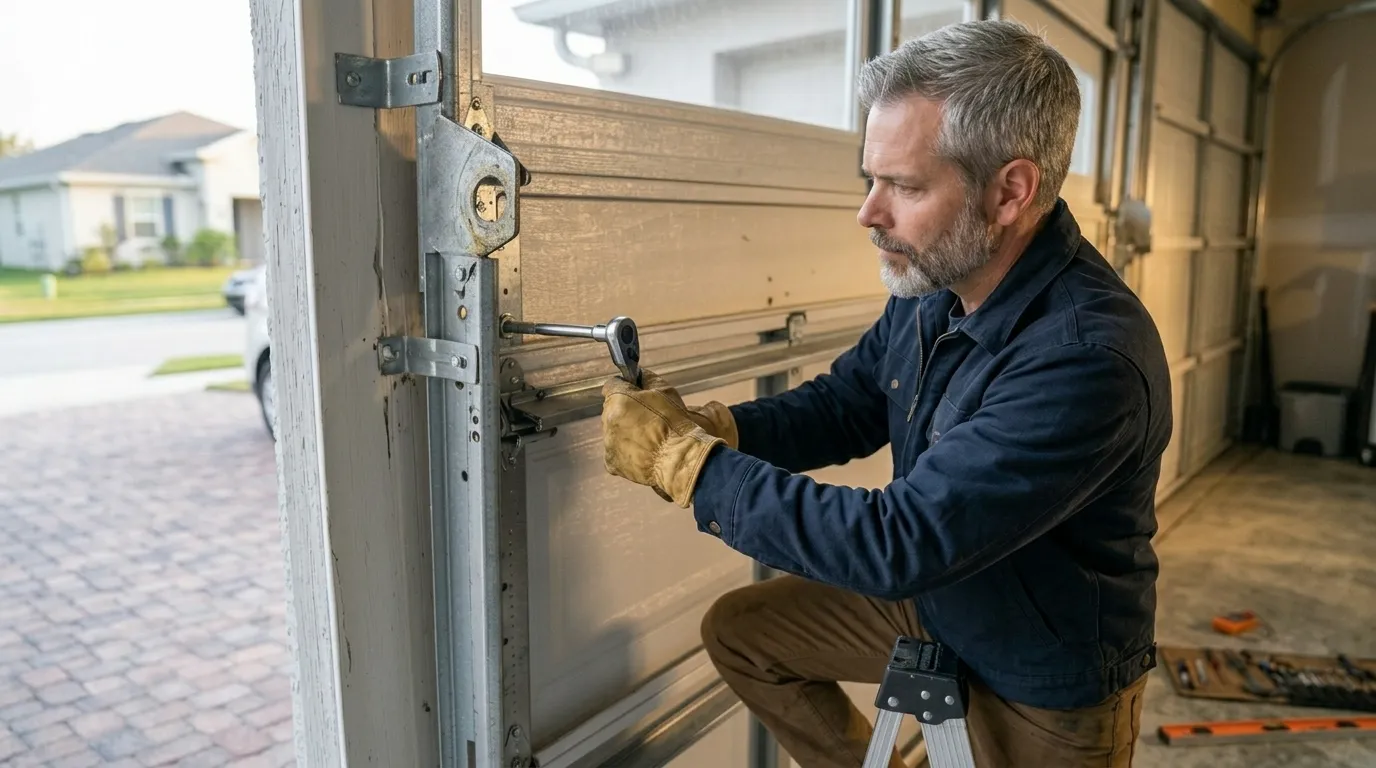
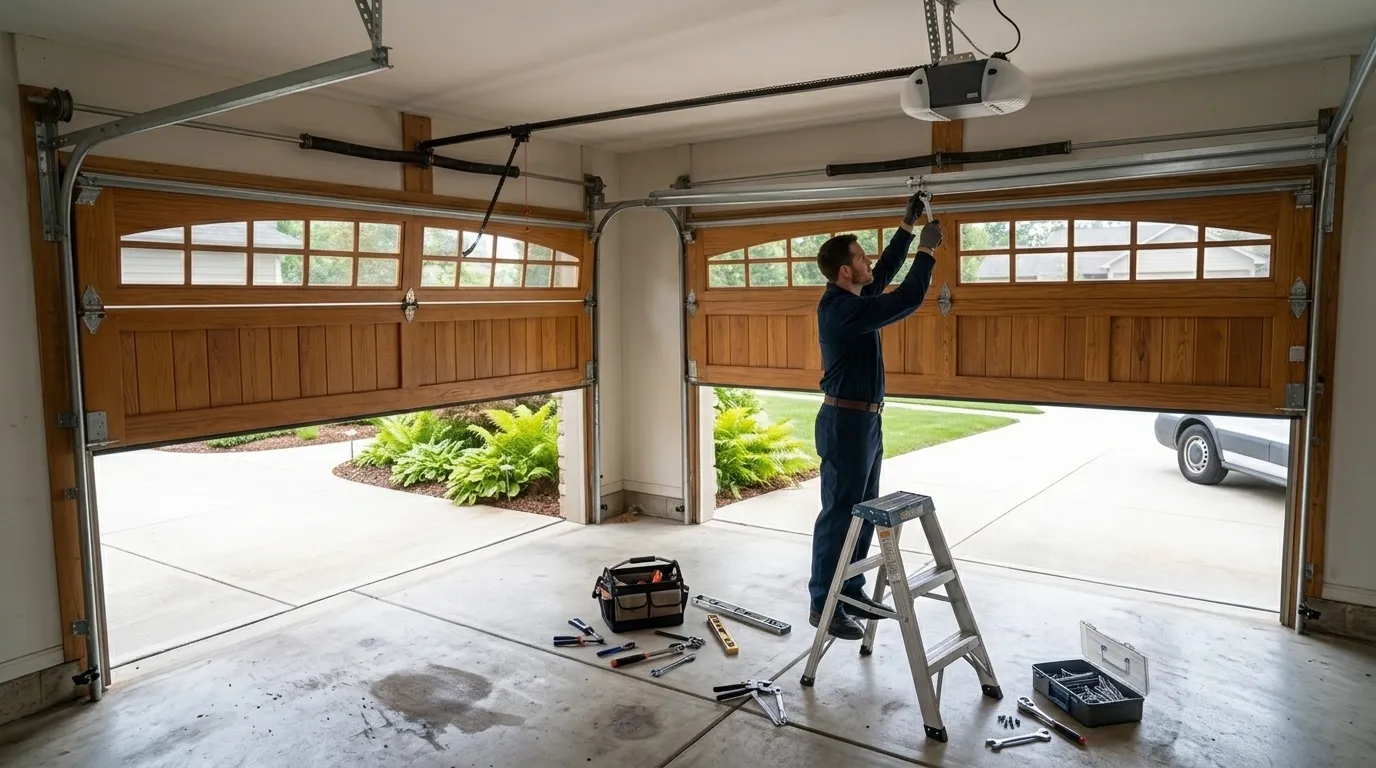
That's the real judgment call on most service visits. A single broken spring on a door that's otherwise sound is almost always a repair. A door with a bent track, a cracked panel, and an opener from the same era all failing together is a different conversation. We tell you which one you've got before we start swapping parts, because a service call should end with a working door and a bill you understood going in, not a surprise.
What the Weather Here Does to It
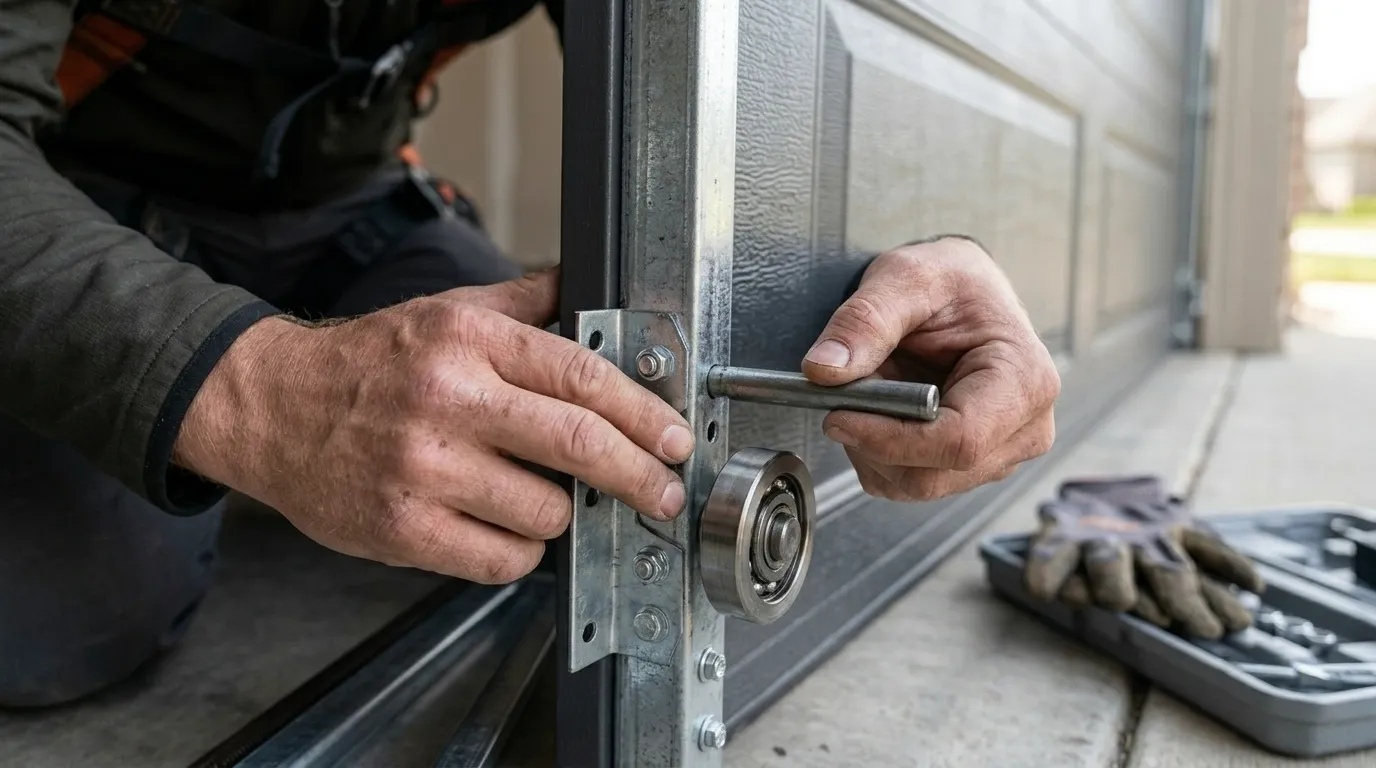
Las Cruces sits in a severe heat band, and heat is harder on a garage door system than most owners expect. It's not the door panel that gives out first - it's the lubricant. Grease on rollers and the opener's drive screw or chain breaks down faster at sustained high temperatures, which means a door that ran quiet in spring starts grinding by mid-summer. Opener circuit boards mounted on an unshaded garage ceiling take a beating too; heat is one of the more common reasons a logic board fails outright rather than just acting glitchy.
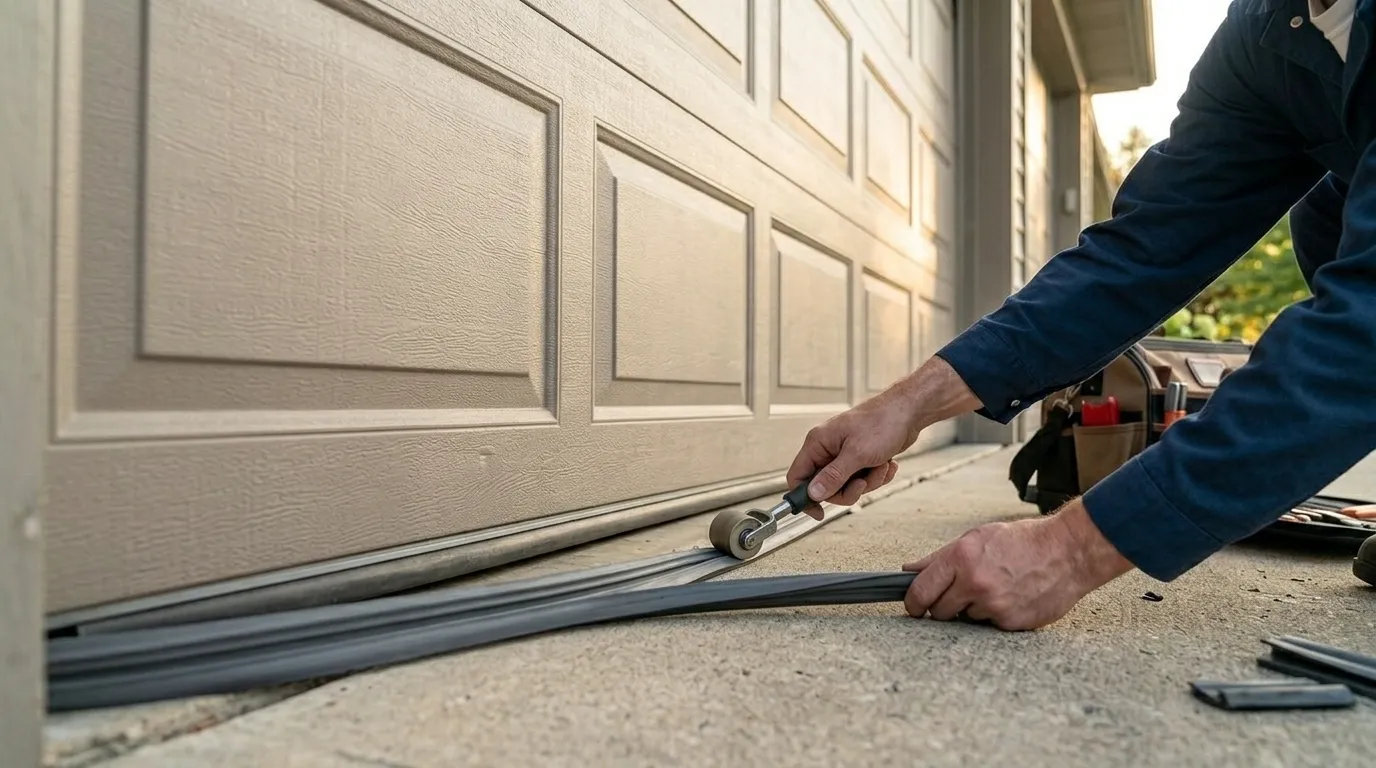
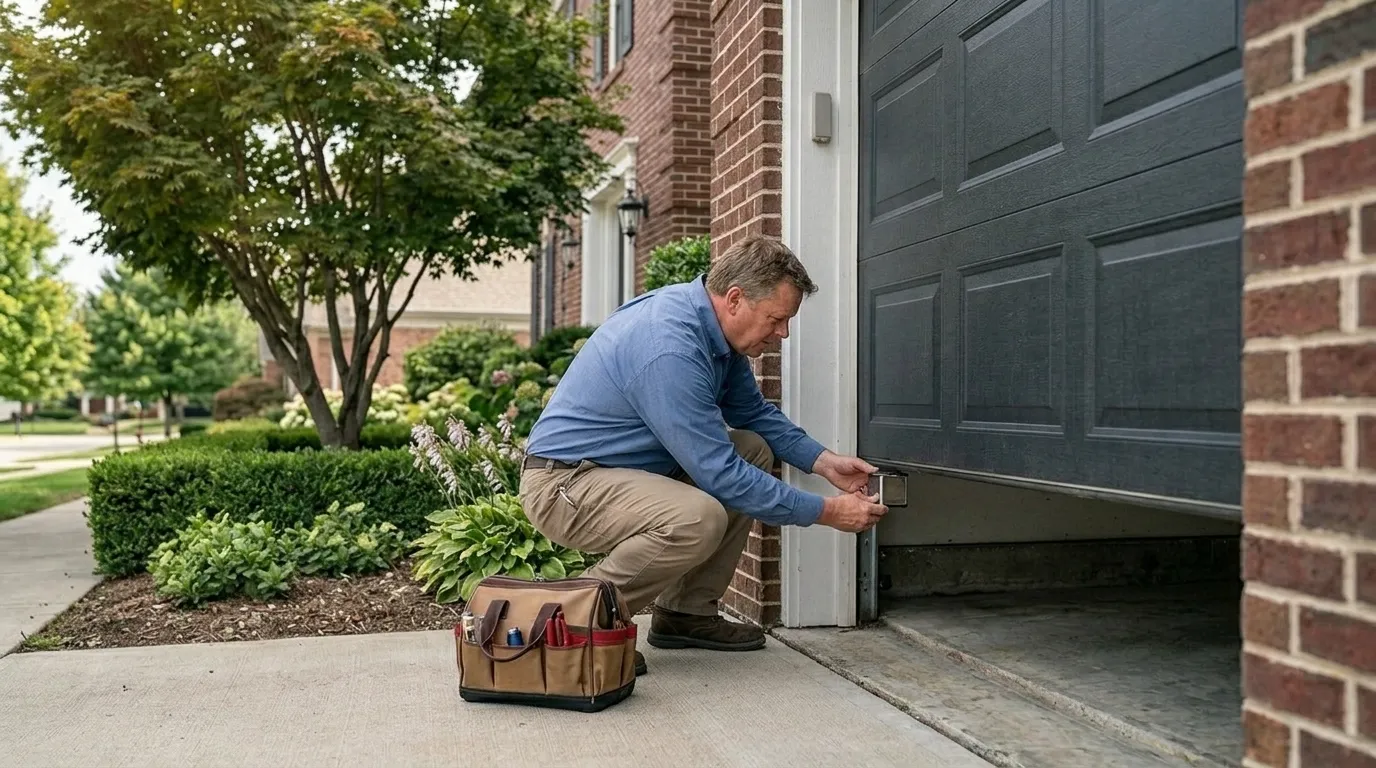
Weatherstripping along the bottom of the door also hardens and cracks under repeated heat exposure, which lets in dust and lets conditioned garage space bleed out. None of this is dramatic - no ice, no snow load, no freeze-thaw cracking like other climates deal with - but it's steady wear that adds up faster here than in a milder spot. We check lubrication and the weather seal on nearly every service call for that reason, even when it's not what the customer called about.