Time on the Job
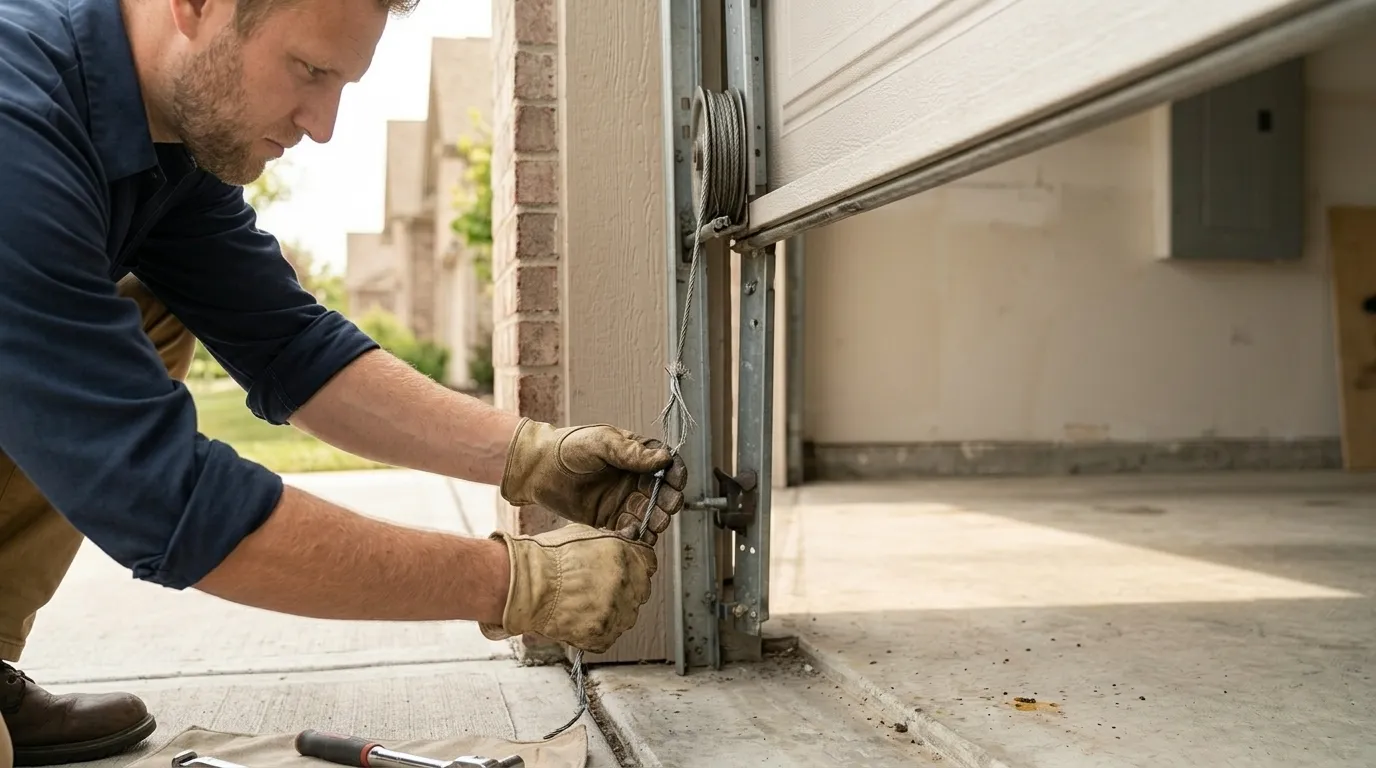
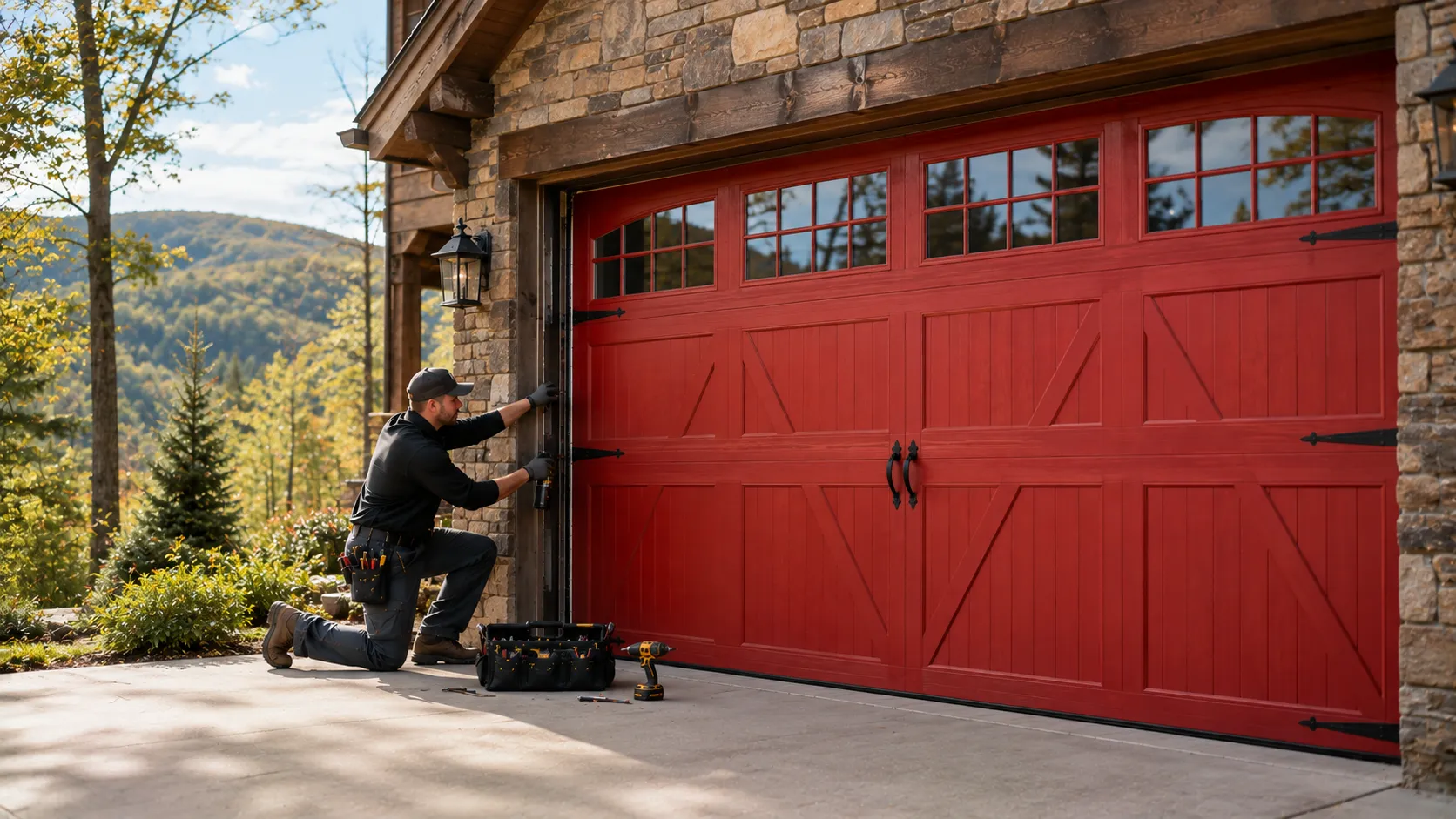
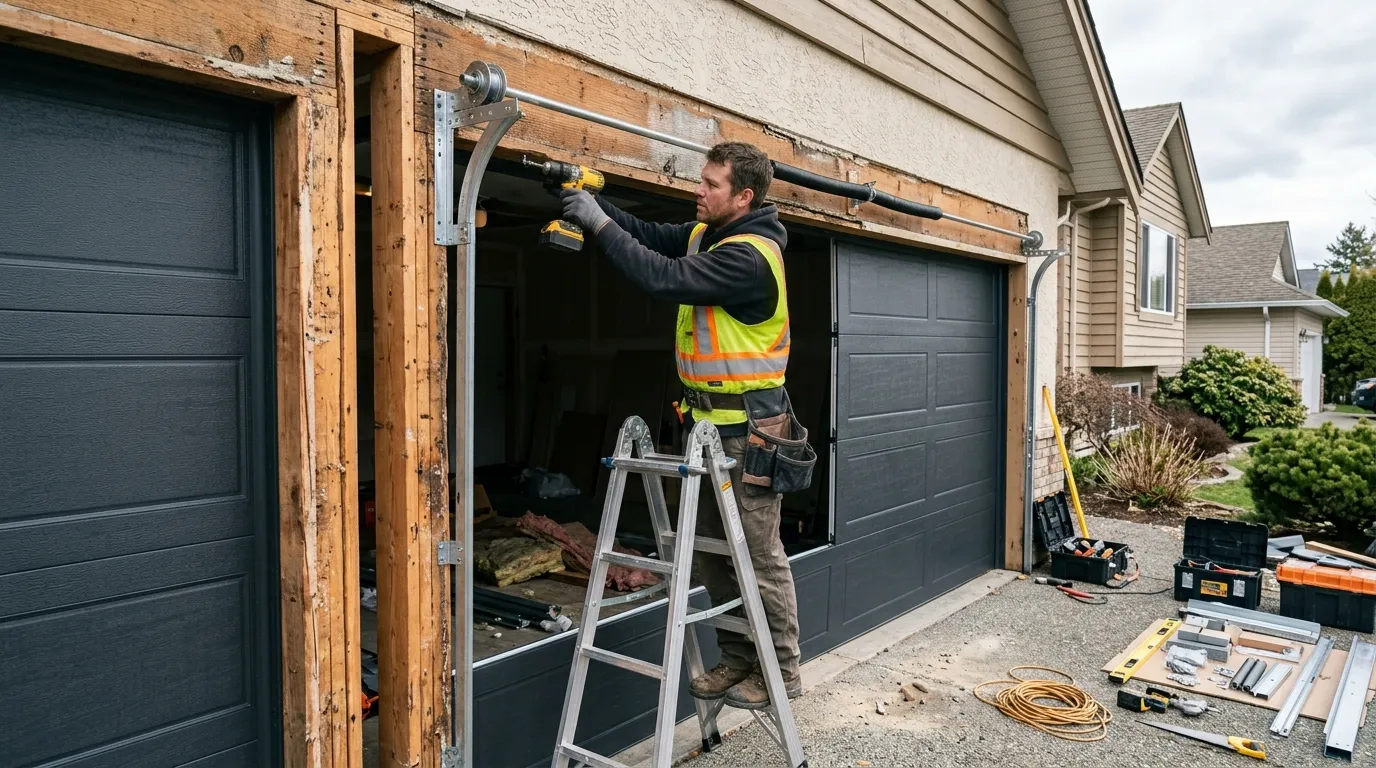
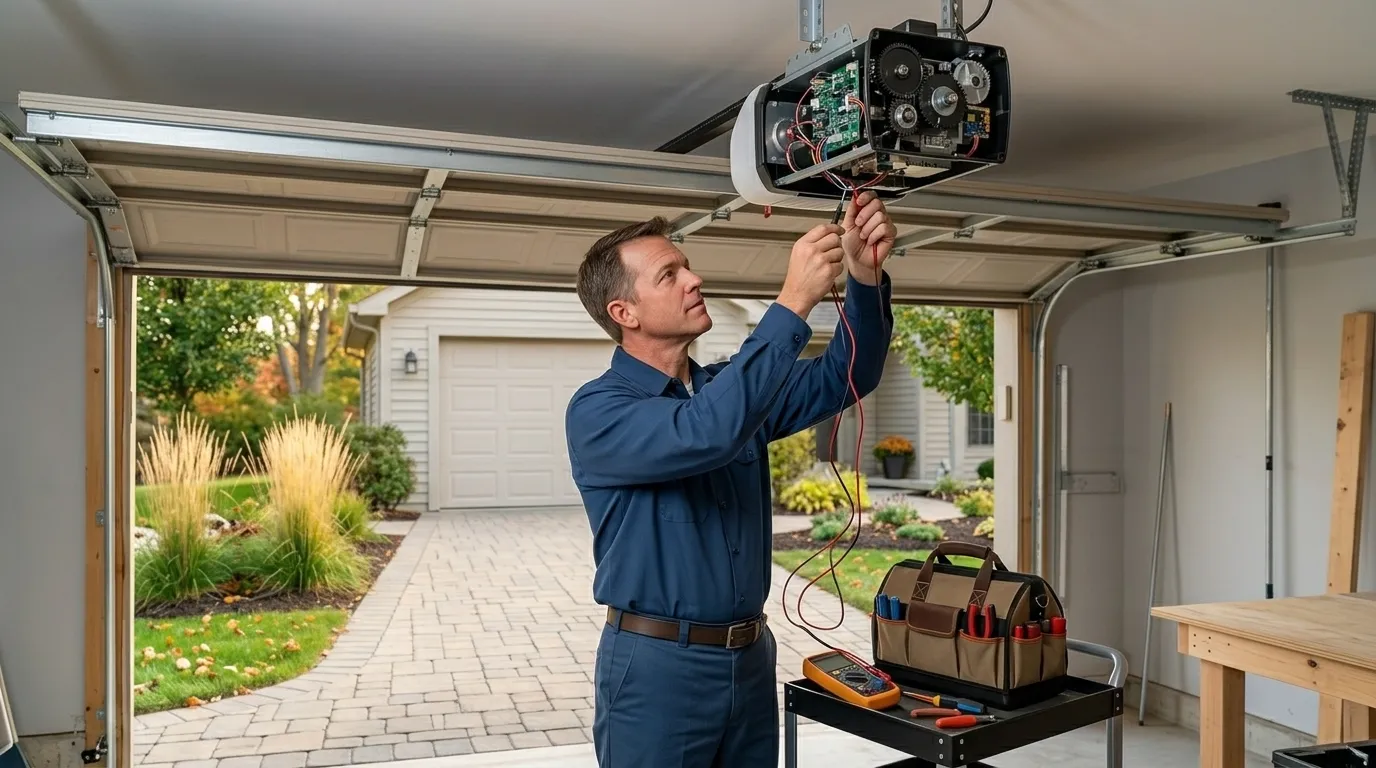
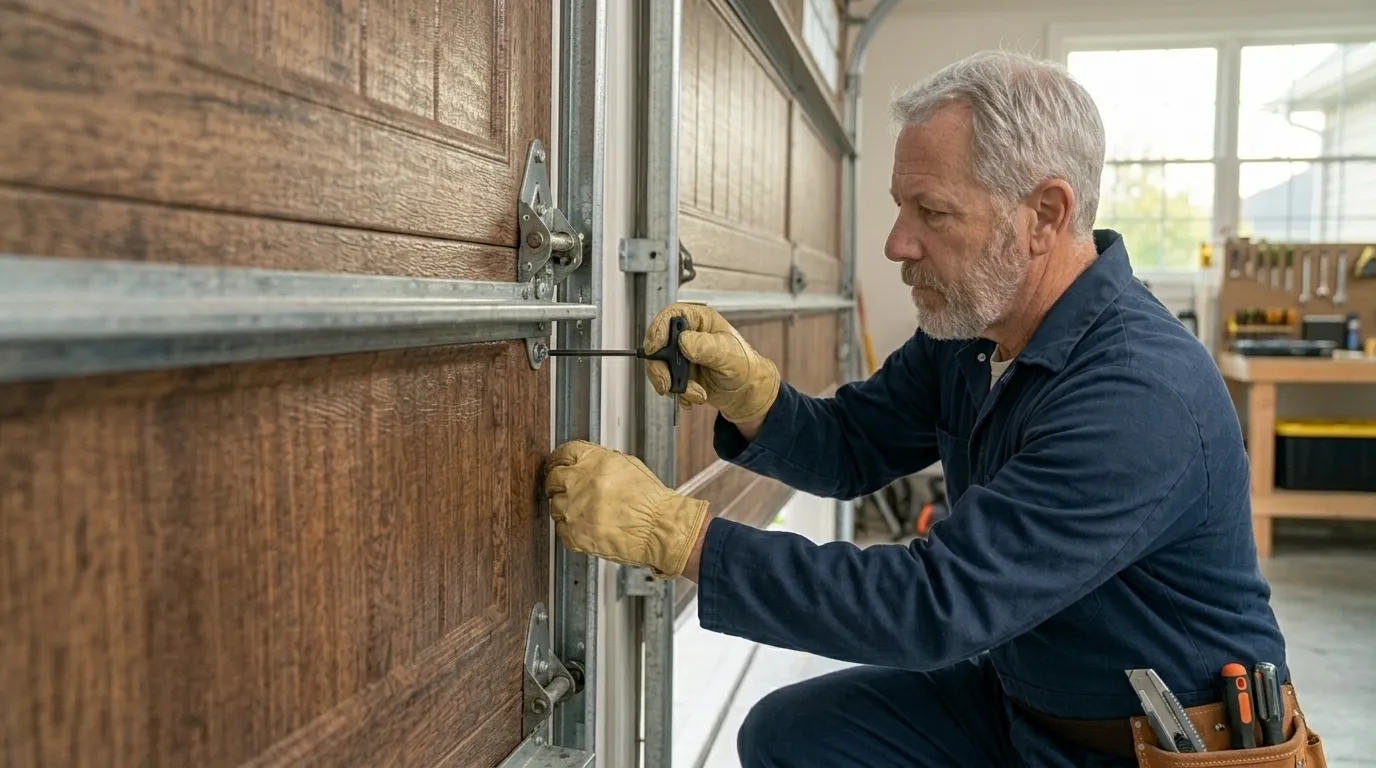
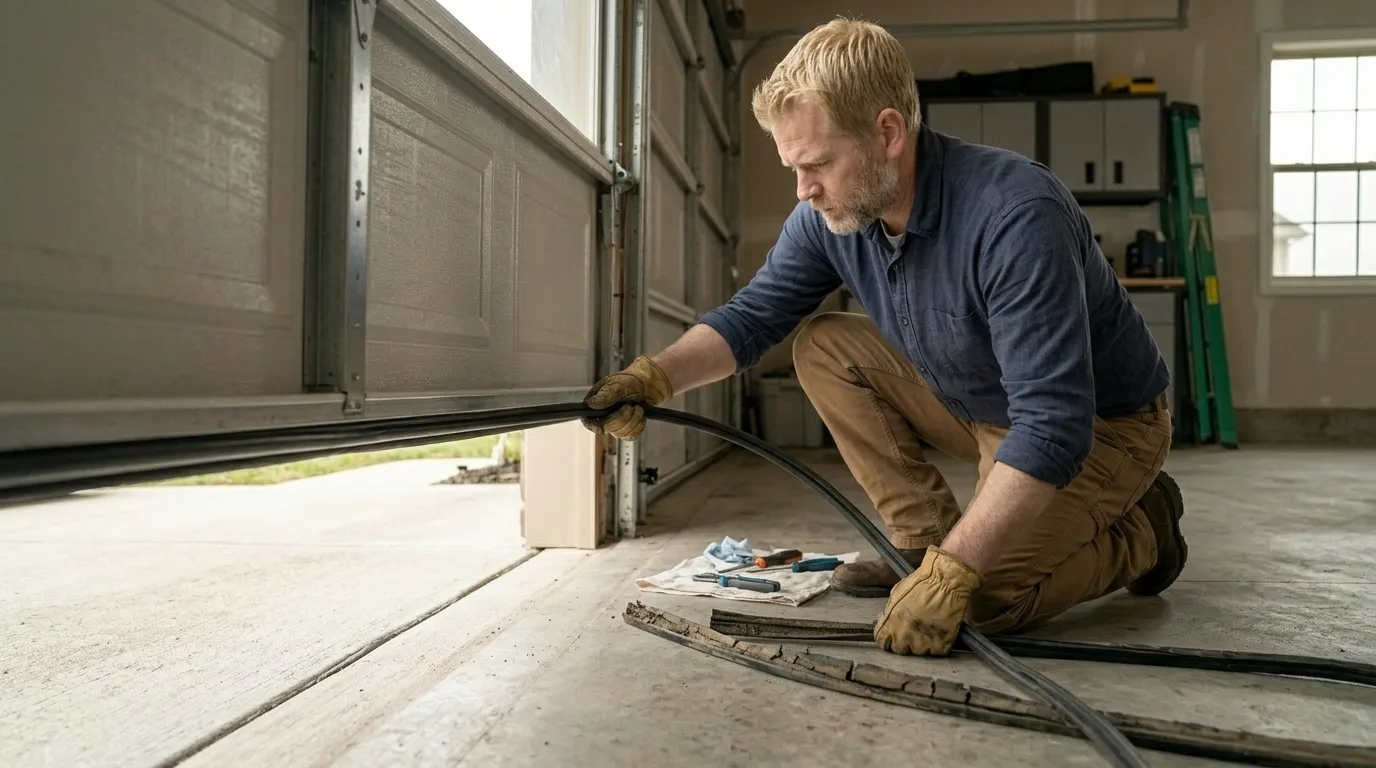
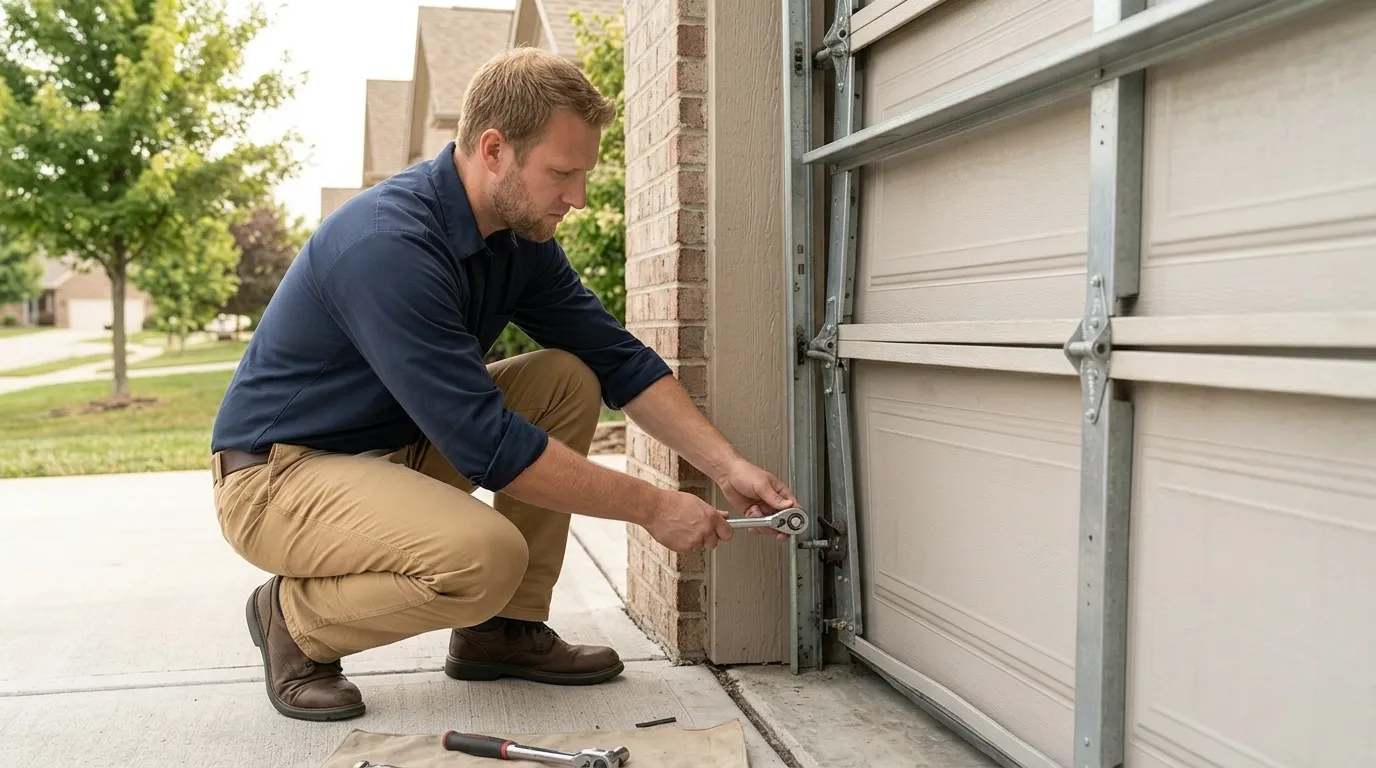
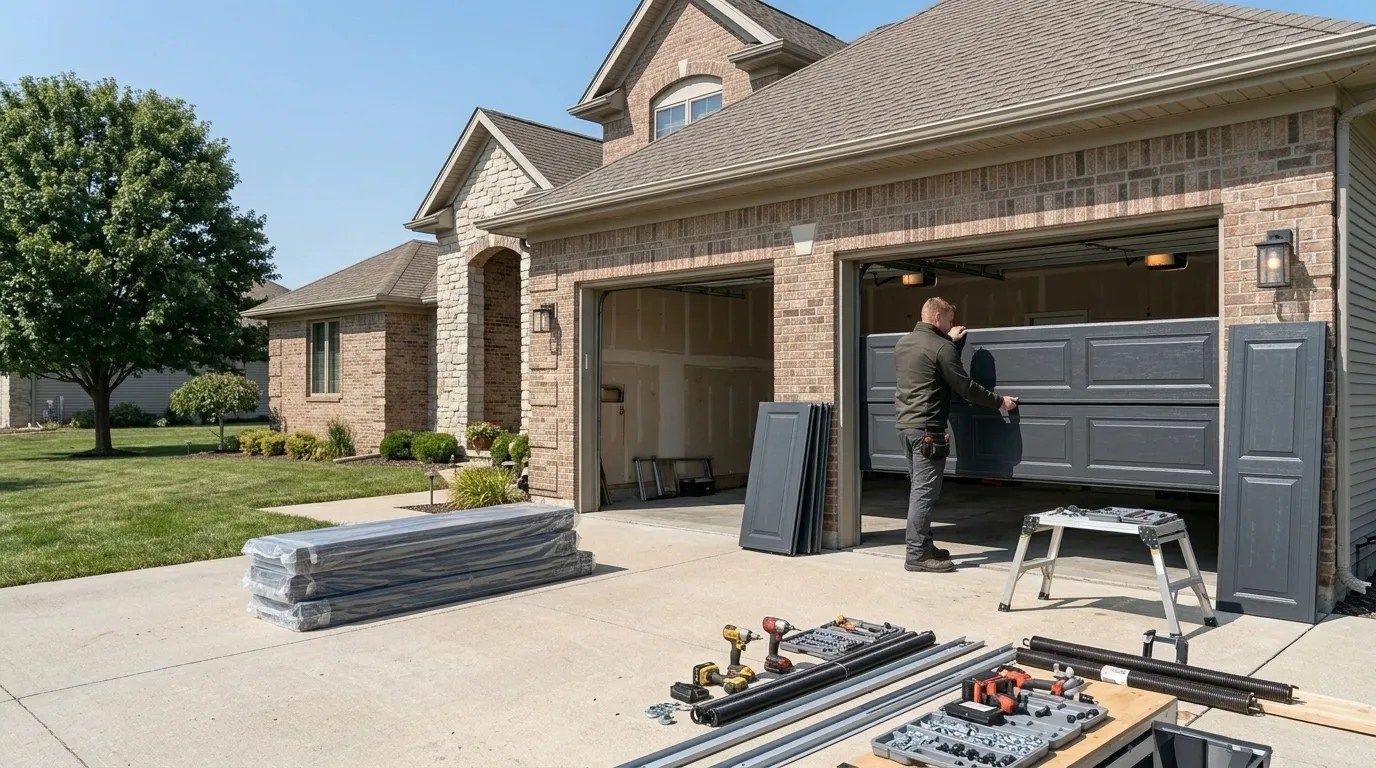
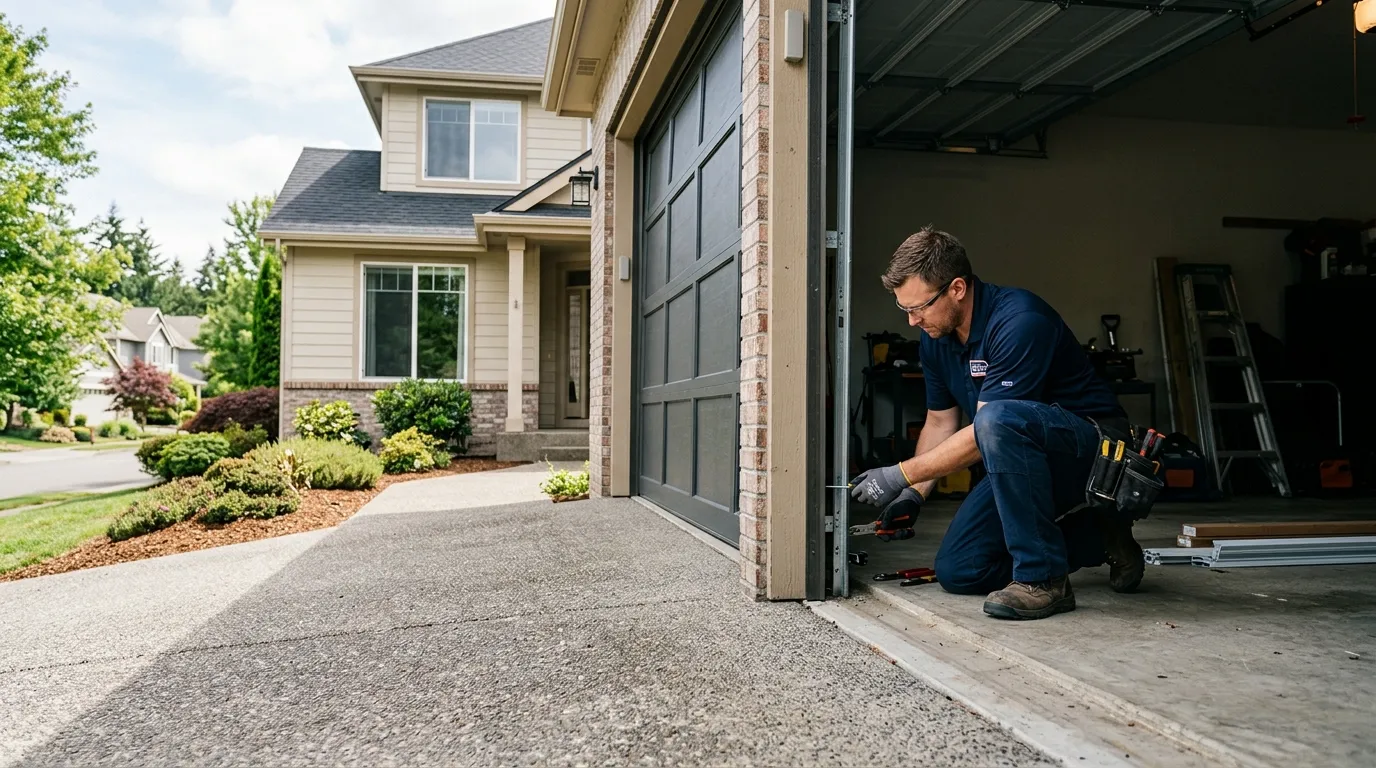
A straightforward spring replacement or roller swap is usually a same-visit job once we're diagnosing the right part. Cable and drum work takes a bit longer because the door has to come down safely first. Where it slows down is parts. Original hardware from the 1969-2003 building era isn't always something a supplier keeps on the shelf anymore - a specific opener gear kit or an odd-sized panel section can take longer to source than the labor itself. We'll tell you straight if that's the situation rather than quote a job we can't actually finish that day. The honest limitation here: if your door is original to a house built in the mid-1980s, and the track hardware is proprietary to a manufacturer that's since changed its parts line, we may be looking at a full track or opener swap instead of a patch, simply because the exact replacement part doesn't exist anymore. That's not us upselling - it's what the parts market looks like for hardware this age.
Why This Fails Locally
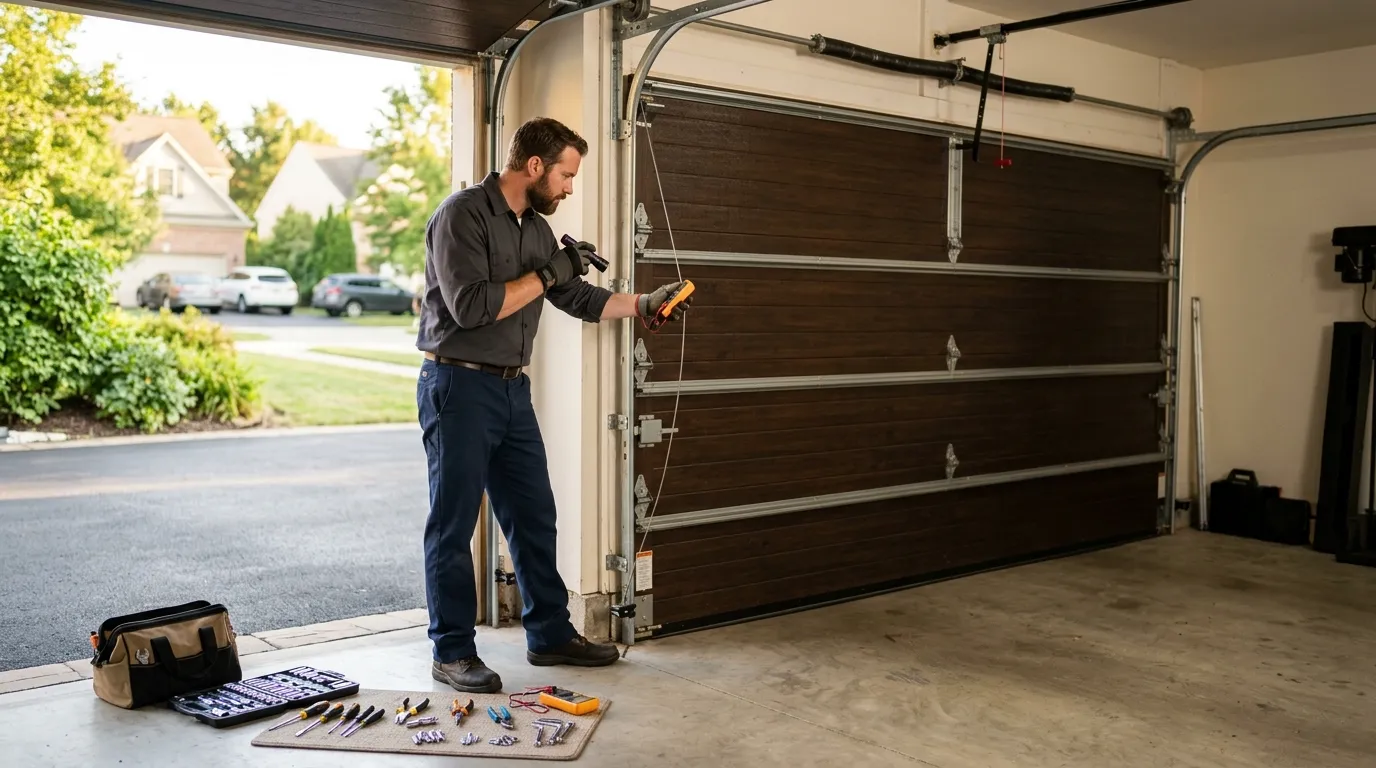
Housing across the service area mostly went up between 1969 and 2003, with the median build year landing around 1986, and the seven named neighborhoods we work in are almost all 1980s and 90s construction. That means a huge share of garage doors here are original equipment - same torsion spring, same opener, same steel track that shipped with the house. Springs are rated for a set number of open-close cycles, and a door installed in 1986 has been through a lot of them by now. Add the climate: this area sits in a severe heat band, and that heat does two things badly for garage doors. It dries out lubricant on rollers and hinges faster than a milder climate would, so metal-on-metal wear speeds up. It also expands and contracts steel tracks and panels through the day, which loosens bolts and bends alignment over years of that cycle. With roughly 3,349 households and 1,317 owner-occupied houses in the service area, and a median household income near $50,000, a lot of homeowners are running original hardware well past its expected working life because a working door doesn't get replaced until it stops working. That's the pattern we see.