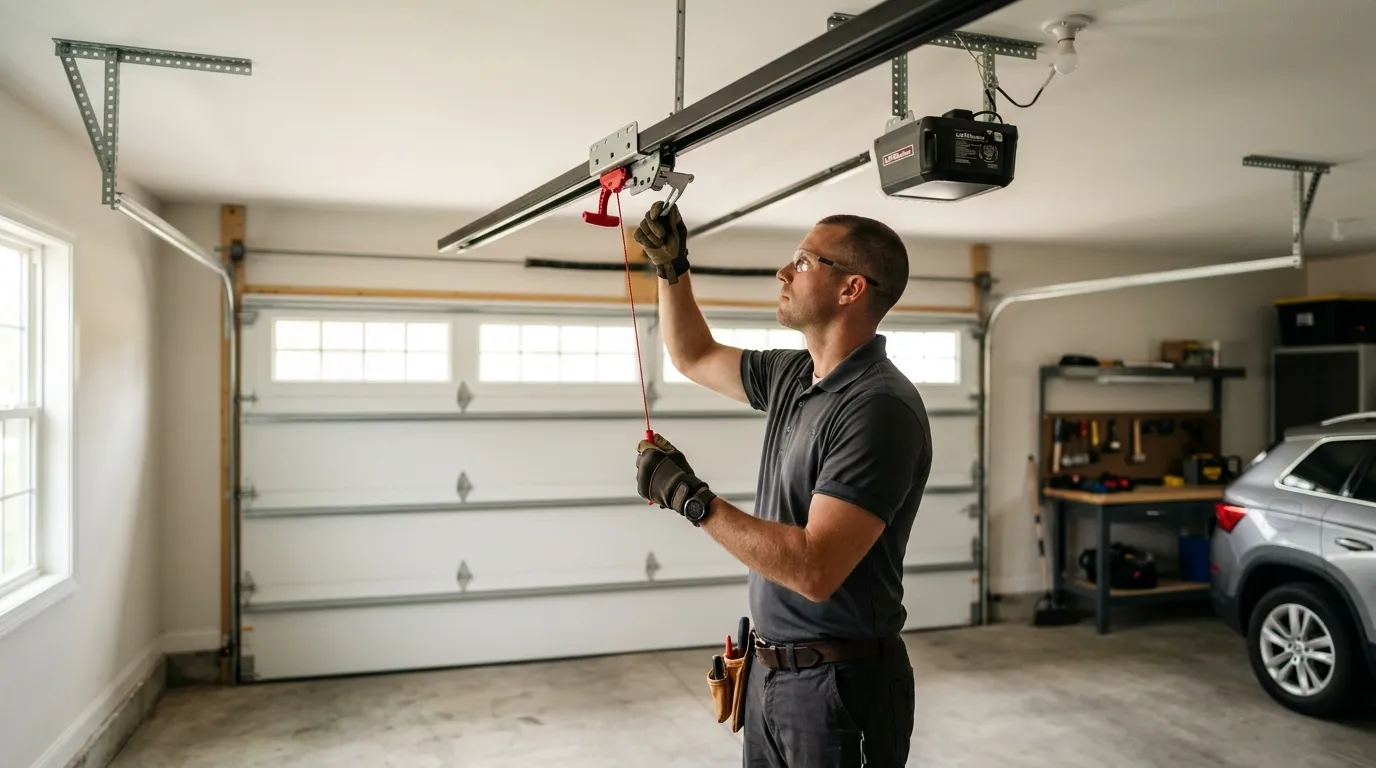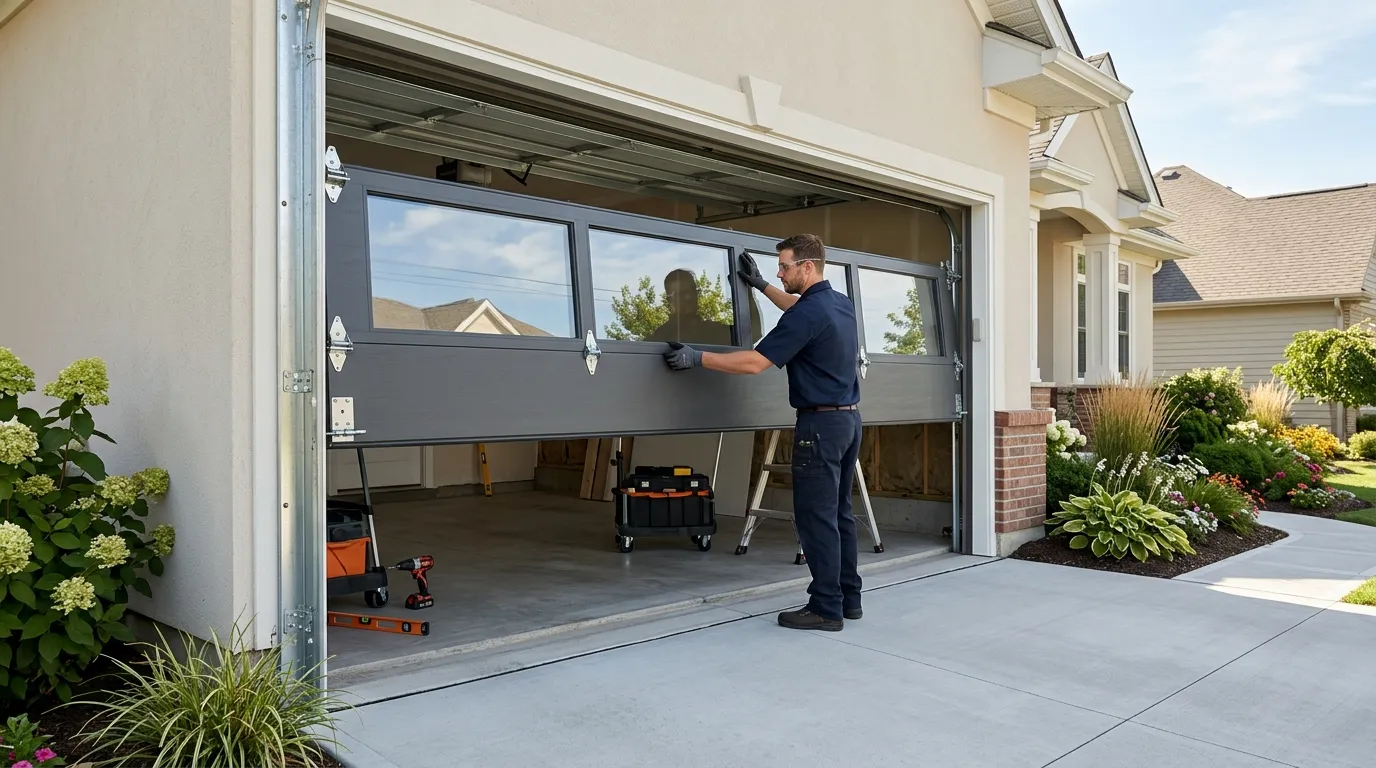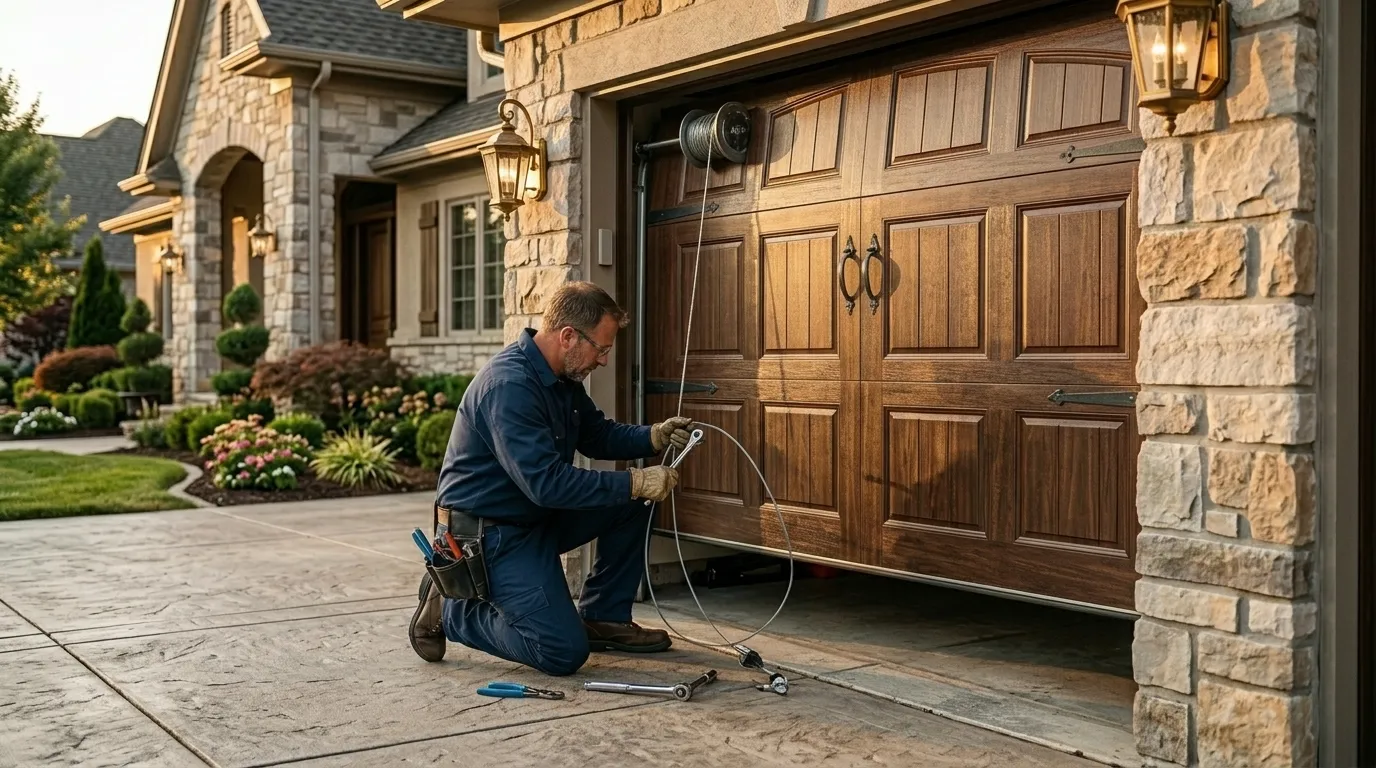
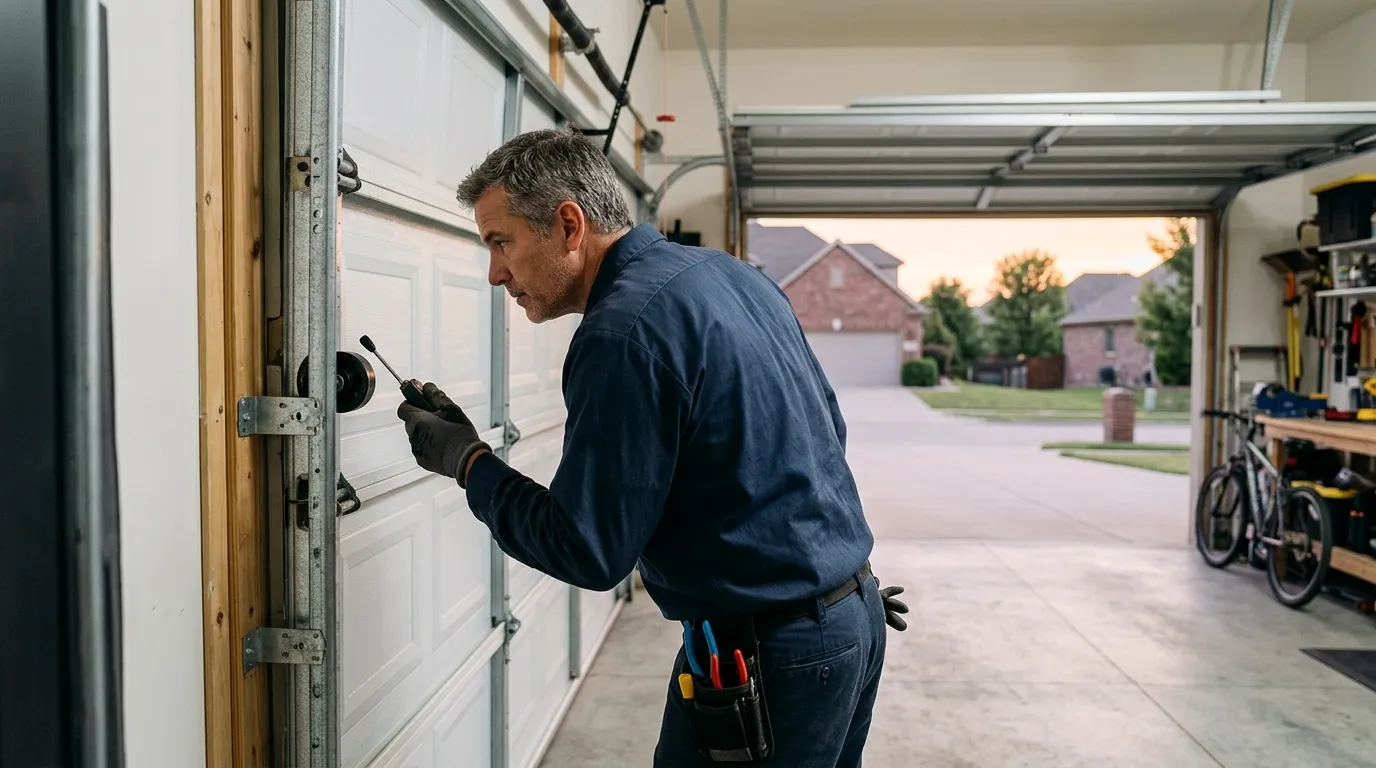
The Situation
Las Cruces has roughly 3,349 households in the areas we cover, and about 1,317 of those are owner-occupied houses - a mix that skews toward long-term ownership rather than rental turnover. That matters for garage doors because it means a lot of these units have sat under the same owner's eye for twenty, thirty years, getting used the way a family actually uses a garage door: several times a day, groceries and bikes and the second car, not just show.
The housing itself, per the record, is mostly 1980s and 90s construction spread across seven named areas of town. That generation of build favored simpler steel sections and torsion spring setups over the newer insulated composite panels you see on new construction now. If your house falls in that window, the door you have is probably a known quantity to a tech who's worked this town - not a mystery import needing special-order parts, but also not something that tolerates neglect the way a five-year-old door does.
What the Weather Here Does to It
The climate classification for this area is severe heat, and that's the single biggest factor in how these older doors age. Steel panels expand and contract through the day, springs lose temper faster under sustained high heat than they would in a mild climate, and lubricant on rollers and hinges cooks off quicker than the label suggests. On a door built in the 1980s or 90s, that's forty-plus years of heat cycling on hardware that wasn't engineered with today's climate data in front of it.
What we see most often isn't a single dramatic failure - it's cumulative fatigue. A spring that's been through decades of Las Cruces summers snaps with less warning than one in a cooler region. Nylon rollers on an older track get brittle and crack rather than wear smooth. None of this means panic; it means the maintenance schedule for a house here should be tighter than what a general internet guide recommends, because the guide wasn't written for this heat band.