Time on the Job
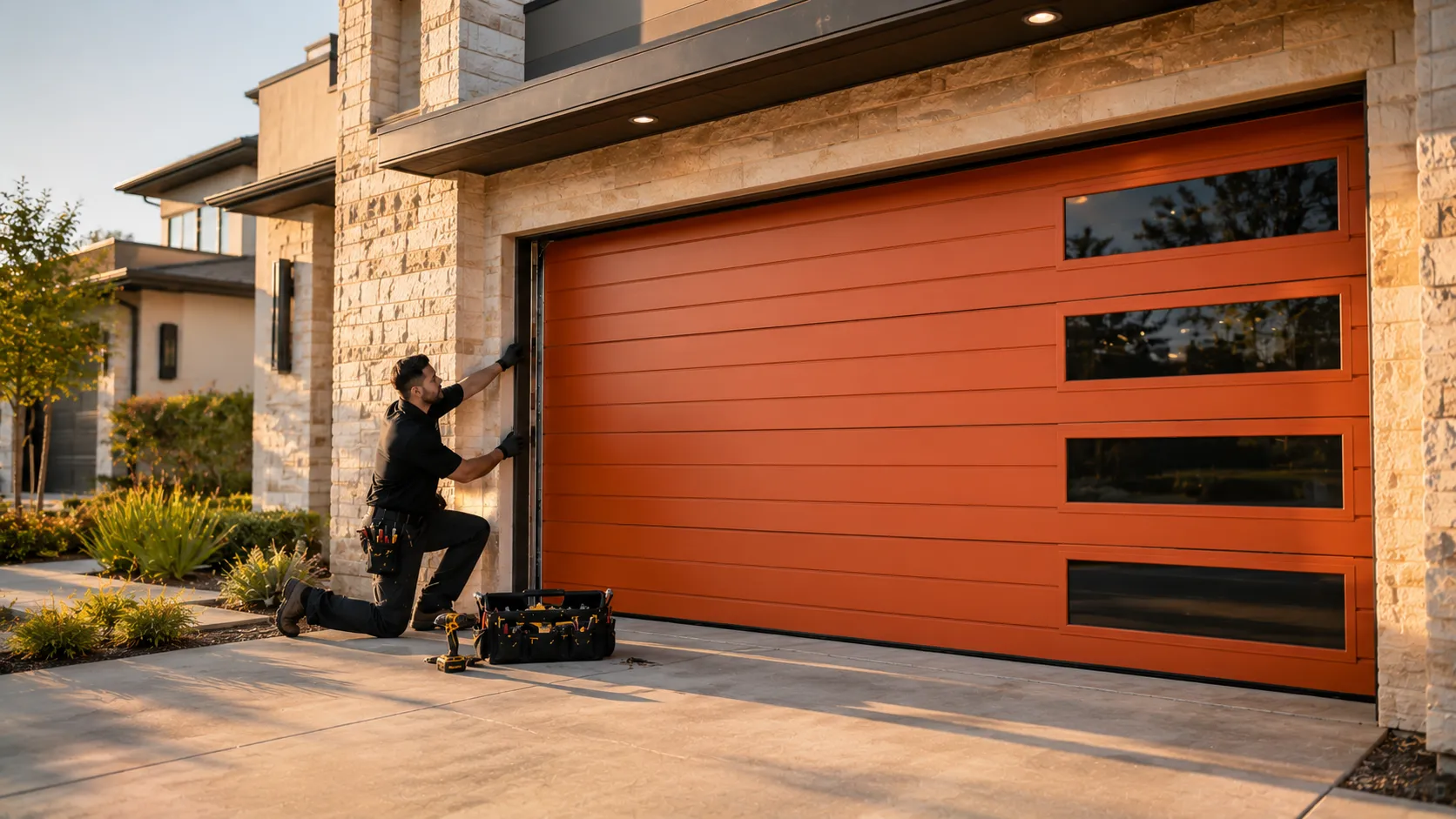
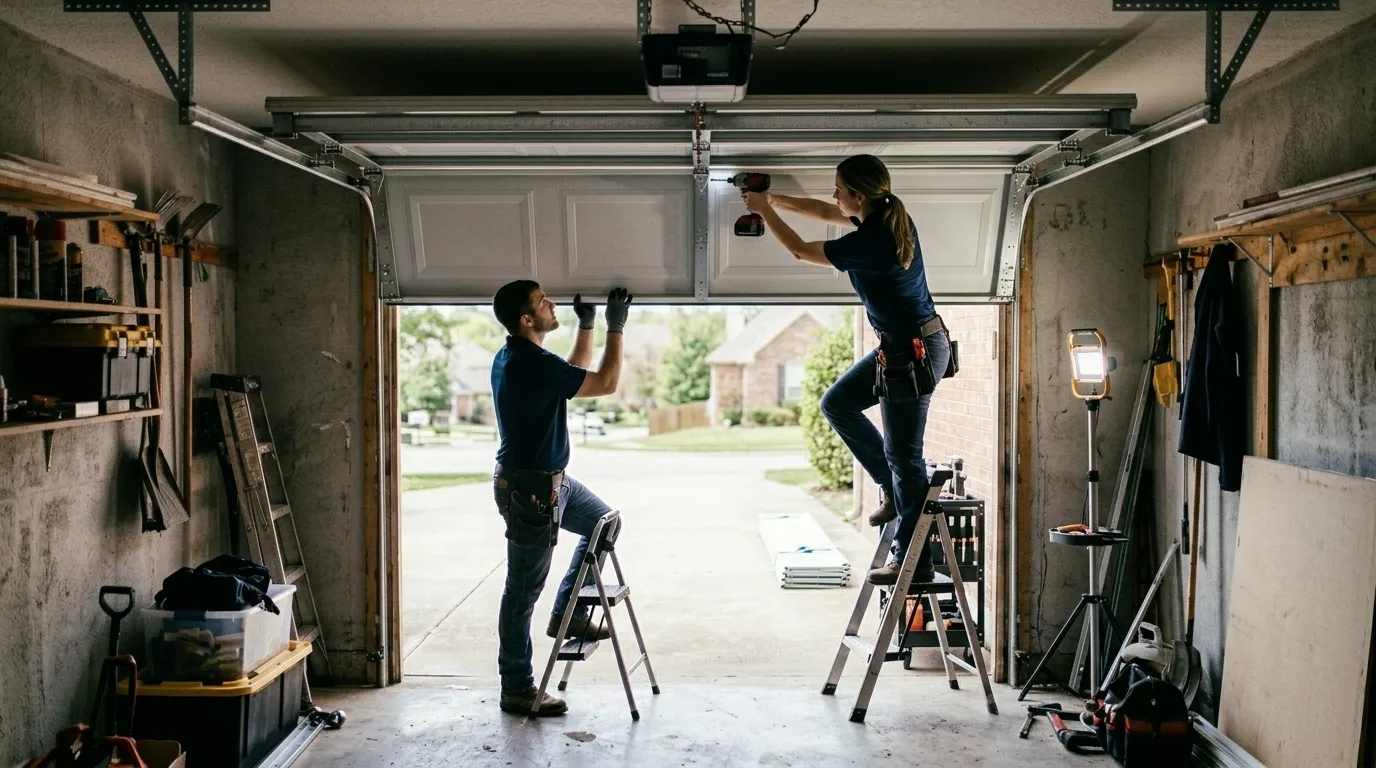
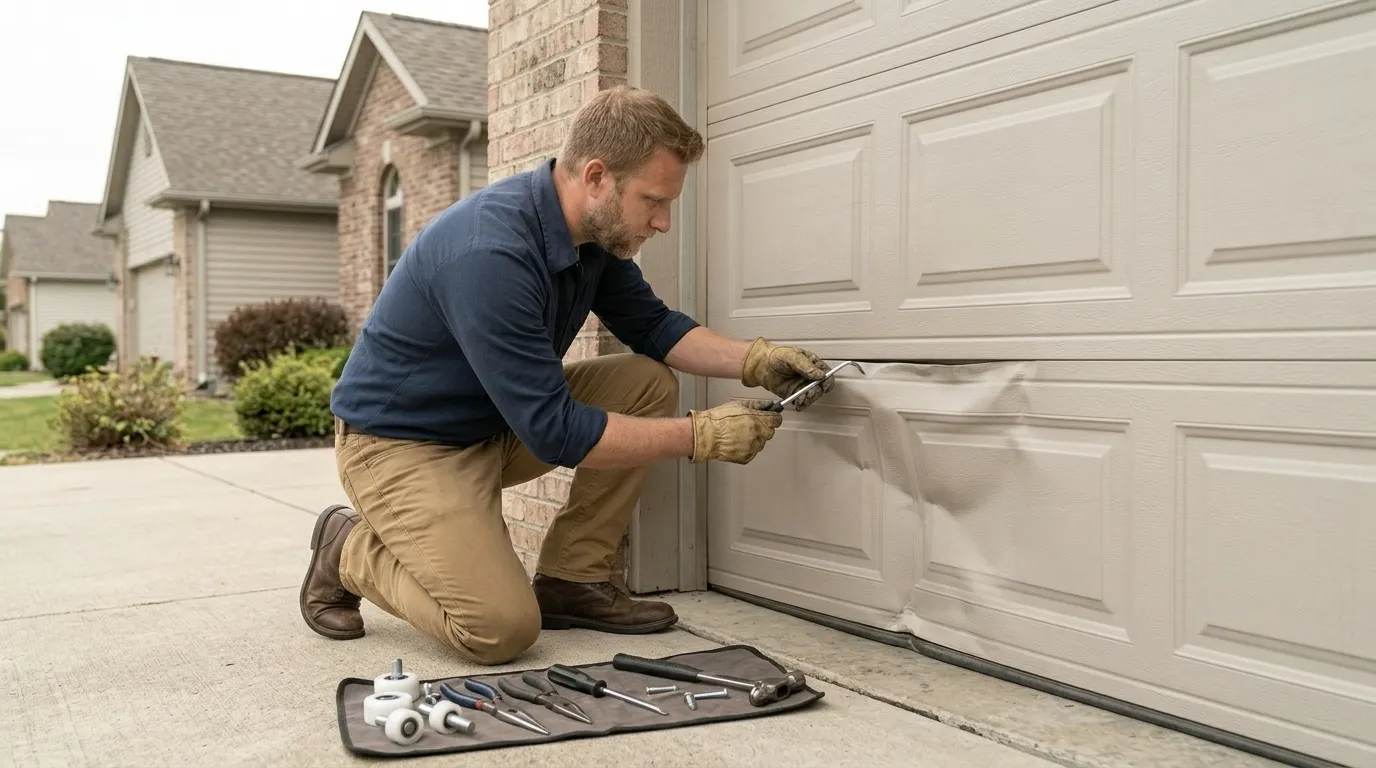
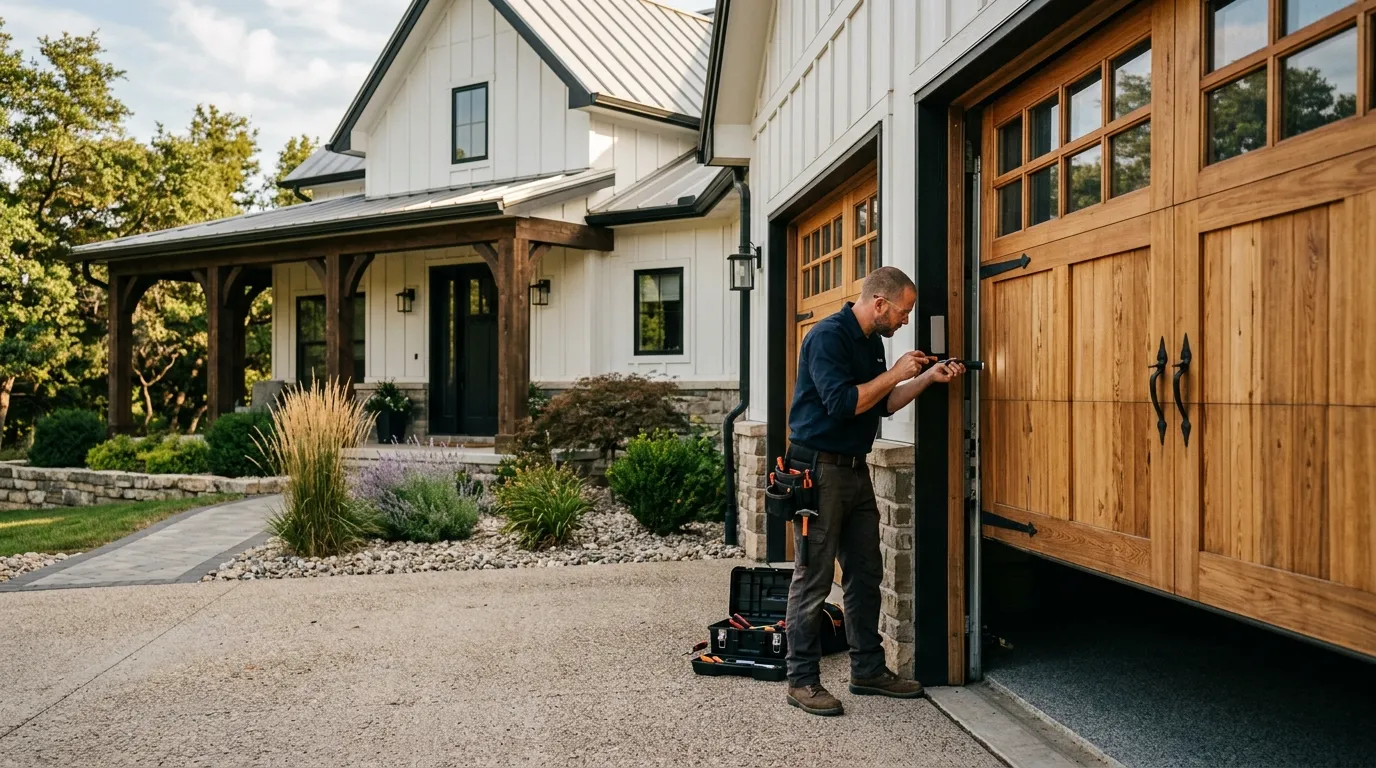
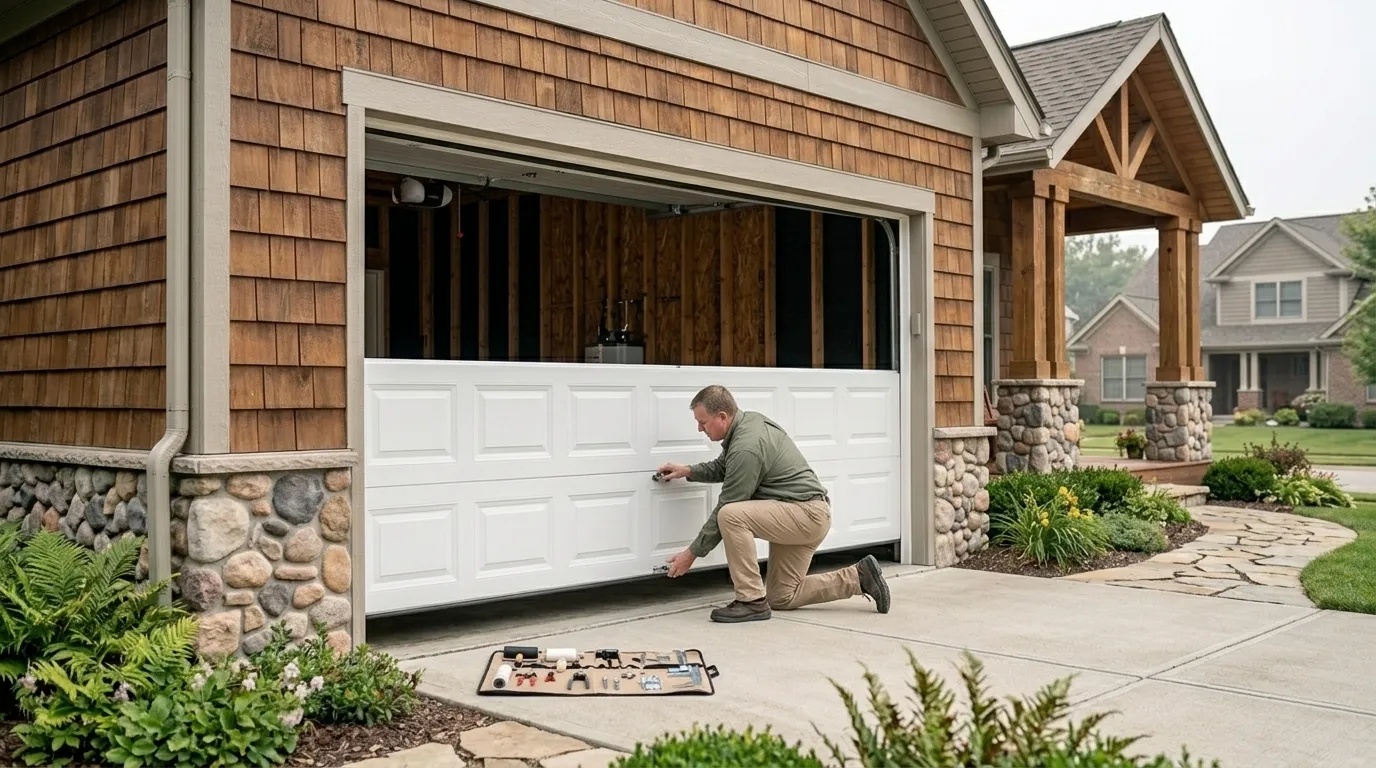
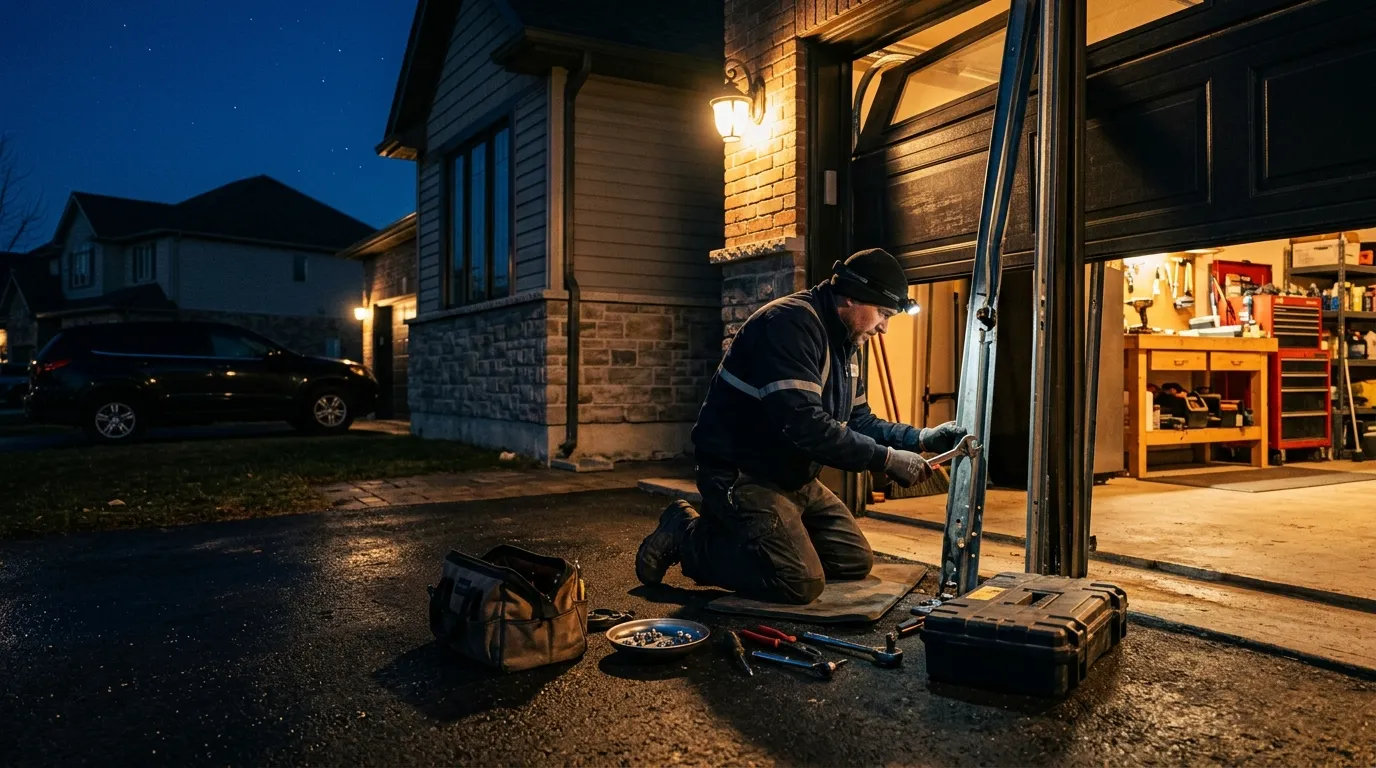
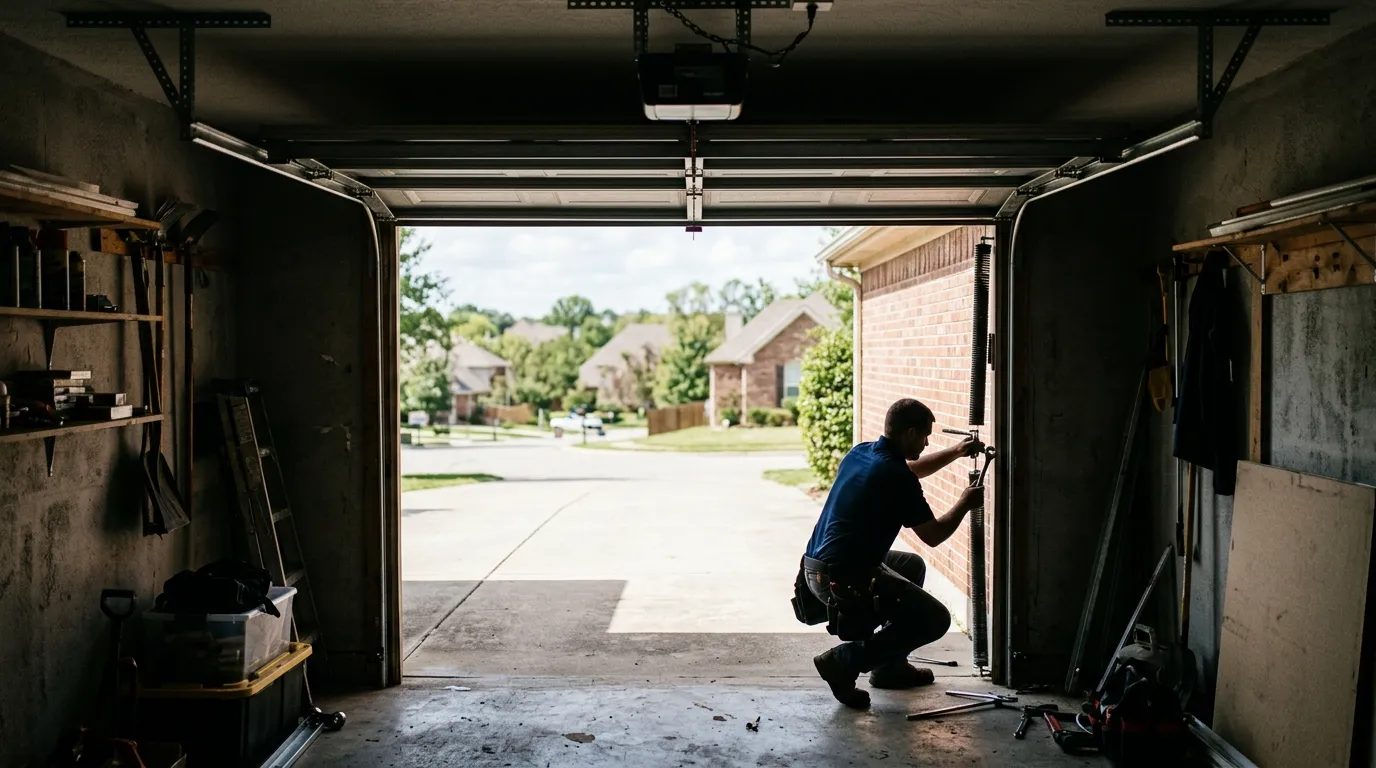
A spring replacement or a roller-and-cable tune-up is usually a same-visit job - we're in and out, door balanced and quiet again. What takes longer is when a door from the 80s or early 90s needs a part that isn't a stock item anymore. Torsion springs and standard rollers we carry on the truck. A specific hinge, a particular track bracket, or hardware sized for an original builder-grade door can mean a short order wait before we finish the job. That's the honest part: we won't pretend every older door repairs in one trip, and we'd rather tell you that up front than have you wait around for a part that has to come in. Openers are usually a straightforward swap regardless of the door's age, since drive systems have stayed fairly standardized. Where we spend the most time is diagnosis - a door that's been compensating for a bad spring or a bent track for months can mask more than one problem, and it's worth finding all of them before closing out the ticket rather than coming back in six weeks for the next symptom.
Why This Fails Locally
Housing in the Las Cruces service area was mostly built between 1969 and 2003, with the median landing around 1986, and the seven named areas we cover are dominated by that same 1980s-and-90s stock. That matters for garage doors because it means a huge share of the doors and openers out there are original equipment pushing three decades or more past a normal service life - springs, hinges, and drive gears built to specs from a different era. Layer on the climate: this area sits in a severe-heat band, and heat is hard on garage door hardware in ways cold weather isn't. It bakes the lubricant out of torsion springs faster, dries and cracks nylon rollers, and makes steel tracks expand just enough to bind against rollers that have already lost their grease. A door built in 1986 and never resprung has had close to forty summers of that cycle. Put an aging original spring on a door that's spent decades absorbing that kind of heat, and you get exactly the failure pattern we see on repeat calls: sudden snaps on the hottest days of the year, not a gradual slowdown you'd notice coming.